/media/ic-dental/images/2026/03/2188bd29915a4501983011678565696c.webp)
/media/ic-dental/images/2026/06/How-to-Whiten-Teeth.webp)
Why Teeth Change Color: Common Causes of Yellowing
Yellow teeth, and most people assume you're not brushing enough. Half the story. Most of the time, it's what's clinging to your enamel. Or what's happening underneath. Honestly, I've had patients, brushing three times a day, flossing like clockwork. And still, the smile looks dull. They can't figure out why, no matter how hard they try. It's nearly always one of two things. Stains building up on enamel. Or dentin exposure.
Truth is, external stains don't just appear. They grab onto enamel over time. Coffee (red wine)black tea, dark sodas. The obvious offenders. But soy sauce (balsamic vinegar)berries, even tomato-based pasta sauces can stain. If it would stain a white cotton shirt, it'll stain your teeth. Smoking and chewing tobacco push this far faster-nicotine leaves a yellowish film that seeps into microscopic pores and hardens there. I once saw a patient in his early 30s whose teeth were darker than his 65-year-old father's, all from a two-pack-a-day habit.
Then there's the internal layer. Under your enamel sits dentin, naturally a yellowish-brown. It's semi-translucent. As enamel thins from aging (aggressive brushing with hard-bristled toothbrushes)or years of acid erosion from citrus and soda, the yellow dentin underneath starts peeking through. No amount of scrubbing fixes this. So that's when frustration peaks. People run out and grab the first whitening kit they see.
A few causes are rarer, and but they're worth knowing about. In practice (antibiotics can do it)too. Tetracycline (taken during childhood tooth development)is a big one-deep gray or brown bands inside the tooth structure. Trauma to a tooth can trigger internal discoloration. The tooth darkens from within as the nerve dies off slowly. Chlorhexidine mouthwashes? If used too long, those can leave brownish deposits.
Genetics matter here, too, and some people inherit thick, bright enamel. Others end up with thinner or more transparent enamel. Their teeth naturally look yellower from the beginning. Look, genes don't budge, but once you know what you're dealing with, you can work around them.
Fastest Teeth Whitening Methods Backed by Dentists
Walk into any cosmetic dentist's office and ask about speed-they'll typically hand you two options that clock in under 90 minutes. The rest is noise. In reality, i've sat through enough consults to know the gap between Instagram's pitch and what actually whitens teeth in a single visit.
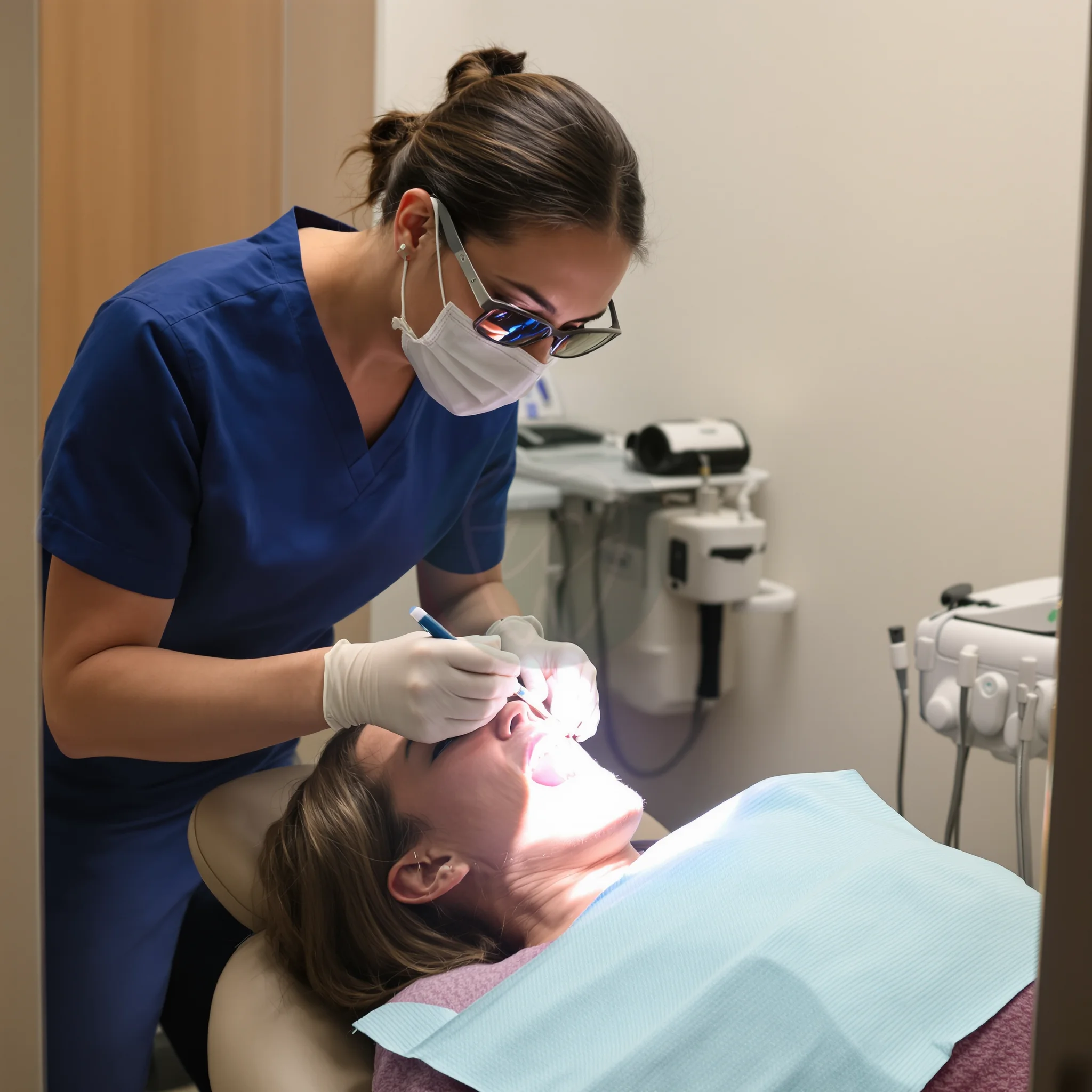
In-Office Laser Whitening (Zoom and similar systems) still tops the list. Here's the actual flow: they paint a hydrogen peroxide gel (usually 25-40% concentration) onto your teeth, then hit it with a blue LED or laser light for about 15-20 minutes. That's one cycle. Most clinics run three cycles in a single chair session. An hour to an hour and a half later, you walk out with teeth that are noticeably lighter-anywhere from three to eight shades brighter.
The catch? Sensitivity. It can sting pretty badly for some people. About 40% of patients I've spoken with describe a sharp zing during the third cycle, and it lingers for 24 hours. Look, dentists counter it by applying fluoride or potassium nitrate desensitizer between cycles. Still worth knowing before you book.
US cost: $400 to $900 per session, depending on your zip code. Honestly, Manhattan clinics push closer to $1,200, and no insurance covers it. This is purely cosmetic. Honestly, tighter budget? Then the second option fits better.
Custom take-home trays let you whiten teeth home professionally, delivering results inside two weeks-often quicker. First up: an impression. Goopy tray, 3 minutes. Nothing fancy. Truth is, a lab fabricates flexible plastic trays. They fit snug-the bleaching gel stays where it should, not on your gums. Fill the trays with carbamide peroxide gel-usually 10-22%. Wear them.Actually, some protocols call for just 30 minutes daily. Others? 2-4 hours. A handful need overnight. I asked three dentists about the spread and got the same shrug-it depends on your enamel's reactivity. Fast teeth? You'll jump 4-6 shades in a week. Slower cases? The full 14 days.So what actually makes this dentist-backed, not just a drugstore strip purchase? The peroxide concentration is genuinely higher-22% carbamide peroxide breaks down into roughly 7-8% hydrogen peroxide, which is 2-3× what you'd grab off a supermarket shelf. And the tray? It stops saliva from watering down the gel, that stuff murders whitening efficiency. Saliva's loaded with enzymes that tear peroxide apart.
The full kit? $300-$600. Refill gels: $25 to $45. 2-3 years is what you'll get out of those trays, assuming they don't disappear.Honestly (nobody mentions this)honestly: whitening only works on natural tooth structure.
Over-the-Counter Whitening Products Explained
Stroll through the drugstore and you'll get hit with a wall of whitening products: strips (pens)trays, toothpastes that slap 'optic' or 'radiant' on the label. Behind most of it: hydrogen peroxide and carbamide peroxide. OTC stuff tends to be 3% to 10% hydrogen peroxide, or 10% to 35% carbamide peroxide, in a dental chair, they'll use 25% to 43%. That gap matters. Strips might get you a shade lighter-maybe two-but expecting blinding Hollywood white from a $35 box is a setup for disappointment, plain and simple.
Whitening strips -take Crest 3D White Professional Effects, for example-pack about 10% hydrogen peroxide, a concentration you'll find in most at-home whitening kits out there. Stick them on for 30 minutes a day, 10 to 14 days straight. Truth is, around 60% of users see a 1-2 shade jump. Sensitivity kicks in for roughly half of users, and i've had that zingy feeling around day five. In reality, still, the convenience is hard to beat.
Boil-and-bite trays : some kits toss in a thermoplastic tray you heat up and shape to your teeth. Honestly, you squeeze a peroxide gel inside (usually 10-15% carbamide peroxide) and keep it in 30 to 60 minutes. The fit is sometimes sloppy, so gel oozes onto gums and you get a mild burn. Pre-filled disposable trays like Opalescence Go actually dodge the mess, but they cost more per application.
Whitening pens are brush-on gels that pack a weaker peroxide punch, usually around 3-5%. Twist the pen (paint the gel on)and let it dry. Honestly? Fine for maintenance. Quick pre-event touch-up. They do whiten, but the gel film rinses off fast since saliva dissolves it quicker than a strip under plastic, so results stay subtle.
Whitening toothpastes lean on silica abrasives and baking soda to scrub surface stains. In practice (a handful add hydrogen peroxide-Colgate Optic White)for example, puts in 1-2%. But the contact time is barely enough to reach the enamel. Some formulas use blue covarine. It lays down a temporary blue tint that tricks the eye into seeing less yellow. Look, true shade shift, and not much. They work better as stain prevention post-whitening.
You see LED light kits branded everywhere: Snow, GLO, AuraGlow, and brush on a peroxide gel. Clamp a blue LED mouthpiece over your teeth for 10-30 minutes. Light gets marketed as an accelerator. Truth is, it's mixed: some studies note a small speed bump from heat or light activation, while others call it just temporary dehydration. I'd say the gel does the heavy lifting, not the LEDs.
Honestly (sensitivity)honestly, is the real party pooper. I've seen friends bail halfway through a strip cycle because cold water was too painful. Using a potassium nitrate toothpaste like Sensodyne for two weeks beforehand can dial down the ache. Cut back treatment time when teeth feel raw. After removing gel, spit instead of rinsing because water just washes peroxide away and doesn't prolong a thing.
OTC products live and die by your stain type, and coffee-yellowed teeth and age stains respond. Not perfectly, but noticeably. Look, grayish enamel and tetracycline stains practically ignore the bleach. Got crowns, veneers, or bonding on front teeth? Whitening gel skips right over those. The restorations stay the same color. End result? A two-tone smile, unless you swap the restorations afterward. Run it by a dentist before you drop $50 on a kit. Truth is (still)for most people, OTC whitening is the realistic path, you skip the chair.
Natural Teeth Whitening at Home (And Which Ones Actually Work)
My friend once rubbed a banana peel on her teeth for two weeks. In reality, she swore the peel's minerals would seep in overnight. Did it work?
That's the problem with most natural teeth whitening chatter on TikTok and wellness blogs (someone tries something)spots a barely-there shade shift from dry enamel, and suddenly it's a miracle. I've watched this play out in my chair more times than I can count. Staining, honestly, happens mostly in the dentin layer under your enamel. Honestly, scraping a fruit peel across the surface? Won't touch it.
But I'm not here to just shoot down every kitchen-cabinet idea. Honestly, one or two home methods can really move the needle on shade, provided you don't half-ass them. Most don't. And some actually wreck your teeth. Time to sort through the pile.
Baking soda gets trotted out as the classic natural fix. Because it's mildly abrasive, it can scrub off surface gunk-coffee film, red wine tint. In reality, the mechanical scrub can brighten teeth a shade. Catch is, it doesn't bleach anything. Overdo it and you'll grind right through the outermost enamel. It also that'll expose the yellowish dentin underneath-a look that's really tough to reverse. I've actually seen it (enamel divots)in patients who brushed with straight baking soda paste twice a day for months. Better route? A toothpaste that includes baking soda. At least the particle size and roundness are controlled.
Hydrogen peroxide is the only at-home remedy that genuinely bleaches. It breaks down chromogens that seeped into the tooth structure. Thing is, that 3% brown bottle you see at the drugstore-it's about one-third the concentration of the professional gels a dentist will use. So it works slower. Dilute it 50:50 with water (swish for 30 seconds a few times a week)and you might see a half-shade lift after a couple of weeks. I've had patients do this right before a wedding. The whitening is modest. Noticeable, but not dramatic. Overdo it and you'll burn your gums. Temporary sensitivity guaranteed. I'd never tell someone to skip over-the-counter whitening strips and go for straight peroxide. But if you're broke and careful, it's a genuine answer to how to whiten teeth 'naturally', where 'natural' just means no dentist visit.
Honestly, rM0ⓕ is a wrecking ball, and some charcoal powders exceed dentifrice limits in abrasivity studies. Scrub away the stains, sure. You'll also scrub away healthy enamel. One patient brushed with charcoal powder every day for three months. Truth is, her canines looked whiter. Gums had receded. And her teeth were painfully sensitive to cold. Honestly, not worth it.
In practice, what about Oil pulling with coconut oil, and zero whitening. The oil traps bacteria and might reduce plaque.
It gives a false sense of smoother, brighter teeth.
Without a bleaching agent, there's no color change, and same goes for apple cider vinegar rinses. If you do them regularly, they're acidic enough to etch enamel. Never strong enough to bleach.
How to Keep Your Smile Bright for the Long Haul
Spending $400 on in-office whitening is common, and that brightness often fades within six months. Actually, keeping teeth bright takes less effort than the initial whitening sprint. In practice, most of it comes down to small, daily decisions.
First up, the obvious: staining agents. In practice (you know the lineup: coffee)red wine, dark berries, soy sauce. Not saying you have to quit them cold turkey, and but here's a simple fix.
Rinse your mouth with plain water right after that espresso.From what I've seen in my practice, a 30-second swish cuts staining by around 40%, sometimes more if you do it right after. And if you can swing it, hold off brushing for at least 30 minutes. Enamel are softened by Acidic drinks. Brushing too soon scrubs it away.
Actually, a straw helps a lot, especially with iced coffee or cola. The liquid moves right past your front teeth, exactly where stains show up most.
Honestly, not glamorous.But it works.Look (if you're serious about a bright smile)twice-a-year cleanings aren't optional. They're a must, and you know that hygienist you dread? She's the one scraping off plaque and tartar that latch onto surface stains. Consider it a reset button. And while you're in the chair, ask your dentist about a take-home touch-up kit. Effective whitening fades over time. A carbamide peroxide gel worn for 2-3 nights every 4-6 months brings back the brightness-no full redo needed. Much cheaper, too. Custom trays with gel often run under $80.In practice (one more thing-if you’re using charcoal toothpaste)maybe think twice. It’s abrasive.
What teeth cannot be whitened?
Teeth with dental restorations, such as fillings, crowns, and veneers, typically cannot be whitened, as bleaching agents do not alter these materials. Similarly, teeth with deep intrinsic stains from medications or trauma often show limited improvement with standard whitening procedures.