:no_upscale()/media/ic-dental/images/2026/03/2188bd29915a4501983011678565696c.webp)
:no_upscale()/media/ic-dental/images/2026/10/chipped-tooth-repair-options-cost-1600.webp)


What to Do Right After Chipping a Tooth
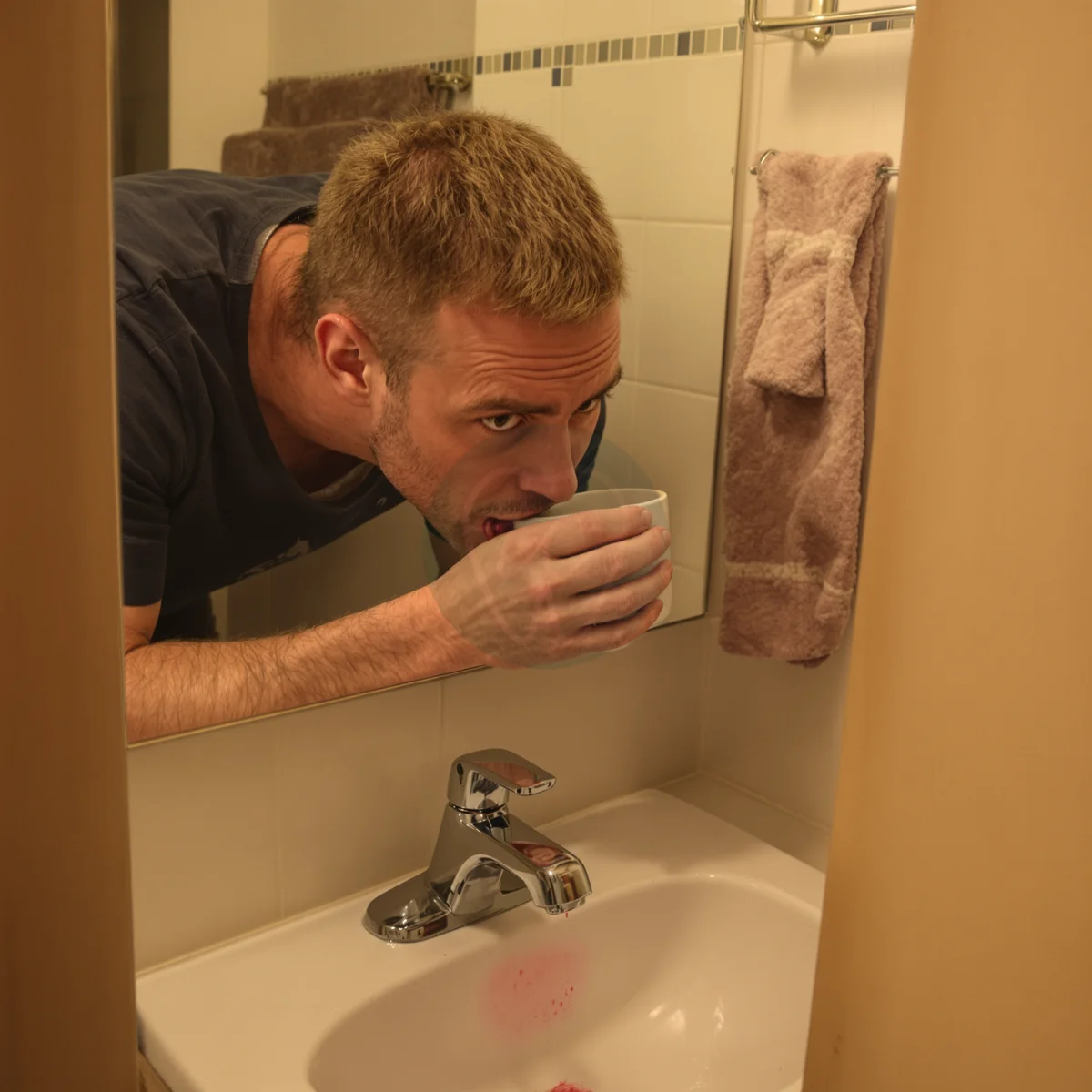
You bite into something - a crust of bread, a hard candy - and feel that wrongness. A jagged edge where smooth enamel used to be. Your first move matters more than you'd think.
Stay calm. Find the chipped tooth if you can. Rinse your mouth with warm water, not hot or cold. Then check if there's bleeding. If you see blood, press a clean piece of gauze or a damp tea bag against the spot for about ten minutes. Most chips don't bleed heavily, but exposed pulp tissue can ooze for a while.
Next, protect what's left. Dental wax - you can grab a box at any drugstore for maybe $5 - covers the sharp edge so your tongue and cheek don't get sliced up. No wax handy? Sugar-free gum works in a pinch. Chew it soft, press it over the broken area. It's not pretty, but it buys you a few hours.
Pain management is straightforward. Ibuprofen handles inflammation better than acetaminophen for this kind of injury. Take it with food. If the chipped tooth is deep and cold air makes you wince, avoid anything that's not room temperature until you see a dentist.
Don't put aspirin directly on the gum or the tooth. That causes chemical burns on soft tissue. It doesn't. It makes things worse.
What about the missing piece? If you found it, store it in milk or your own saliva - not water. Milk keeps the root surface cells alive longer. A dentist might bond it back, but only if you get there within a couple hours. The window is narrow. After that, the fragment dries out and won't reattach properly.
Chipped tooth repair isn't a same-day emergency unless there's heavy bleeding or you're in serious pain. Still, don't let it slide for weeks. A small crack can turn into a root canal case if bacteria sneak in through the dentin. Call your dentist by the next morning at the latest.
One more thing: skip the chewing on that side entirely.
Understanding the Severity of a Chipped Tooth
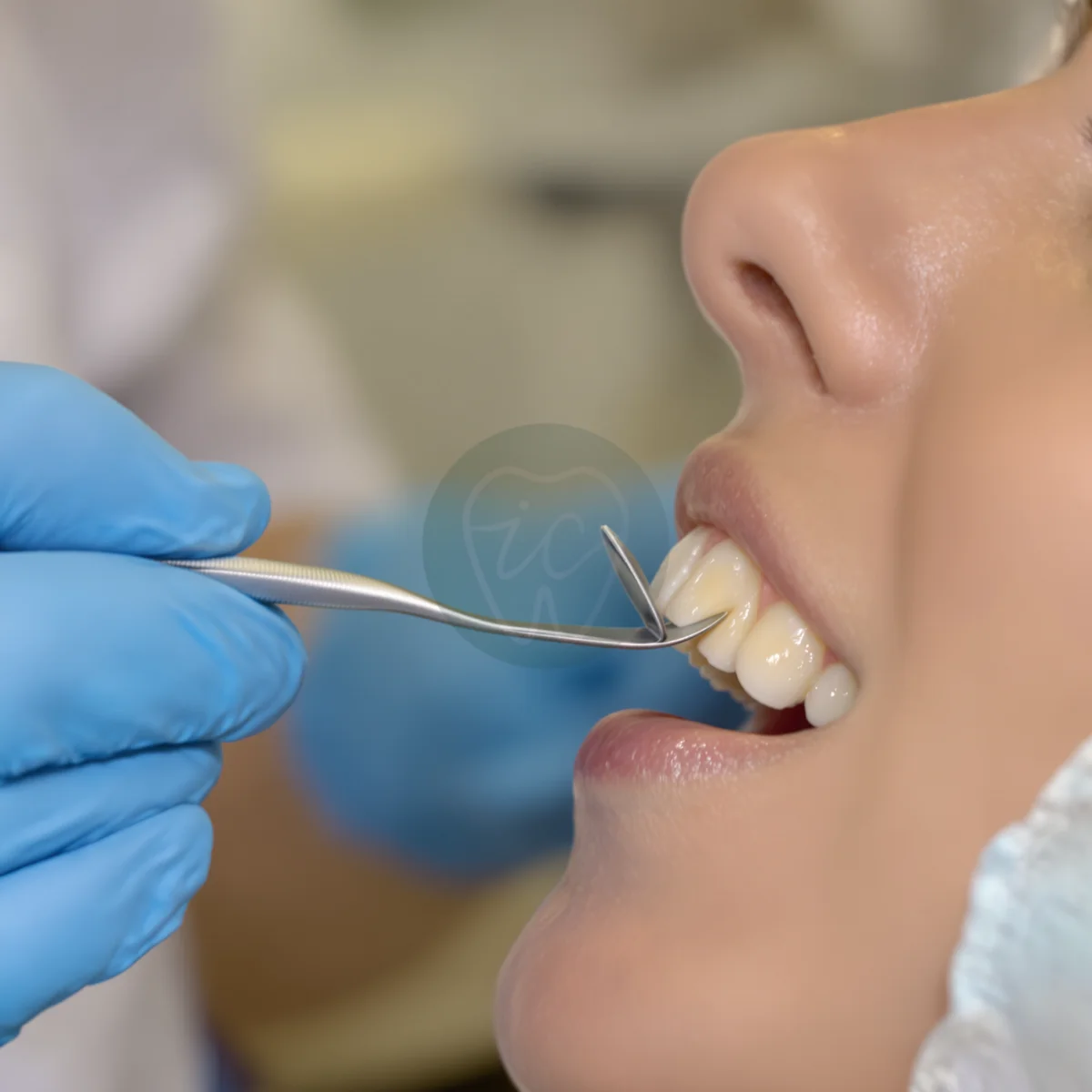
Not every chip is an emergency - but some definitely are. The first thing a dentist will do is figure out how deep the chipped tooth goes. That means looking at layers: enamel, dentin, and the pulp underneath. A nick in the enamel alone? Usually no big deal. You might even go months without noticing it. But if the chipped tooth reaches the dentin (that yellowish layer below enamel), you're looking at sensitivity to cold or sweet things. And if it exposes the pulp? That means pain, bleeding, or both - and that's an urgent situation.
How to tell where your chip falls
- Cosmetic chip - only enamel. Maybe a rough edge you can feel with your tongue. No pain. You can wait a week or two before seeing a dentist.
- Moderate chip - dentin exposed. You'll notice brief sharp stings when drinking iced water or biting into a grape. Needs repair within a few days to prevent bacteria from creeping in.
- Severe fracture - pulp exposed. Constant ache or sharp pain when biting. Possibly bleeding. This is a same-day dental visit. If left, it may need a root canal.
The crack travels. That delay turns a simple bonding repair into a crown - or worse, extraction.
For someone looking at options - especially if you're considering traveling to Turkey for treatment - the severity determines timing and cost. Minor chips get fixed in one quick visit for a few hundred dollars. Deeper fractures might need a root canal plus a crown, which pushes the total toward $800-$1,500 even in affordable markets. Knowing where you stand upfront saves guesswork.
One more thing: check for tenderness around your gums near the chipped area. That's often a sign the shock of the fracture irritated the ligament. It doesn't always mean the pulp is in trouble, but it tells your dentist to take a closer X-ray look.
Professional Repair Options by Chip Size
How your dentist fixes a chipped tooth depends a lot on how big the chipped tooth is. A tiny nick along the edge is a completely different beast from a crack that snakes into the nerve. Every chip deserves proper care - but the repair method shifts with the damage.
Small chips (1-2 mm)
If the chipped tooth is barely visible and doesn't hurt, you're looking at a 20‑minute bonding session. Your dentist roughens the enamel, paints on a tooth‑colored composite resin, and shapes it to match the original contour. No numbing needed. The whole thing costs somewhere between $150 and $400 in the US, depending on your office. The result lasts two to five years if you're careful with hard foods. One patient of mine chipped the same incisor twice on almonds - after the second bonding, she switched to cashews.
Medium chips (2-4 mm that expose dentin)
Once the chipped tooth reaches the yellowish layer underneath (dentin), bonding alone isn't always ideal. The restoration needs more strength. A porcelain veneer or a partial crown (onlay) is a better bet. Veneers run $800-$2,000 per tooth and cover the entire front surface. Onlays handle bigger defects on back teeth. This usually takes two appointments: one to prep the tooth and take impressions, another to cement the final piece. Expect a temporary in the meantime. Sensitivity to cold is common for a day or two after.
Large chips (over 4 mm or involving the pulp)
Here's where the repair gets serious. If the chip exposes the nerve (pulp), you'll need a root canal before anything else - roughly $700-$1,500 for a front tooth in many US cities. After that, the tooth is fragile and should be covered with a full crown ($1,200-$2,500). Same material options: porcelain‑fused‑to‑metal for durability, all‑ceramic for looks. The whole sequence takes three appointments and about two weeks of temporary crowns. It's a chunk of money and time, but it beats extraction.
Small chips are often same‑day fixes. Large ones require planning. The price spread between bonding and a crown-plus‑root‑canal can be tenfold. What matters most is getting a clinical exam and sometimes an X‑ray - you can't judge nerve involvement from the mirror.
When Root Canal Treatment Is Necessary
Most chips only hit the enamel or outer dentin - a quick bond or crown handles those.
But sometimes the crack runs deeper. If a chipped tooth exposes the pulp (the nerve and blood supply inside the tooth), you're looking at more than a cosmetic fix. That's when root canal treatment becomes necessary.
How can you tell? Pain that lingers after cold or heat. Sharp discomfort when biting. A grey or darkened corner on the chipped tooth. If you press on it and feel a jolt, the nerve may be irritated or dying. In a lot of cases the patient doesn't feel anything at first - the damage shows up weeks later on an X-ray.
A root canal clears out the infected or inflamed pulp, disinfects the inner chamber, then seals it. Without it, the tooth can abscess, spread infection into the jawbone, and eventually need extraction. It rarely ends well.
The procedure itself isn't brutal - local numbing, a small opening through the chewing surface, removal of the nerve tissue, shaping the canals, filling with gutta-percha. Most patients report it feels no worse than getting a filling. Afterward you'll likely need a crown to protect the remaining tooth structure, because a root-canaled tooth is more brittle.
Not every chipped tooth needs this route. If the chip is small and the pulp hasn't been breached, a filling or bonding works. But when pain lingers or the chip shows a pink or red spot (the pulp bleeding), don't delay. A root canal saves the tooth - extraction is the only other option for a pulp-exposed chip.
How Long Will a Chipped Tooth Repair Last?
The lifespan of a chipped tooth repair depends on three things: the fix itself, your bite, and how you treat it.
Composite bonding - the quick, affordable resin method - typically holds up 3 to 5 years. Push it to 7 or 8 if the chip is small and you stay away from hard candy or pens. Porcelain veneers average 10 to 15 years. A full-coverage crown, often used for larger chips, can sit tight for 15 years or more. Those are averages.
Location matters. A chip on a front tooth takes less chewing force than one on a molar. Molar repairs fail faster. The dentist's skill plays a role too - a rough edge that locks well into the opposing tooth lasts longer than one that doesn't quite match up.
What shortens the clock? Grinding your teeth at night (bruxism) can shave years off any repair. So can biting nails, opening beer bottles with your teeth, or eating popcorn kernels. Acidic drinks (soda, citrus juices) slowly weaken the bond. Coffee and red wine stain composite edges, making you notice the chip again even if the repair is still intact.
To get the longest life out of a chipped tooth repair:
- Avoid hard or sticky foods on that tooth for the first 48 hours.
- Wear a nightguard if you grind.
- See your dentist every six months - they'll catch early wear before it becomes a problem.
Most bonding touch-ups cost $150-$300 and take twenty minutes. A new veneer or crown runs $1,000-$2,500. Repairs that are caught early are always cheaper.
Working out the budget? See dental treatment cost in Turkey. Fixed-price, all-inclusive packages — no surprise add-ons.