:no_upscale()/media/ic-dental/images/2026/03/2188bd29915a4501983011678565696c.webp)
:no_upscale()/media/ic-dental/images/2026/06/Dental-Anxiety-Identifying-Triggers.jpg)


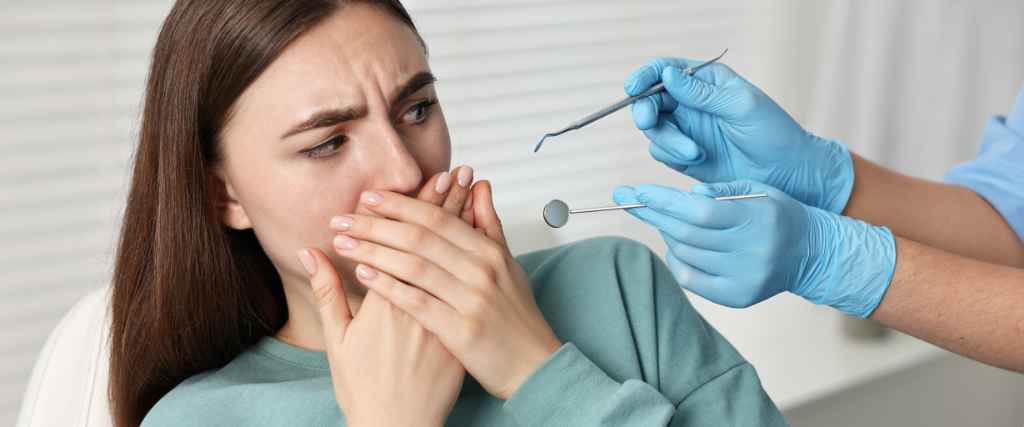
What is the difference between dental anxiety and dental phobia?
These two terms often get used interchangeably. But dental anxiety and dental phobia aren't the same thing-and figuring out which one you're dealing with changes how you handle it. Compare that with dry mouth symptoms and causes.
Dental anxiety is that feeling of unease, and nervousness creeps in before an appointment. Your palms get sweaty. You might cancel an appointment or two. If you push yourself, still, you can get through the door. It's a reaction to the unknown or to a past experience that wasn't great. A 2019 study in Community Dentistry and Oral Epidemiology found that roughly 50-60% of patients experience at least some dental anxiety.
Dental phobia is a step beyond that. It's an intense, irrational fear that sets off a full fight-or-flight response. Someone with dental phobia might avoid the dentist for years, even decades, despite needing care. Physical symptoms can include a rapid heartbeat (trembling)hyperventilation, or even fainting at the sight of a dental instrument. The difference isn't just severity, and it is related to control. People with anxiety often manage to push through with coping strategies. People with true dental phobia often need professional help to get through even a simple checkup.
So let's set the two side by side and see how they differ.
Dental Anxiety Dental Phobia Emotional response Worry, tension, nervousness Panic, dread, terror Physical reaction Sweaty palms, muscle tension Shaking, hyperventilation, nausea, feeling faint Behavior May reschedule sometimes. eventually attends Active avoidance for years. only comes in for emergencies or not at all Impact on oral health Minor delays. still get routine care Significant decay, gum disease, tooth loss
A 2017 survey from the American Dental Association found roughly 1 in 3 Americans avoid the dentist out of fear. Only about 5 to 10 percent actually meet the criteria for true dental phobia under the DSM-5. The rest fall into the anxiety zone, which is treatable with fairly modest interventions.
Patients have told me, 'I just hate the sound of the drill.' That's anxiety. And I've also seen someone who hadn't been to a dentist in 12 years and was in constant pain. That was phobia. Each one needs a different fix.
Figuring out where you land is the first real step.
What are common triggers of dental anxiety?
Some causes are obvious. Needles freak people out, that thin metal sliding toward your gum spikes anyone's heart rate. I've had patients who walked in fine, then froze the second they saw the syringe. The drill is another major one, and the high-pitched whine, the vibration through the tooth. It hits a nerve that's primal.
Loss of control factors in too. You're pinned on your back, mouth open, someone leaning over you. You can't talk, you can't move, and even swallowing is a struggle. For those who like being in charge, and that's most of us, it's a tough spot. Past trauma (especially a bad childhood visit)lingers in the back of the mind. A single rough extraction, or a dentist who never explained what they were doing, can stick in your memory for decades.
What physical sensations trigger anxiety?
Sounds and smells are the sneaky triggers. The rubber dam (the suction)that faint burned-tooth smell from the drill. Your brain ties them to pain, even when nothing hurts at the moment. A gag reflex can turn a routine X-ray into a nightmare.
Then there's embarrassment. Bad breath (visible decay)messy teeth. Some people avoid the chair because they're embarrassed by what the dentist will see or say. That's real. And it's a huge part of dental anxiety nobody wants to talk about.
One trigger feeds right into the next, and name it, and you've already cut its power in half. Once you know it's the drill noise that spikes your adrenaline, you can prepare for it. Bring headphones. Ask for a break. Most clinics now offer nitrous oxide or IV sedation for anyone who dreads needles. About 40% of US adults report at least mild dental fear, so you're not alone. The fix starts by spotting exactly what causes dental anxiety.
What are evidence-based management strategies for dental anxiety?
The fear is real. But the evidence actually points to something else, and it's not about telling someone to relax.
What is cognitive behavioral therapy and how does it help with dental anxiety?
In my experience, cognitive behavioral therapy (CBT) is the most consistently effective option for overcoming dental anxiety. It changes how the brain processes the dental setting rather than just masking the fear. A 2019 Cochrane review pegged it as the intervention with the strongest long-term results. Patients who complete 3-4 CBT sessions before treatment show measurable drops in heart rate and self-reported anxiety compared to controls. The basic skeleton: identify the catastrophic thought (like 'the drill means bone-deep pain'), challenge it, and reframe through gradual exposure. Some dentists bring CBT elements right into the chairside conversation. Others refer patients to a therapist for a short course before the procedure. Either works.
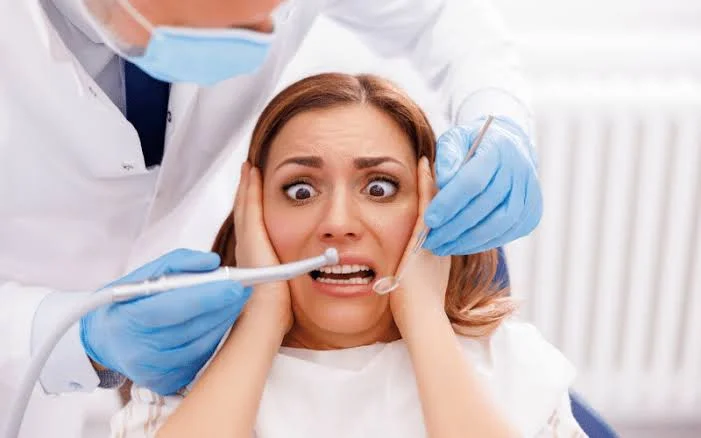
What pharmacological options are available for dental anxiety?
Medication can help, but it's not a blanket solution.
Nitrous oxide - laughing gas - is the lightest option. Around 70% of patients who use it report the anxiety "melts" rather than disappears. It's safe, wears off in minutes, and patients can drive home afterward. Oral sedation (typically a triazolam or a low-dose benzodiazepine like diazepam, taken 60-90 minutes before) works deeper. The patient stays conscious but drowsy, with barely any memory of the procedure. Here's the catch: They must have someone to drive them. IV sedation is a step up, it places the patient in a twilight state. This option is saved for the toughest situations, think full mouth reconstruction on someone who hasn't sat in a chair in 15 years. About 40% of dental phobia cases include a medication component as part of a broader plan.
What behavioral techniques actually help with dental anxiety?
You don't need a clinical degree for these. Dentists and hygienists rely on them regularly, and the research backs it up:
Tell-show-do. The dentist walks you through each part (explains the step)shows the instrument on a model or your hand, then goes ahead and performs it. Simple. But chairside studies show it cuts anticipatory anxiety by nearly half.
Distraction. Noise-canceling headphones with your own playlist. The sound of the handpiece drops from a primary threat to background noise. I'd argue this is the cheapest intervention that actually works, about $25 for a decent pair of earbuds.
Signaling. A raised hand means the patient needs a 30-second break. Knowing the stop-option exists changes the entire experience of helplessness.
What does the dentist 2-year rule mean for patients?
More than two years since your last cleaning, and some practices will tag you as a 'new patient'. That means a full exam and fresh X-rays, plus they'll go deeper into your history. For someone with dental anxiety, that label can feel like a setback.
The two-year mark isn't a punishment, though. It's a safety measure. Gums and bone change over time. A check two years ago doesn't tell us what's happening now. The gap only grows the longer you delay that next visit.
What most anxious patients miss: knowing the rule ahead of time lets you prepare. You're not blindsided, and you walk in expecting the extra step. The element of surprise - a major source of dental anxiety is cut by That. You can ask the front desk exactly how the visit will differ. Some offices even offer a shorter "re-entry" visit-just X-rays and a quick exam-to ease back in without the full-session pressure.
A 2022 survey from the ADA found that nearly 30% of adults had skipped dental care for two years or more because of fear. Rules aren't the enemy. The unknown is. If you're staring at a two-year gap, call ahead. Ask what the exam will cover.
How does pain perception relate to overcoming odontophobia?
Here's what most people don't realize about dental anxiety: the fear of pain often outweighs the actual pain. Patients have told me their palms sweat just sitting in the waiting room (yet once the procedure starts)they're surprised by how little they feel. That gap between expectation and reality is where dental anxiety lives.
Pain perception isn't static. It acquire amplified by stress, by a previous bad experience, by the sound of the drill. The brain cranks up the volume when it expects the worst. Around 60% of people with dental anxiety cite pain as their main worry - but modern dentistry has tools that change the game entirely.
What actually works
Topical numbing gel sits on the gum for 60 seconds before any needle. The injection itself? Most patients describe it as a pinch that fades in 3-4 seconds. Once the anesthetic kicks in (60-90 seconds later), you're genuinely numb for the next 45-60 minutes. You feel pressure, vibration - rarely sharp pain.
I tell patients to raise a hand the moment something feels off. That signal stops the drill immediately. We can add more anesthetic, switch needles, shift approach, whatever helps. The control stays with you.
Distraction works. Just bring headphones. Podcasts, music, audiobooks, any of these cut perceived pain by about 30% in studies.
Breathing matters. Inhale for four (hold)then exhale over six. It brings heart rate down and eases that hyper-vigilance.
Start small, and a routine cleaning, not a root canal. Trust builds one visit at a time.
I had a patient who avoided the dentist for twelve years after one painful filling. We eased in: a ten-minute exam, a cleaning the next month, then one small filling. She walked out saying, "That's it?" and hasn't missed a six-month appointment since.
Overcoming odontophobia isn't about being brave, and it's about resetting what your brain expects. Each pain-free appointment rewires the fear. Three or four visits in, and the dread starts to fade.
Working out the budget? See turkey teeth cost. Fixed-price, all-inclusive packages — no surprise add-ons.