:no_upscale()/media/ic-dental/images/2026/03/2188bd29915a4501983011678565696c.webp)
:no_upscale()/media/ic-dental/images/2026/02/3a4ad4531f42403089a3af5532d82d7c.webp)


What veneers actually do to your enamel
The short answer: it depends on the type. Traditional porcelain veneers usually shave off somewhere between 0.3 and 0.5 mm of enamel from the front surface of the tooth. That's about the thickness of a fingernail.
Here's the catch - once the enamel's gone, it doesn't grow back. You're permanently altering the tooth structure. That's why many patients feel squeamish about it. And honestly, they're right to be careful.
But here's where the story splits. No-prep veneers - often called "ultra-thin" or "contact-lens" veneers - can sit on top of the enamel with minimal or zero drilling. Brands like Lumineers or the newer E-max press designs can be as thin as 0.2 mm in some areas. The result? You preserve nearly all your natural enamel.
The phrase "enamel veneers" sometimes confuses people. All veneers bond to enamel - that's the whole point. But the amount of enamel you keep varies wildly depending on the technique and the ceramist's skill. A good dentist will take a full set of study models and a diagnostic wax-up to show you exactly where and how much enamel they plan to remove.
Not every case qualifies - thin, misaligned or badly stained teeth often need traditional prep. But it's worth asking the question.
Prep vs minimal-prep vs no-prep veneers
Here's the breakdown. You've got three main roads your dentist can take, and the amount of enamel they shave off is the big difference.
Full-prep veneers (traditional)
This is the method most people picture. The dentist removes a defined layer of enamel - typically between 0.3 mm and 0.5 mm - from the front surface of the tooth. In some cases, they go deeper around the edges to hide the veneer's finish line. For a UK patient with naturally thin enamel, that's a permanent change. You can't put it back. You commit to wearing veneers from that point on. The upside is control: the dentist can reshape the tooth in almost any direction, fix rotations, and close big gaps cleanly.
Minimal-prep veneers
Think of this as the middle lane. The enamel removal drops to around 0.1 mm to 0.3 mm, sometimes just a light sanding with a diamond bur. It's enough to break the glaze and create a mechanical bond, but you preserve most of your natural tooth structure. These work best when your teeth are already well-aligned and only need slight cosmetic tweaks - colour, small chips, narrow spacing.
No-prep veneers
Exactly what it says. Zero enamel removal. The veneer - often a thin, press-ceramic shell like Lumineers or a similar ultra-thin brand - is bonded directly onto the unaltered tooth. The catch is geometry. Your tooth gets bulkier by about 0.2-0.4 mm, so it works best for teeth that are slightly small or have room in the arch. If your front teeth already sit forward? Not a good fit. The final look depends heavily on your starting tooth shape.
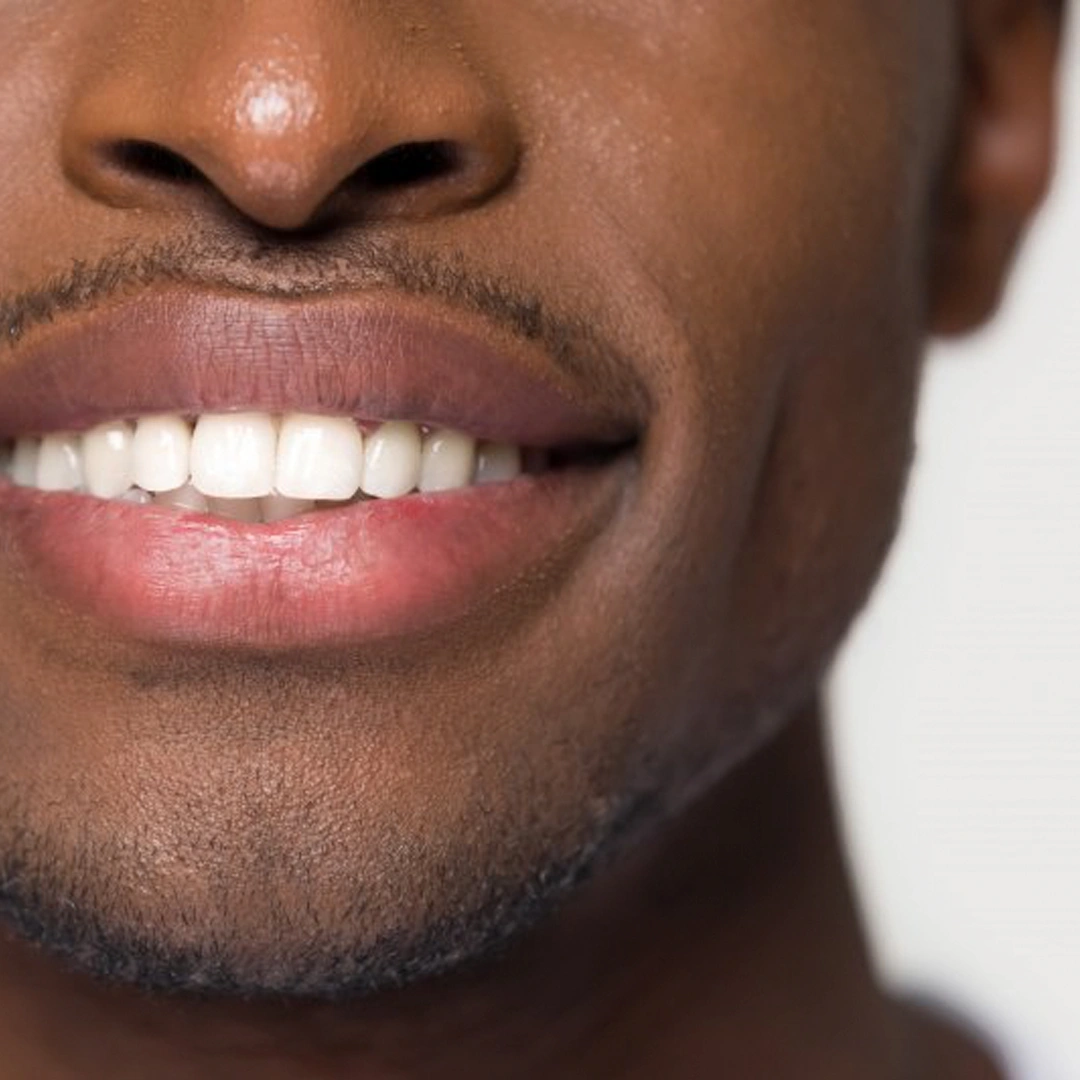
Can veneers fix enamel erosion?
Enamel erosion strips away your tooth's natural armour. Once it's gone, it doesn't grow back. So when someone asks whether enamel veneers can fix that damage, the honest answer is: they can cover it, but they won't cure the underlying problem.
Veneers - porcelain or composite - are a cosmetic shell. They replace the lost surface and restore appearance. But they're not a treatment for erosion itself. If your enamel is thinning because of acid reflux, a soda habit, or night-time grinding, slapping on a veneer without sorting those triggers is a waste of money. The acid will eventually start leaking around the edges, and your real tooth underneath stays vulnerable.
Here's what most clinics won't spell out: standard porcelain veneers still remove 0.3-0.5 mm of healthy enamel from the front of the tooth. If your enamel is already paper-thin from erosion, that shaving becomes risky. You end up with a tooth that's held together almost entirely by porcelain, bonded to dentine rather than strong enamel.
But there are no-prep or minimal-prep options. Brands like Lumineers or Durathin claim zero reduction, though in practice a tiny skim is often needed. For eroded teeth, a surgeon might recommend partial veneers - just covering the front half - to preserve what little enamel remains.
Why 'Turkey teeth' horror stories are usually crowns not veneers
Most of those shocking "Turkey teeth" photos you see online-mismatched, bulky, inflamed gums around dental work-are not veneers at all. They're crowns. Full-coverage crowns that wrap around the entire tooth. It's a crucial distinction that gets buried in the horror stories.
Why clinics push crowns instead of veneers
Pure economics. But the real margin is in the chair time. A single crown takes the lab 45 minutes to make from a scan. A porcelain veneer done properly-minimum three days, multiple try-ins, custom staining. Some tourist clinics will fit multiple crowns in one sitting using pre-fabricated stock. That's how you get those bulbous, opaque lumps that look like denture teeth.
The preparation depth tells the story
| Feature | Porcelain veneer | Full crown |
|---|---|---|
| Typical prep depth | 0.3-0.5 mm | 1.2-2.0 mm |
| Number of appointments | 2-3 (minimum 10 days apart) | 1-2 (can be same visit) |
- Real veneers: prep stops at the enamel-dentin junction almost always. Crowns often go well into dentin.
- Real veneers: you can usually keep the tooth alive.
- Real veneers: require a minimum 5-7 day interim between prep and bond. Crowns can be same-day milled and cemented.
- Real veneers: the final shade is built up in layers. Crowns often have a single opaque core that blocks all light.
- Real veneers: maximum 8-10 per arch. Crowns: a full smile makeover can be 12-20 units easily.
- Real veneers: you still show some natural tooth at the gumline. Crowns cover right to the margin.
Ask specifically what material is going on each tooth. If the clinic says "full coverage veneers" or "zirconium veneers," that's code for crowns. Real veneers are pressed or layered ceramic-never zirconia, never milled from a single block. If they offer to do the whole mouth in two days, walk away. You cannot make 16 custom veneers in 48 hours and get the fit right. That's a factory assembly line, not cosmetic dentistry.
So next time you see a horror story on Reddit or TikTok, count the teeth visible. If it's 12-20, it's crowns. If the gums look angry and the teeth are opaque, again-crowns. Real porcelain veneers, done properly, look like your own enamel. They don't scream "I had work done." They whisper.
How enamel is assessed before treatment
Before a dentist touches a single tooth, they need to know exactly how much natural enamel they're working with. This isn't guesswork - it's a clinical process that starts with a thorough exam and imaging.
Most clinics begin with digital scans and X-rays. A cone-beam CT (CBCT) scan gives a 3D view of each tooth's enamel thickness right down to the dentin. That's when we start talking about no‑prep options.
The dentist also uses a diagnostic wax‑up or digital mock‑up. They take a mould or intra‑oral scan, then design the final veneer shape on a screen. This lets them check exactly how much reduction (if any) is needed to achieve the desired look. For enamel veneers, the rule is simple: the less prep, the better. A full‑prep porcelain veneer typically shaves off 0.5-0.7 mm of enamel. No‑prep versions aim for zero removal, but that only works if your existing enamel is thick and well‑positioned.
Another tool? A simple visual assessment using magnification and dental loupes. Experienced clinicians can spot thin enamel or early wear patterns. They'll also check bite and alignment - a misaligned bite can crack a veneer if the enamel underneath is too thin.
So, the assessment isn't just "yeah, you're a candidate". It's a data‑driven decision about risk and longevity.
Lifespan and what happens when a veneer is replaced
Most porcelain veneers hold up around 10-15 years before needing attention. That's a solid run. But when the time comes to swap an old set, the real question is: how much more enamel comes off? The replacement process itself isn't brutal. The old veneer is removed with a rotary instrument, the tooth is cleaned, and a new impression is taken. In most cases, little to no additional enamel is removed - unless decay or fracture has changed the tooth surface. The key variable is the original prep depth. If you started with a standard veneer that removed around 0.5 mm of enamel, repeating that twice over 30 years could shave off a full millimetre. That's when things get dicey. This is where no-prep enamel veneers shine. They involve minimal initial reduction - sometimes just a light polish. When it's time for a replacement, the dentist can often just clean the surface and rebond. No fresh drilling. For patients worried about long-term wear, asking for a no-prep or minimal-prep approach upfront protects your teeth decades down the road. A poorly fitted or old veneer can also trap bacteria along the margin. That leads to gum inflammation and edge staining. In those cases, the decay has to be removed first, which can mean more enamel loss. Regular check-ups catch that early. Truth is, veneers aren't a one-and-done. They're a cycle. Every replacement risks a little more tooth.
Wondering what it costs? See our guide to dental prices in Turkey: prices by treatment, what the package includes and how to compare quotes.