:no_upscale()/media/ic-dental/images/2026/03/2188bd29915a4501983011678565696c.webp)
:no_upscale()/media/ic-dental/images/2026/08/how-long-do-turkey-teeth-last-in-article.webp)


What patients usually mean by “Turkey teeth”
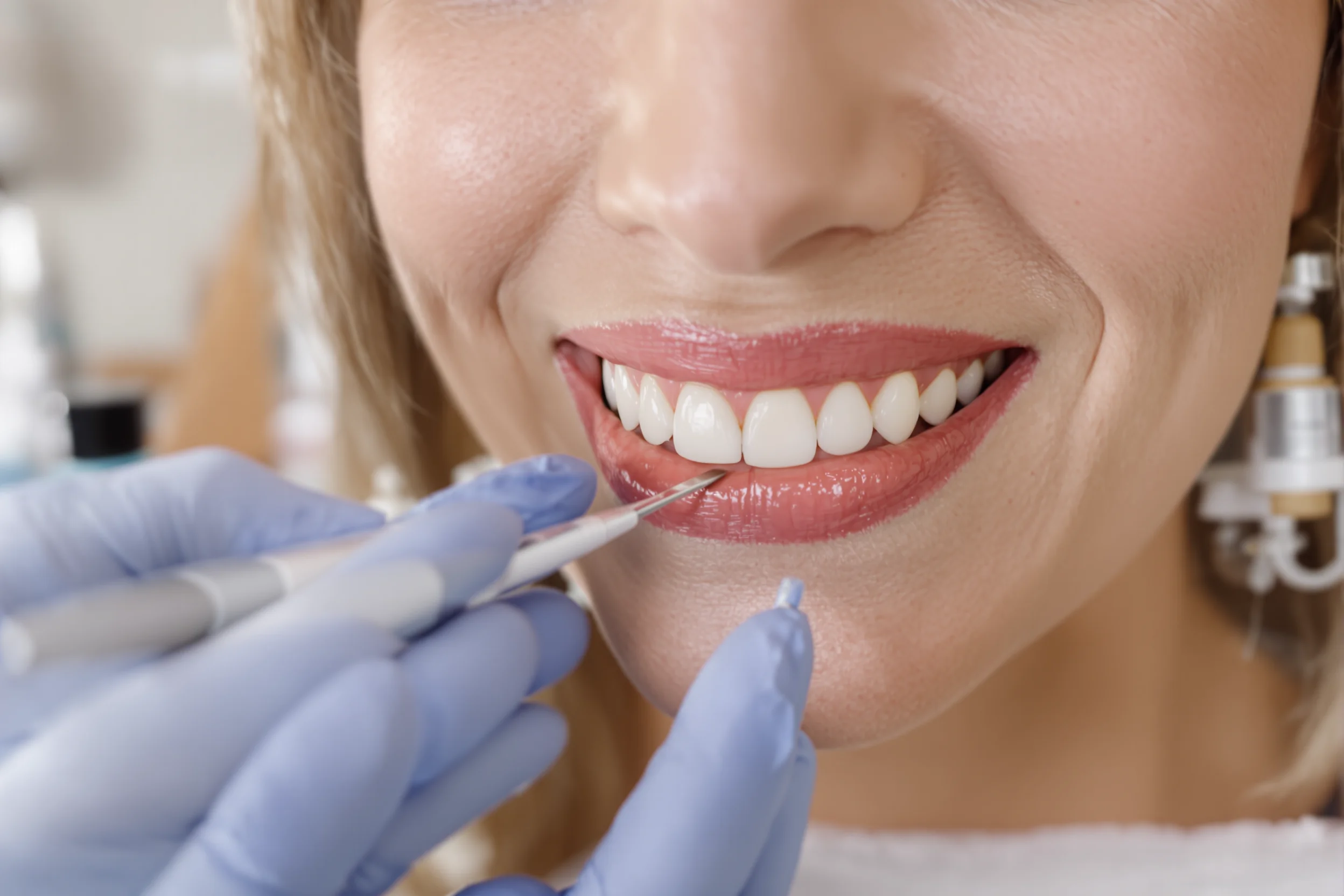
"Turkey teeth" isn't a clinical term. You won't find it in a dental textbook or on a BDA fact sheet. It's the British phrase (usually delivered with a raised eyebrow) for the bright white veneers or crowns fitted in Turkish clinics. Think of the uniform, slightly blocky smile that fills Instagram dental pages. The one celebrities overdid in the early 2010s.
For most patients who bring it up, "Turkey teeth" means porcelain veneers on the top front eight or ten teeth, sometimes the whole arch. Every tooth gets the same shade, usually A1 or lighter, plus the same rounded shape. That's where the "chicklet" nickname comes from. Some patients actually mean crowns, full coverage caps fitted after their own teeth were filed down to stubs. Others mean zirconia crowns, which behave differently again. A growing number mean implant-supported bridges replacing most of a jaw.
Why does that matter for lifespan? Because "how long do Turkey teeth last" has no single answer. Veneers, crowns and implant bridges all get described as "Turkey teeth", and they age very differently:
- Porcelain veneers from a good clinic last 10 to 15 years.
- Zirconia crowns sit in the same ballpark if the fit and cementation are right.
- Composite bonding, sometimes sold to budget patients as a cheaper "Turkey teeth" option, rarely survives past four to six years before chipping or staining.
- Implant bridges are built for decades, provided the implants fuse properly and you keep up the hygiene.
Part of the confusion is the packaging. Patients often don't know which material they're getting until they're in the chair
How long do Turkey teeth actually last?
The honest answer to how long do turkey teeth last is: it depends on what was fitted (who fitted it) and what you do in the years afterwards. No single lifespan applies to the lot
Most "Turkey teeth" packages are veneers, and veneers split into two very different camps. Porcelain laminate veneers (usually E-max) can hold up for 10 to 15 years with decent care. But a large share of the veneers fitted in high-volume Istanbul clinics are "no-prep" shells bonded onto unprepared teeth. Those fail faster
Crowns and implants run longer
Full crowns, usually zirconia or porcelain-fused-to-metal, last longer as a rule: around 12 to 15 years, and some pass 20. The fit matters more than the material. A well-seated crown from a careful dentist will outlive a premium material slapped on in 20 minutes.
Implants are the longest-lasting option, and our dental implants page sets out what the treatment involves. With good bone and proper placement, a single implant can last 20 to 25 years. The crown on top will need replacing sooner, often every 10 to 15 years, but the titanium fixture is built to stay.
Composite bonding, used for minor gaps and chips, is the shortest game: expect 3 to 5 years before it needs touching up. Lifespan and price move together here, and our Turkey dental price page shows which treatment each package fee actually buys. Teeth whitening and smile design work don't change your structure at all (so they have no lifespan in the same sense) though results fade within 1 to 3 years depending on coffee, tea, and smoking.
What actually shortens the lifespan
- Teeth grinding at night. One of the fastest ways to wreck veneers.
- Decay creeping under poorly prepared teeth.
- Ill-fitting margins that trap plaque and inflame gums.
- Skipping checkups for years at a time.
The UK aftercare problem deserves its own paragraph. If your veneer chips in Birmingham, your NHS dentist won't repair it
So who gets the longest life? People who verify the clinic's real registration rather than its Instagram (ask which lab makes the restorations) pay for a proper treatment plan, and wear a night guard. The procedure is only one half. Maintenance is the other.
Turkey teeth last anywhere from a disappointing 2 years to a solid 20. The split comes down to prep work, material quality, and your own habits.
UK vs Turkey: what affects the lifespan of identical dental work
Surprisingly, the same ceramic can survive decades in Antalya and fail within three years in Manchester. Geography alone doesn't crack a crown. Everything around it differs, the planning, the fit, the bite check, the aftercare. Rarely is the material itself the weak link. Most labs in Turkey import the same German ceramic blocks (e.max, zirconia, VITA) used by UK labs
- Appointments, not days. An UK veneer course usually runs four to six weeks: prep (temporaries) final fit, then a review. In Turkey, most cases pack into five to seven days, back to back. Gums need three to four weeks to settle after the preparation work. Cementing final veneers before that leaves the margin sitting too high on the tooth. You end up with a grey line at the gum, and the ceramic can work loose early.
- The bite check. Grinding wears down veneers in either country. An UK dentist checks how your teeth meet around the first review and adjusts high spots. After a Turkish package, that job falls to a dentist back home who didn't fit the work and may refuse to touch it.
- Warranty and recourse. UK dentists are GDC-registered and CQC-inspected, with mandatory indemnity on top. Workmanship warranty on restorations runs about 12 months
Does UK work always last longer? No. The patient matters as much as the postcode. Nighttime grinding, smoking, sweets, and missed dental checkups wear down any restoration, so if someone in Leeds wonders about the lifespan of turkey teeth, the truthful reply is that it depends entirely on how well the prep work, treatment order, and follow-up care are maintained
Warning signs that dental work abroad will fail early
When patients ask how long Turkey teeth last, the honest answer often lies in what happened before the first crown went on. Early failure is rarely a surprise to a trained eye. The red flags appear weeks before you board the flight, and again in your mouth within months.
Red flags before you commit
- The treatment plan arrives by WhatsApp photo. Any dentist who plans 10 or 12 crowns without you in the chair, without scans, and without seeing your gums is guessing. Guesswork fails.
- A fixed fee for everything included. One flat price for crowns (veneers) implants, and whitening looks tidy on paper. Most often, that means the clinic picks the cheapest lab and materials it can find, not the ones that last longest.
- Ask them to put the implant brand and the lab name in writing. If they hedge, walk away
- No X-rays before treatment. Before any work begins, a competent dentist needs a periapical or CBCT image to check bone levels and existing fillings. Skipping that step to save time is exactly how crowns get cemented onto teeth that were already dying.
Signs the work is already failing
After the cement sets, watch for these over the first 18 months:
- A grey line at the gum margin. That grey line is the metal collar of a cheaper crown, or the edge of the preparation showing. It also traps plaque and is a sure sign the margin is open.
- Food packing between two teeth, and crowns made from a sloppy impression leave gaps. Within a year or two, decay takes hold inside that gap.
- Cold sensitivity that lingers. Slight cold sensitivity for a few seconds is normal after crowning. Pain that hangs on for a minute means the crown is not sealed.
- Clicking or movement when you bite, and the crown should feel like part of the tooth. Any movement at all means the cement bond has failed.
Each of these signs shortens the lifespan of the work. A crown with a 0.5mm open margin fails in two or three years, not the 10 to 15 years a well-fitted crown should deliver. So when you account how long do turkey teeth last, start with the signs. A clinic that plans your crowns from a WhatsApp photo and quotes a flat fee is telling you everything before you sit in the chair.
What to do in the UK after Turkish dental treatment
The bit of the work you carry home matters as much as the fitting itself. Before you settle back into normal life, book a check-up with an UK dentist. Not in three months, and within two to three weeks of landing. The aim is simple: catch fit problems, bite issues, and early hygiene trouble while they're still cheap to put right.
Ideally the dentist will look at the new crowns or veneers and check how your back teeth meet. A couple of x-rays confirm the margins sit properly. On the NHS in England an examination with x-rays falls under the Band 1 charge, £27.90 as published by the NHS at the time of writing, while any crown or bridge work that follows sits in Band 3 at £332.10 (NHS: how much NHS dental treatment costs). Bear in mind your NHS dentist didn't place this work and is under no obligation to maintain it, though most will offer advice.
Keep your paperwork. That's not optional. Some clinics promise free corrections if something fails within a few years. That usually means the flights and a new course of treatment come out of your pocket, while the free part only covers the lab work
Most of the answer to how long turkey teeth last comes down to day-to-day care in the UK. Veneers and crowns need a soft brush and low-abrasion toothpaste, plus a bit of restraint before you bite into anything hard. With implant crowns, a water flosser is useful, and you should clean around the base where the crown meets the gum. Bridges, by contrast, need interdental brushes threaded underneath. Even the best work done in Antalya or Istanbul degrades if your home routine is neglectful. The margins stain and the gums pull back. Decay sets in underneath, and a veneer that should have lasted ten years quietly fails by year four.
Know the warning signs. See a UK dentist promptly if you have pain when biting, gum swelling that does not settle within a week, a crown that clicks when you bite, or a visible gap between the restoration and the gum. A dentist can often re-cement a loose crown or repair a chipped veneer in a single visit. Implant-related problems are trickier. You may be referred to a periodontist or implant specialist, and you will pay privately. Budget accordingly.
One more point. If a failure does happen, don't assume the entire set has to be removed.