:no_upscale()/media/ic-dental/images/2026/03/2188bd29915a4501983011678565696c.webp)
:no_upscale()/media/ic-dental/images/2026/10/root-canal-treatment-turkey-cost-guide-1600.webp)


Understanding Root Canal Treatment: What It Is and Why You Might Need It
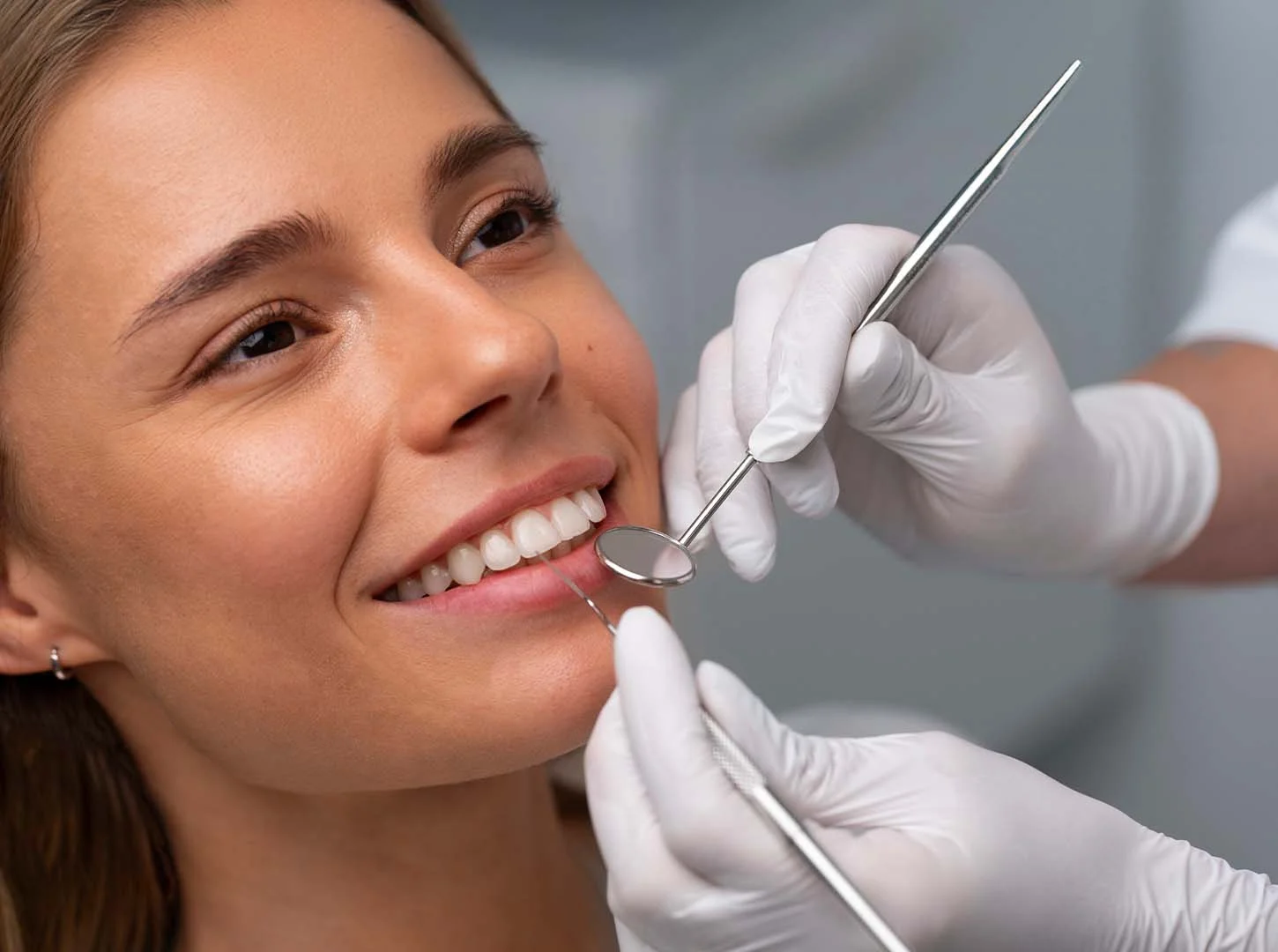
A root canal is a dental procedure designed to save a tooth that's become infected or badly decayed. The infection reaches the pulp - the soft tissue inside the tooth containing nerves and blood vessels - and if left untreated, it can spread to the jawbone and cause abscesses. The treatment itself involves removing the infected pulp, cleaning and disinfecting the root canals, then sealing the tooth.
So how do you know you might need one? Classic signs include persistent tooth pain, especially when biting or chewing, prolonged sensitivity to hot or cold foods, and swelling or tenderness in the nearby gum area. Some people also notice a discoloured tooth or a pimple-like bump on the gum that discharges pus. Not everyone has symptoms, though - some infections are only spotted on routine X-rays.
That's where the Turkey connection comes in. But the decision isn't just about price. You also need to know what the procedure involves, how long it takes, and whether a Turkish clinic meets the same clinical standards you'd expect in the UK. That kind of saving changes the calculation for a lot of people.
The key is understanding that root canal treatment is a routine procedure, not experimental.
Root Canal Cost in Turkey vs. UK: A Detailed Price Comparison
The price gap between a root canal in the UK and in the Turkey is not small - it's wide. Really wide. A standard molar root canal in London or Manchester runs anywhere from £800 to £1,200, and that's before you pay for the crown (another £800-£1,500). Add a consultation fee, X-rays, and maybe a specialist referral, and you're looking at £1,500-£2,700 per tooth. For a back molar? Closer to the top end.
In Turkey, the same treatment - performed by an endodontist at an accredited clinic - typically costs £150-£350 for the root canal itself. A crown adds £200-£400. All-in, a molar might land at £400-£700. That's roughly a 70-75% saving. Patients flying from the UK often bundle two or three teeth into one trip and still come out ahead after flights and a hotel.
Why such a difference? UK dental tariffs are set by a mix of private practice overheads, indemnity insurance, and the cost of materials. Turkey's cost of living is lower, labs charge less, and the government has invested heavily in medical tourism infrastructure - think ISO-certified clinics in Antalya and Istanbul that see international patients every day. The result: you pay a fraction of the UK price, often for a treatment that takes the same time and uses the same rotary file systems, microscopes, and bioceramic sealers.
What the Table Shows
Cost ItemUK (Typical £)Turkey (Typical £) Consultation + exam£50-£100Free (most clinics) CBCT scan (if needed)£100-£250£25-£50 Root canal (front tooth)£500-£750£100-£200 Root canal (molar)£800-£1,200£150-£350 Zirconia crown£800-£1,500£200-£400 Total per molar (typical case)£1,600-£2,700£350-£750But raw numbers only tell part of the story. What's included in those Turkey prices? Most reputable clinics throw in the consultation, 3D imaging, and even transfer from the airport. You pay for the treatment and the crown - no separate fee for the anaesthetic or the rubber dam. UK practices seldom bundle like that.
There is a catch you need to think about. If something goes wrong - a missed canal, a crack, a reinfection - getting a revision in the UK costs another full fee. In Turkey, most clinics offer a one-year warranty on their work. if you can get back, the retreatment is free. Flights and time are still on you.
So how do you weigh value? Compare the all-in cost of a package: treatment + crown + return flights (say £150-£250) + 3 nights in a 4-star hotel (£150-£300). That still comes in under £1,000 for a molar. A single molar in the UK? £1,600 minimum. The numbers pull in one direction.
Root canal treatment in Turkey is not a cheap shortcut - it's a properly regulated medical service priced at local economic levels. The savings are real, but only if you pick a clinic that publishes its prices upfront, uses a microscope for every canal, and can show you before-and-after images of similar cases. Ask for the total cost of treatment in Turkey in writing, including the crown and any contingency.
Is Root Canal Treatment in Turkey Safe?
The short answer is yes - provided you choose carefully. Turkey has over 40 JCI-accredited hospitals and a growing number of specialist endodontists trained in Europe and the US. That said, not every clinic advertising root canal treatment meets the same standard.
What makes a clinic safe?
Three things separate a reliable provider from a risky one. First, the dentist should be a registered specialist - not a general dentist who happens to offer root canals. Turkey's Ministry of Health keeps a public register. ask for the practitioner's registration number and check it yourself. Second, the clinic should use a dental microscope. Root canals are precision work. Without magnification, a dentist can miss a fourth canal in a molar, leaving infection behind. Third, single-visit treatment with digital imaging is now standard in the best clinics. If the clinic offers only X-rays shot on an old film machine, walk away.
Regulation and oversight
Turkey's Health Tourism Regulation (2017) requires clinics treating international patients to hold a specific authorisation certificate called the "Yetki Belgesi." This isn't optional. If the clinic can't show you one, that's a red flag. The regulation also requires a written treatment plan and informed consent in English - not just in Turkish. I tell patients: if the clinic can't produce these documents without being asked, you're in the wrong place.
Infection control is another layer. Turkish hospitals follow international sterilisation protocols, but smaller dental offices in tourist-heavy areas sometimes don't. Look for autoclave sterilisation, single-use needle policies, and separate treatment rooms for surgical and non-surgical work.
How to verify a clinic before you fly
- Check the Turkish Dental Association's list of registered specialists - it's free and online.
- Ask for before-and-after digital X-rays, not just posed photos of the dentist in a white coat.
- Request a video call with the treating dentist. If they can't explain your root canal plan in plain English, find someone who can.
- Read reviews on third-party sites, not just the clinic's own page. Look for patterns - one complaint about poor communication is normal. five complaints about re-treatment is a warning.
Turkey has the infrastructure, the specialists, and the equipment to deliver root canal treatment that matches any European clinic. But - and this is the part most cost-comparison articles skip - the safety rests entirely on which door you walk through. Pick the wrong clinic to save £100, and you might be buying a plane ticket twice.
The Root Canal Procedure in Turkey: What to Expect
A root canal in Turkey typically follows the same clinical process you'd get in the UK, but the timeline can move faster. Most clinics split the work over two or three appointments. The first visit is where the dentist removes the infected pulp, cleans the canal system, and places a temporary filling. Expect around 60-90 minutes per session. That's about the same as a UK appointment, though some Turkish clinics compress the whole thing into 48 hours if you're flying in.
The procedure starts with a local anaesthetic - same stuff, same effect. The dentist isolates the tooth with a rubber dam (a small latex sheet) to keep the area dry. Then they drill a tiny access hole, locate the canals, and start cleaning. They use hand-operated files or a rotary tool to scrape out the infected tissue. Irrigation follows: a disinfectant solution flushes every canal. After that, the canal gets dried and filled with gutta-percha, a rubber-like material that seals it off. An X-ray confirms the fill is complete. You're done for that session.
For a molar, expect the dentist to work through three or four separate canals. That's what makes molars trickier and more time-consuming than front teeth. It also explains why back teeth cost more: more canals, more work, more X-rays. A single-root tooth might take 45 minutes. A molar can push past 90. That's a real difference worth factoring in when you compare quotes. For a detailed breakdown of cost procedure variations, you'll want to ask clinics how many canals your tooth actually has.
How Many Appointments Are Needed?
Most patients in Turkey finish root canal treatment in two visits. The first appointment handles cleaning and shaping. Between sessions, the dentist places a medicated dressing inside the tooth to kill any remaining bacteria. Seven to ten days later, you return for the permanent fill and a temporary crown. Some clinics offer a single-visit option if the infection is mild and the tooth has straightforward anatomy.
If you're flying in, check whether the clinic can schedule visits 48 hours apart.
Pain Management and Anaesthesia
Turkish dentists use the same local anaesthetics - lidocaine or articaine - as UK practitioners. The numbing starts within two minutes. For inflamed teeth (where the nerve is still angry), the dentist may supplement with an intraligamentary injection directly into the ligament. That extra jab stings for five seconds but guarantees deep numbness. Over 90% of patients report zero pain during the procedure. Post‑op soreness is common for 2-3 days and responds well to ibuprofen. Some clinics give you a one‑week supply as part of the package.
- Mild tenderness when biting down - usually fades within 72 hours.
- Avoid chewing on the treated side until a permanent crown is placed (2-3 weeks).
- Take over‑the‑counter painkillers as directed. ice packs help reduce swelling.
- Attend a free follow‑up X‑ray at 6 months - many Turkish clinics include it.
- If pain worsens or lasts beyond 5 days, call the clinic - they'll see you same day.
These numbers are averages. Always confirm the cost procedure breakdown with your chosen clinic. The biggest surprise for most patients is how quickly Turkish clinics slot you in - and how little you have to wait between appointments. That speed, combined with the price difference, is the real draw of treatment turkey.
10 Years After a Root Canal: Long-Term Success and Care
A root canal done well should last decades, not just a few. Studies put the 10‑year survival rate for root‑canal‑treated teeth somewhere between 85% and 95% - the big variable is the quality of the initial seal and the crown that follows.
For patients who travel to Turkey for the procedure, long‑term success hinges on the same factors: thorough cleaning, tight sealing, and a well‑fitted crown. That said, clinics that specialise in international patients tend to use the same rotary systems and apex locators you would find in London.
What can you do to push that tooth past the 10‑year mark? Simple habits matter more than you think.
- Don't chew ice or hard sweets on that side.
- Keep up good brushing and flossing - the gum around the root is still vulnerable.
- A yearly dental X‑ray catches any reinfection early.