

What is tooth sensitivity?

A sharp (sudden pain that fires through a tooth the moment it touches something cold)hot, sweet or sour, that's tooth sensitivity. Despite how it feels, it isn't a disease in its own right. Doctors call it dentine hypersensitivity. The sharp pain is a symptom of something happening at the tooth's surface. Roughly one in three adults in the UK will have sensitive teeth at some point, most often between their 20s and 40s.
Trouble starts when their protective layers wear thin, and enamel covers the crown (but once lost)it doesn't regrow. The root has no enamel to speak of. Instead, cementum covers it and is far softer. When either layer thins, dentine gets exposed. It is full of tiny fluid-filled channels (tubules) that run straight from the outside of the tooth to the nerve at its centre. Any cold, hot, acidic or sweet trigger shifts that fluid, and the shift triggers the nerve. That's the familiar quick jolt.
Two routes lead to exposure. On the crown, acid or friction wears the enamel away. At the gumline (receding gums leave the root exposed)which is why sensitivity often starts right at the gum's edge.
What does it feel like?
This feeling is very specific. It's a brief pain, a second or two, that fades the moment the trigger is gone. That alone sets it apart from tooth decay or an abscess. With a cavity or an infected nerve, the ache lingers long after the cold drink is gone. A tooth that hurts for hours points to something else.
What sets off sensitive teeth differs from person to person, but the usual suspects are:
What triggers sensitive teeth?
Sipping cold water. It also getting a sharp jolt is the classic sign. There's rarely just one cause, though. The common thread is dentine exposure: the softer layer under enamel, riddled with microscopic tubules that run straight to the nerve. Expose that layer, and everyday things start to trigger pain.
Hot coffee, ice cream, fizzy drinks, cold air on a winter morning. Sweet things too. Even brushing can set it off. Around one in three UK adults lives with it, and most cases trace back to one of four problems.
Enamel wear tops the list. Acid in cola, fruit juice, or wine gradually wears away the protective layer, and brushing too soon after an acidic drink leaves the surface softer still. Then there's gum recession, leaving the root exposed. The root has no enamel at all, so temperature change hits it almost instantly. Common culprits are over-vigorous brushing (a hard-bristled brush)and small circular scrubbing. Grinding or clenching your teeth at night also chips away enamel near the gumline.
Sometimes the trigger is simpler. A recent whitening treatment, a cracked filling, or a small cavity can cause the same zing, especially with cold. As you age, gums recede naturally, which is why sensitivity tends to creep in during your 30s and 40s.
If pain lallygag after the trigger is gone, or if a individual tooth is the only one that hurts, see a dentist: that points to decay or infection rather than plain sensitive teeth.
What causes sensitive teeth?
Sensitive teeth happen when protective enamel wears through or gums recede, exposing the dentin underneath. Dentin is a living level, riddled with thousands of microscopic tubes that run straight to the nerve inside the tooth. Hot (cold)sweet or acidic substances push along those tubes, and the nerve fires. Sharp, sudden pain, and dentine hypersensitivity is the technical name for it. Ask any dentist and they'll tell you it's one of the most frequent reasons an adult in the UK books an appointment.
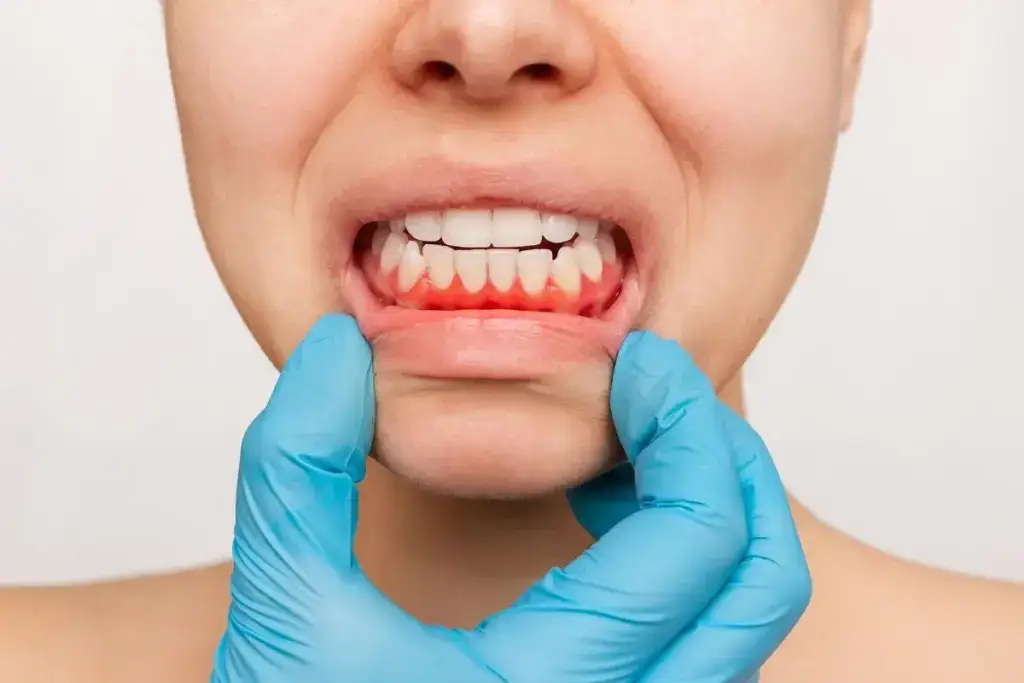
Gum recession is the commonest cause. When the gum border pulls back, the tooth root becomes visible, and the root has no enamel of its own. Most of the time this arrives gradually. Gum disease speeds it up. Tartar build-up inflames the gum tissue, and over time that inflammation destroys the fine fibres holding the gum to the tooth
Brushing technique matters more than most people realise. Scrubbing side-to-side with a hard bristle works like a saw at the gum line. Over years, the gum thins and drops back a millimetre at a time. Gentle circular strokes with a soft or medium brush usually stop the process. If the damage is already done, no brush will put the gum back.
Enamel erosion is the other big driver. Acid softens the enamel surface, and your saliva needs around half an hour to harden it up again. Orange juice, apple juice, sparkling water with lemon, white wine, cola - all of them do this. Graze on them all day and the enamel loses the battle, losing thickness slowly and silently. Fizzy drinks are the worst, because the bubbles add carbonic acid on top of the rest. Acid can also come from inside the body. Stomach acid reaching the mouth through reflux is far more corrosive than any drink, and it usually damages the backs of the upper teeth first.
Grinding and clenching also damage teeth, particularly at night. People who grind often wake with sore jaw muscles or notice front teeth that look shorter than before. Stress is a frequent trigger. Dentist-made plastic mouth guards won't stop the habit, but they do protect the remaining enamel.
Structural problems are next. A cavity (a cracked tooth)or advanced gum disease can each cause sensitivity, usually in one spot. Sweet foods often set off this kind. When only one area hurts, suspect decay or a crack before anything else. Age matters too. Decades of mastication (brushing)and acidic food gradually wear down enamel, which is why dentine hypersensitivity becomes steadily more common with age.
Recent dental work can make things tender for a week or two. New fillings, fresh crowns, and professional whitening often cause this. If the tenderness lingers past two weeks, the dentist should take another look.
When to see a dentist
Most cases of sensitivity respond to desensitising toothpaste and gentler brushing. But a few situations warrant an earlier check-up:
- Pain that lasts for minutes after you finish eating
- One tooth that hurts consistently
What can you do at home for sensitive teeth?
For most people, sensitive teeth can be eased at home without a dentist visit, but the fix takes weeks, not one night. A desensitising toothpaste is the best-documented starting point. Look at the ingredients list rather than the front-of-tube promises for potassium nitrate or stannous fluoride. Potassium nitrate and stannous fluoride have the strongest backing in research, and own-brand options from Boots, Tesco, and Superdrug usually run about half the cost of major toothpaste brands. Colgate Sensitive Pro-Relief (a popular option)uses arginine instead and also has solid trial data. Use the paste twice a day and stick with it for a fortnight before judging the result. The active ingredient gradually lays a protective coating over exposed dentine. It doesn't block pain the way a numbing gel does. Firm scrubbing with a medium or hard brush can wear exposed dentine down further, so switch to soft bristles and use small circular motions for the full two minutes. Bristles that splay within a month mean you're pressing too firmly. Acid is the other big factor you can control. Enamel temporarily softens on the teeth right after exposure to fizzy drinks, fruit juice, wine, or citrus. Brushing in that window scrubs the softened layer straight off. Wait 30 to 60 minutes after anything acidic, or better, brush your teeth before breakfast. A huge amount of avoidable wear is removed by That single habit. Two more small changes round out the routine. Rinse with a fluoride mouthwash at a different time than brushing, the rinse right after will wash away what your toothpaste just left. Set whitening strips and gels aside for now. Peroxide-based whiteners are among the most common triggers for sensitivity, and the effect can linger for weeks. - Use a toothpaste with potassium nitrate or stannous fluoride twice a day for at least two weeks. - Brush gently using a soft-bristled toothbrush for two full minutes. - Wait half an hour or more after acidic food or drink before brushing. - Put whitening products away until the sensitivity calms down
Professional treatments for sensitive teeth
Home care can only carry you so far with sensitive teeth. If a month of desensitising toothpaste hasn't dulled the twinge (the next step is the dentist's chair)not another supermarket tube. Professionals don't guess. They map where the dentine sits exposed, then check the gum line for recession and probe for cracks. An X-ray follows if anything looks suspect. What they find shapes the treatment, so it helps to know the options. The cause shapes the treatment, which is why an honest diagnosis matters more than any single product.
Fluoride varnish
For sensitive teeth, this is usually the first thing a dentist offers. After the dentist brushes concentrated fluoride solution onto the sensitive areas, it hardens in a minute or two. For many people, staying comfortable takes two to four applications a year. You're fine to eat and drink straight away, though some dentists suggest waiting 30 minutes. That fits worn enamel across several teeth, not a single cracked one
Bonding and fillings
When enamel has bear away at the gum line, this treatment won't rebuild it. Bonding a tooth-coloured composite resin over the exposed dentine seals the tubules mechanically. Within a day, it usually feels normal again
Surgery and root canal
Where gums have receded enough to expose large areas of root (a gum graft may be needed)tissue from the palate is stitched over the recession. It sounds worse than it is. Root canal treatment is the more feared option, reserved for cases where the pulp has become inflamed and pain lingers long after the drink is finished
Most appointments run under 40 minutes for varnish or bonding, and you leave with the same teeth, just quieter ones. If the plan is varnish, expect closer to 20 minutes. Either way, you walk out the door able to sip something cold without flinching