:no_upscale()/media/ic-dental/images/2026/03/2188bd29915a4501983011678565696c.webp)
:no_upscale()/media/ic-dental/images/2026/06/Silver-Tooth-Cap.webp)


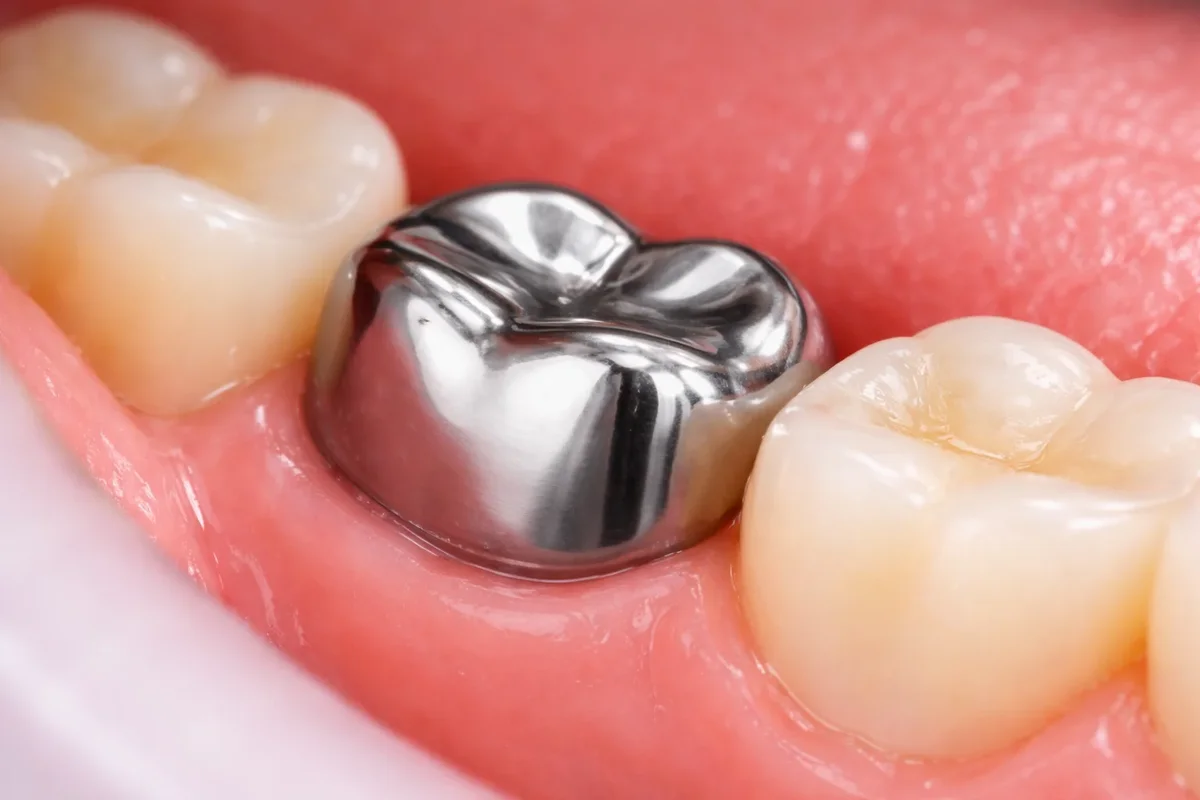
What Is a Silver Tooth Cap?
A silver tooth cap, that's a pre-formed metal crown that slips over a damaged tooth. For decades, dentists have been using them, mostly on back teeth that handle serious chewing. Inside, the cap is a thin shell, stainless steel base, usually a 316L medical-grade alloy, sometimes coated or layered depending on the brand. Think of it as a helmet for that damaged tooth.
They work. Really well. Properly fitted, a silver cap can last anywhere from 8 to 15 years, sometimes longer if the patient doesn't grind. Compared to a lot of pricier options, it's punching well above its weight. I've had patients who got one in their teens and didn't need a replacement until their late twenties.
So why would a dentist choose metal over ceramic or zirconia? Heavy pressure is handled by Two reasons: strength and price, and a silver cap without cracking. And it costs less-around $800 to $1,500 for a single tooth in the US, versus $2,000 or more for an all-ceramic crown. That matters when insurance caps coverage or when a patient is paying out of pocket.
Here's what you need to know about the material:
Stainless steel base -resists corrosion, holds up against acids in food and saliva.
In most dental alloys, Nickel content falls around 8 to 12 percent. A small number of people have nickel allergies, so it's worth mentioning to your dentist.
The silver appearance doesn't mean it's pure silver. That look comes from the alloy blend, often with chromium and molybdenum added for hardness.
Single tooth fit: these caps are sized for individual teeth, not for bridges or multiple units.
FeatureSilver capCeramic / Zirconia Cost (per tooth)$800-$1,500$1,500-$3,000 Lifespan8-15 years10-20+ years StrengthVery highHigh (zirconia), moderate (ceramic) AestheticsMetallic, visibleTooth-colored, natural Best forMolars, pediatric useFront teeth, visible areas
One thing people don't actualize: a silver cap on a molar doesn't require as much tooth shaving as some all - ceramic crowns. Since the metal wall is thinner, your dentist can preserve more of your natural tooth structure underneath.
Are Silver Caps Good for Teeth?
It depends.
Silver dental caps (stainless steel for kids, silver alloy for adults) have been around for decades. For a back molar nobody ever sees? They're hard to beat. A pediatric dentist in Houston told me last month she's placed thousands on children's primary teeth. They hold up. A single stainless steel crown can last 10-15 years, sometimes longer.
Cost is the big draw. A silver cap runs roughly $300-$500 per tooth out of pocket without insurance, compared to $800-$1,500 for ceramic. Most dental plans cover silver caps at 50-80%, so patients end up paying maybe $100-200. That's a real concern when you're capping multiple molars.
But 'good' depends on what you prioritize. On aesthetics, silver caps lose. They're a dull metallic gray. Put one on a front tooth or a premolar that shows when you smile, you'll notice. That's why dentists usually reserve them for back teeth, first and second molars, where chewing forces are highest and visibility is low.
Durability? Solid. Silver caps hold up against fractures and wear. They won't chip the way porcelain-fused-to-metal does. But the bond between the metal and the tooth depends on cement, not a precision fit. Over time, that cement can wash out, creating a gap where food and bacteria collect. That can lead to decay underneath the cap-a risk with any crown, but more common when the silver cap doesn't fit well.
Allergic reactions are rare but real. About 10-15% of people are sensitive to nickel, and stainless steel contains nickel. For those people, a custom cap made from a silver-palladium alloy or even sterling silver (which has trace copper and no nickel) is an option. Most labs don't keep sterling silver in stock, so you'd need a specialist and pay a premium-roughly $600 to $800.
If the margin isn't smooth, another issue: silver caps can irritate gums. The dentist who takes time will contour and polish the edge. Rushed work leaves a rough rim that causes gingivitis.
So are silver caps good? If it's a decayed back molar on a tight budget, then yes. But for a front tooth or someone with metal allergies, probably not. You pick based on the tooth's position (your budget)and whether a bit of metallic glint bothers you.
How Much Does a Silver Tooth Cap Cost?
Most people don't realize how much the price of a silver tooth cap can swing. There isn't a single price: in the US, you're looking at roughly $500 to $2,500 per tooth, sometimes higher depending on the dentist and the lab.
What Drives the Cost Up or Down
The material itself matters. A sterling silver cap (the kind with actual silver content not a cheap mix)costs more than a standard stainless steel crown. Labs that custom-cast a single cap charge a premium - often $150 to $300 just for the fabrication, before the dentist's fee.
Where the tooth sits in your mouth also plays into it. What about a silverish cap on a front tooth? Rare, but if someone wants it for aesthetic reasons, the price jumps to $1,800-$2,500, the precision fit demands it. A back molar cap usually lands on the lower end, $500 to $1,200, since it's not visible and the shape is simpler.
Additional Fees That Add Up
Exam and X-rays, $50 to $200. You'll need these before any cap gets placed.
Tooth preparation, $200 to $400. Shaving down the tooth to fit the cap.
Temporary crown, $75 to $150. While the lab makes your silver cap, you'll wear this temporary crown.
Cementation visit runs $100 to $250. The final placement and bite adjustment carry their own fees.
Add those together, and you're looking at $900 to $3,500 out-of-pocket before insurance. For a molar in suburban Atlanta, you might get a quote of $1,100 total. A bicuspid in a Manhattan clinic? $2,800, easy.
Does Insurance Cover Silver Caps?
Most dental plans classify a silver cap as "major restorative" and cover 50% after you meet your deductible, typically $50 to $150 per year. But some policies cap the annual max benefit at $1,500 to $2,000. If you need two caps within a year, you could cease up paying for the second one completely out of pocket. Worth checking your plan's "maximum benefit" number before booking.
Cash patients sometimes get a slight discount. A few dentists offer a 5-10% discount for paying upfront rather than filing insurance.
To give a realistic estimate, budget $1,000-$2,000 per cap. Anything under $500 is a warning sign-either the material is low-quality or the dentist is cutting corners.
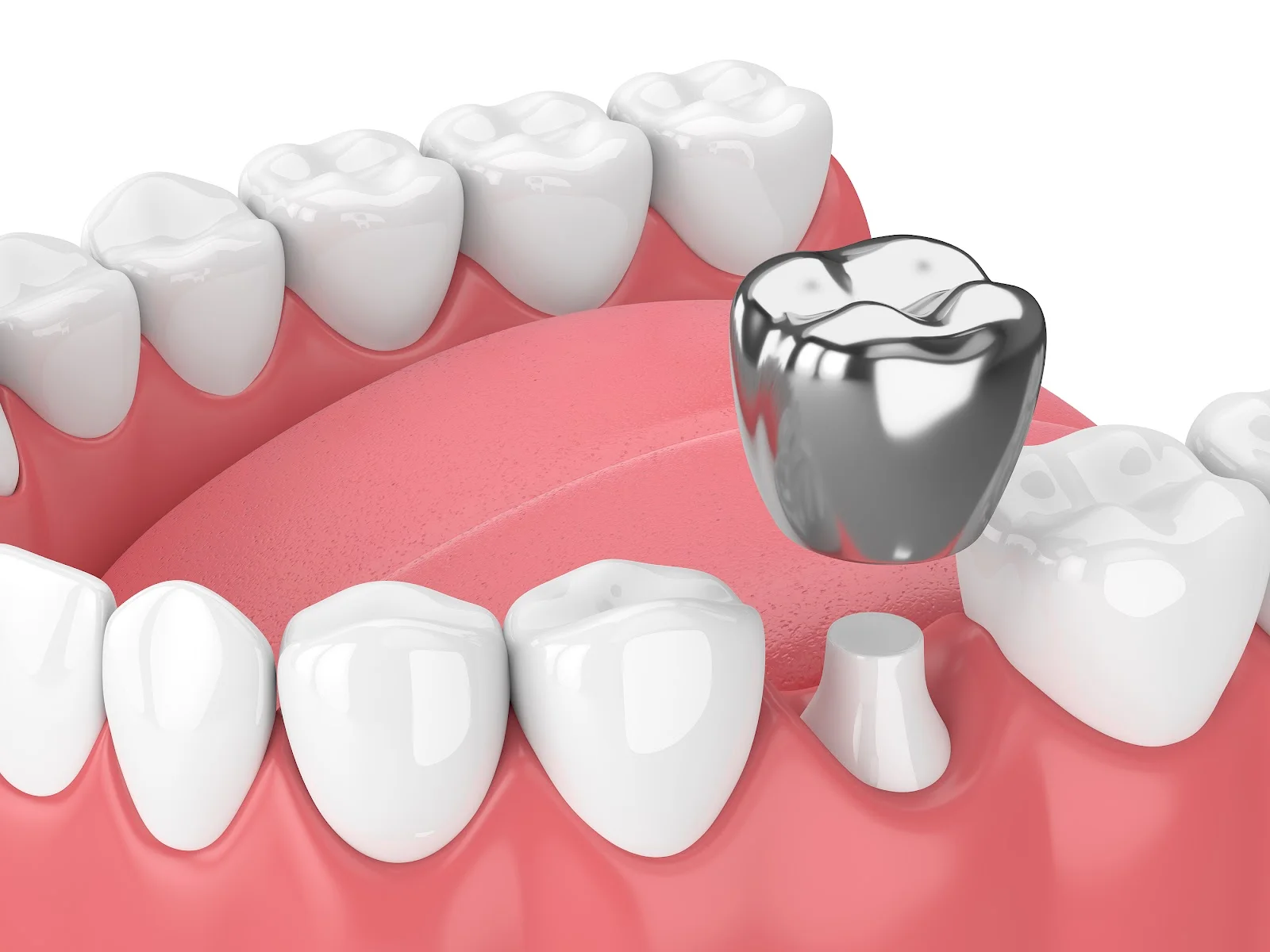
How to Get a Silver Tooth Cap
The process isn't complicated, but it takes two visits over a couple of weeks. First, you'll need a consultation. Your dentist starts by examining the tooth (checking for decay)cracks, or gum issues around it. They'll also take an X-ray to see what's going on below the gum line. If the tooth is healthy enough to support a cap, it's a green light.
Step 1 - Preparing the Tooth
During the first appointment, the dentist numbs the area then files down the tooth. How much gets removed depends on the type of cap you choose. A sterling silver cap requires about 1.5 to 2 millimeters taken off the outer surface. For metal-backed crowns, less reduction is needed. After shaping, they take either a digital scan or a putty impression. That mold heads off to the lab, and you walk out with a temporary plastic crown to wear while you wait.
Step 2 - Choosing the Material
Now comes the decision. Your dentist has a few options for silver caps:
Type Metal Content Cost Range Best For Full stainless steel Nickel-chromium $150 - $350 Kids, temporary use Silver-colored PFM Base metal alloy $400 - $800 Molars, durability Precious metal alloy Gold + silver mix $600 - $1,200 Lasting restoration
If you want that visible silver look (the typical choice is a PFM crown)the thin metal collar sits right at the gum line. The lab tints the porcelain to match your natural tooth color while keeping the metal edge exposed.
Step 3 - Fitting the Final Cap
Two to three weeks later, you return. Next (the dentist removes the temporary)cleans the tooth, and tries on the permanent cap. They check the bite, you bite down on carbon paper to see if the contact points are even. A slight adjustment with a diamond bur, that's routine, and after that (they cement it with dental adhesive)and that's it.
One thing people don't expect: the tooth might feel a bit taller for a day or two. That's normal. Go back for a quick adjustment if it still bothers you after 48 hours.
Across both visits, the whole process takes about 90 minutes total. Without insurance policy, a single silver tooth cap runs $ 300 to $ 800 on average.
Can You Eat with a Silver Tooth Cap?
You can eat with a silver tooth cap, just not right after the cement sets. The first 24 hours are the make-or-break window. Dentists use impermanent cement for the first fitting of a silver cap, and that material needs time to set completely.
Bite down on anything hard too soon, and you might pop the cap right off. I've had patients who couldn't resist an apple on the way home - they were back in my chair the next morning. The first day (stick to soft foods: yogurt)scrambled eggs, mashed potatoes, smoothies. Chew on the opposite side of your mouth if you can manage it.
Once those first 24 hours are behind you, you're mostly in the clear. Permanent cement bonds much stronger. Silver caps are metal, plain and simple. If you bite straight into a bone-in pork chop or crack open a pistachio with that tooth, you can warp the metal or fracture the tooth underneath. The cap almost never chips, the real concern is the tooth beneath it.
Temperature sensitivity is another issue to watch for. Metal conducts heat and cold a lot faster than enamel does. During that first week, avoid extreme temperatures: don't gulp ice water or bite into pizza right out of the oven. Lukewarm foods and drinks are your best bet while your mouth gets used to the cap.
Sticky foods also create their own set of problems. Caramel, taffy, gum, they grab the edge of a temporary cap and yank it loose. Permanent caps handle stickiness better, but I'd still skip sticky stuff for the first 3-4 days.
By day five, most people are back to eating normally, just with a few small adjustments. Watch the hard candies. Skip the ice cubes. That's it.
Working out the budget? See turkey teeth cost. Fixed-price, all-inclusive packages — no surprise add-ons.