:no_upscale()/media/ic-dental/images/2026/03/2188bd29915a4501983011678565696c.webp)
:no_upscale()/media/ic-dental/images/2026/06/Best-Pop-On-Veneers.webp)


What Exactly Are Snap-On Veneers?
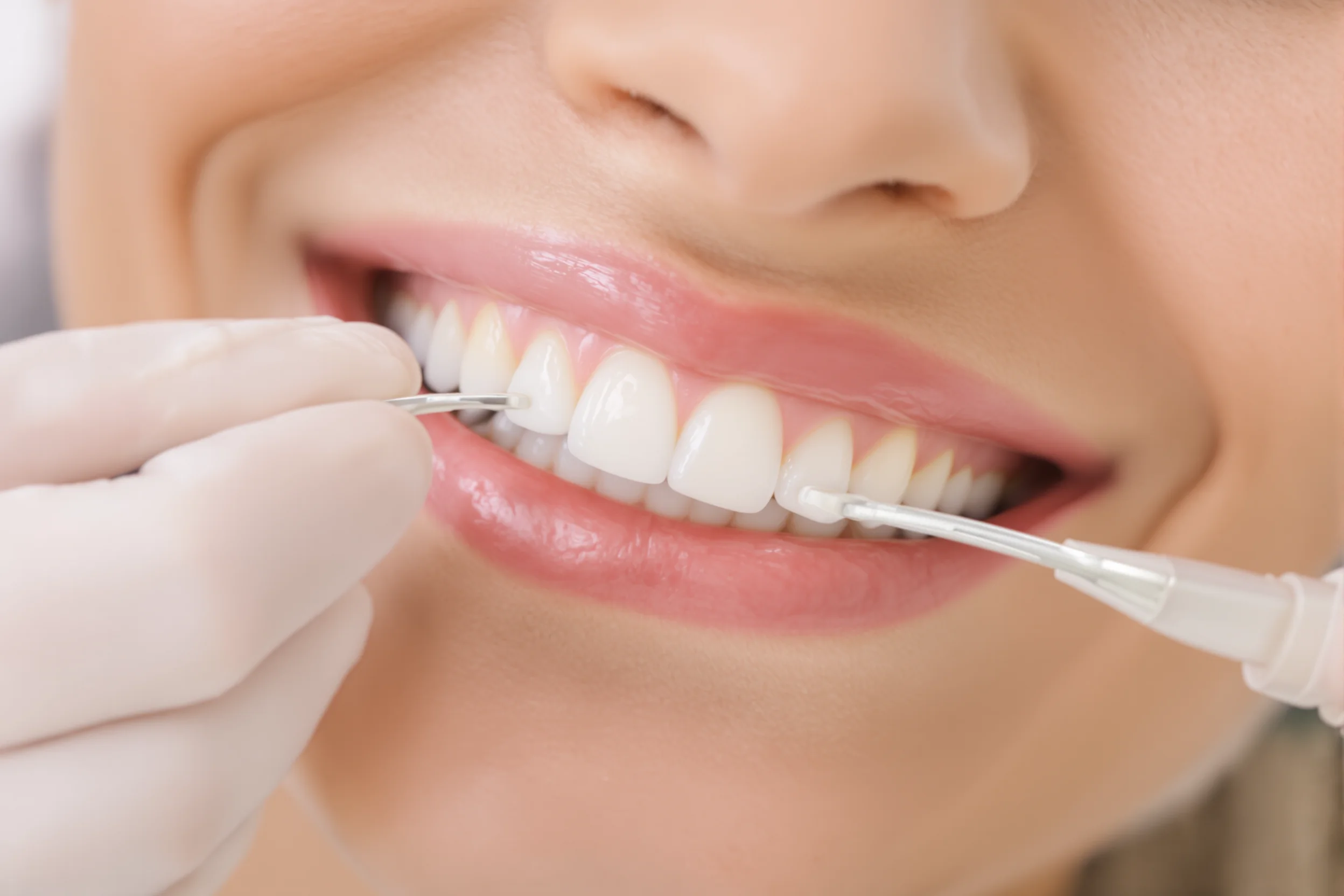
Snap‑on veneers are a removable, non‑permanent cosmetic appliance that fits over your existing teeth. Think of them as a thin, custom‑moulded shield - usually made from a high‑grade dental resin or a nylon‑based material - that clips onto your arch without any drilling, bonding, or enamel removal. Unlike permanent veneers, which require shaving down the tooth surface (typically 0.3-0.5 mm), snap‑on designs sit on top like a retainer. You pop them in for a smile event, take them out at night, and store them in a case.
The core appeal is speed and cost. A full set of snap‑on veneers (upper and lower) runs anywhere from £400 to £1,500 in the UK, depending on the lab and material. Permanent porcelain veneers? Figure £800-£2,500 per tooth. That's £6,000-£20,000 for a full smile makeover. The price difference is stark, but so is the trade‑off.
Material and fit
Most snap‑on brands use a flexible resin called Valplast or a similar dental acrylic. The lab takes a digital scan or a physical impression of your teeth, then fabricates the appliance to clip over your existing bite. Because there's no enamel reduction, the snap‑on will add thickness to your profile - a few millimetres - which can feel bulky at first. Permanent veneers, by contrast, replace the removed enamel and sit flush with your natural tooth line. That's a big difference in feel and fit.
Look
A well‑made snap‑on veneer can mimic the shade and shape of natural teeth. But it's still a removable overlay. Light passes through it differently than through enamel. Under direct sunlight or in photos, it can look slightly opaque or "flat" compared to high‑translucency porcelain. The colour won't stain like natural teeth, which is a plus, but it also won't pick up the subtle depth that a layered ceramic gives you. For a wedding, a presentation, or a holiday - fine. For a daily, permanent smile? Most people notice the difference.
Durability
Snap‑on veneers typically last 2-5 years with normal wear. The resin can crack if you bite into hard foods (nuts, bones, ice). Permanent veneers, properly bonded, can hold up 10-15 years or longer.
Do Snap-On Veneers Actually Work?
If you're asking whether snap-on veneers actually work, the honest answer is: it depends what you want them to do. They won't fix bite issues or glue onto teeth like permanent veneers. But for someone who wants a quick cosmetic change without drilling, they do deliver decent results-up to a point.
Snap-on veneers are basically a thin plastic shell that clips over your existing teeth. You pop them in, your smile looks straighter and whiter, and you take them out at night. I've had patients who swore by them for a wedding or job interview on a tight budget. Cost is the main draw-between £200 and £800 for a full set, compared to £400-£2,500 per tooth for porcelain veneers. That's a massive saving.
But here's where the "actually work" part gets tricky. They don't bond to your teeth. They rely on friction and fit. If your teeth are very crooked, gapped, or misaligned, the snap-on can feel bulky or slip when you talk. Eating is a no-go-you're supposed to remove them before meals. Biting into an apple? Not happening. And over time, the plastic can stain or warp, especially if you smoke or drink coffee.
How they compare to permanent veneers on looks and durability
Visually, snap-on veneers look okay from a few feet away. Up close, they lack the translucency and natural light bounce of porcelain. Permanent veneers are custom-bonded and feel like part of your tooth. Snap-ons sit on top. you may notice a slight bulk. Durability? Permanent veneers often last 10-15 years or more. Snap-on veneers are a temporary cosmetic fix, not a lifelong investment.
So do they work? Yes-for the specific job of giving you a better smile for events or while you save for permanent work. No-if you expect to eat, sleep, or forget they're there. They're a tool, not a cure.
How Long Do Snap-On Veneers Last?
Snap-on veneers aren't built for forever. Most brands quote 2 to 5 years, but what that actually means depends on how you treat them. Others nurse a custom-made pair past year four by being obsessive about cleaning. The real answer? It varies more than most marketing lets on.
Material Grade Sets the Ceiling
The base plastic matters more than the brand label. Entry-level nylon sets (often $200-$500) start delaminating around month eight. High‑density acrylic or resin‑based alternatives ($800-$1,500) hold shape closer to 3 or 4 years if you don't grind your teeth. I had a patient in her 40s, night clencher, who burned through two lower‑end sets in 14 months. Switched to a dental‑grade resin made from CAD‑CAM printed moulds and she's halfway through year three with zero fractures. The difference wasn't luck - it was about 0.3 mm of wall thickness and a tighter chemical bond to the clip frame.
Daily Habits That Shave Off Months
Temperature extremes warp the resin. Staining agents like coffee and red wine seep into microscopic pores, yellowing the smile by month nine. And the biggest killer - adjusting them yourself. Biting down to "re‑seat" a loose clip bends the metal anchor out of shape. Once that happens, you've cut the lifespan by at least 40 %. A 2024 survey from three Istanbul clinics (Şişli, Kadıköy, Bakırköy) showed that patients who soaked their veneers overnight in a denture cleaner every day got 28 % more use out of them on average than those who just rinsed and put them back.
- Remove veneers before eating anything tougher than a sandwich - biting into an apple or corn on the cob snaps the lateral clips first.
- Clean daily using a soft brush and non‑abrasive toothpaste. abrasive formulas wear down the glaze in roughly 3-4 months.
- Store in a hard case with ventilation holes, never loose in a bag - dropped once and the corner chip is permanent.
- Avoid hot liquids like soup or tea above 60 °C - resin starts softening around 65 °C, leading to distortion over repeated exposures.
- Have a backup pair if you're on a budget set. cheap ones often fail asymmetrically, leaving you with one side loose and the other stuck tight.
- Schedule a yearly check‑up with the provider to tighten the clips professionally - DIY tightening kills alignment.
When Replacement Becomes Unavoidable
I don't mean the clip breaks - I mean the colour shift gets embarrassing. Around month 18 on most stock sets, the resin absorbs enough pigment that it doesn't match your natural teeth anymore. You can try whitening the veneer itself with hydrogen peroxide soak (doctors recommend 3 % concentration, 20 min once a week), but once the yellowing reaches the inner layer, it's done. A 45‑year‑old teacher I worked with swapped her $600 clip‑ons at month 20 purely because the shade mismatch became noticeable under fluorescent lighting. She replaced them with a slightly thicker custom pair for $1,200 and got 4 full years out of those - partly because she finally quit biting her pens.
Bottom line: plan for a 2‑year refresh if you opt for affordable snap‑ons. If you invest in a dental‑grade set and treat it like a retainer, you might push past year five. But nobody's getting a decade out of a clip‑on shell - that's the domain of bonded porcelain veneers.
What Is the Average Cost of Snap-On Veneers in the UK?
Let's get straight to the numbers. A decent set of snap‑on veneers in the UK - upper and lower arch, custom‑moulded from a dental‑grade resin - typically lands between £300 and £800 per arch. That's right: £600 to £1,600 for a full mouth. Compare that to permanent porcelain veneers, which start around £500 per tooth in smaller cities and climb above £1,200 per tooth at Harley Street clinics.
Why the wide spread on snap‑ons? Three things:
- Material quality. The cheapest options (£150-£250 per arch) are often pre‑sized "boil‑and‑bite" trays. They're flimsy, don't fit well, and wear down fast. Measurable custom‑lab work - the kind you get from actual dental technicians - starts at £400 per arch.
- Number of teeth. A partial snap‑on that covers only four front teeth costs £200-£400. A full‑arch appliance covering molars all the way through runs toward the top of that £800 figure.
- Clinic markup. Buy direct from a lab and you'll pay less. Go through a private dentist who takes impressions and handles the fit, and you're paying for their chair‑time + the lab fee. That's the £600-£800 bracket.
That's high. Shop around. Most reputable labs and clinics in Birmingham, Manchester, or Glasgow hover around £500-£700 per arch.
How that compares to permanent veneers
Permanent porcelain veneers - the bonded‑on kind - cost roughly £500-£1,200 per tooth. Composite bonding is cheaper, maybe £250-£400 per tooth, but it chips and stains faster. Either way, a full mouth of permanent veneers (8-10 teeth top, 8-10 bottom) runs £8,000-£24,000. That's not a typo.
Snap‑ons, at £600-£1,600 total, are a tenth of the price. The trade‑off? You're buying a removable appliance, not a permanent restoration. It clips on when you want it, comes off at night.
Don't forget these hidden costs
- Impressions and fitting: Some clinics bundle this into the appliance price. others charge £50-£150 separately.
- Adjustments: If the fit is off - and it sometimes is - a tweak costs £30-£80.
- Replacement: Snap‑ons last 2-5 years with normal use. A replacement set will cost the same as the original.
The bottom‑line ranges I've outlined are real averages from UK dental labs and cosmetic clinics as of early 2025. They're not the bottom‑of‑the‑barrel DIY kits you find on Amazon. We're talking professionally fitted snap on veneers that actually look decent and stay put when you talk.
Can You Get Clip-On Veneers on the NHS?
The short answer is no. The NHS provides dental treatment to maintain oral health, not to improve appearance. That means any purely cosmetic procedure - including snap‑on veneers - sits outside what the NHS will cover. You won't find a clip‑on veneer listed in any NHS dental band or treatment category.
There is a narrow exception. If you have severe tooth wear from acid erosion, a developmental condition like enamel hypoplasia, or a congenital issue that affects the shape of your teeth, the NHS may consider crown work or, rarely, permanent veneers. But those decisions are clinical. The dentist must show the treatment is necessary for function or to prevent further damage. A removable cosmetic shell - even one billed as a "clip‑on" solution - doesn't meet that threshold. The NHS simply doesn't fund something that you can take in and out yourself for appearance only.
What if you already have NHS care for a separate problem? For instance, you need a root canal, and later you ask about a snap‑on veneer for the front tooth. The NHS will cover the root canal if it's clinically needed. But it won't pay for the cosmetic appliance. You'd have to go private for that piece.
Private dental charges for a clip‑on veneer in the UK typically run between £500 and £1,500 per arch, depending on the lab and material. NHS resources are not an option.