:no_upscale()/media/ic-dental/images/2026/03/2188bd29915a4501983011678565696c.webp)
:no_upscale()/media/ic-dental/images/2026/10/tooth-decay-treatment-stages-options-1600.webp)


Understanding How Tooth Decay Progresses
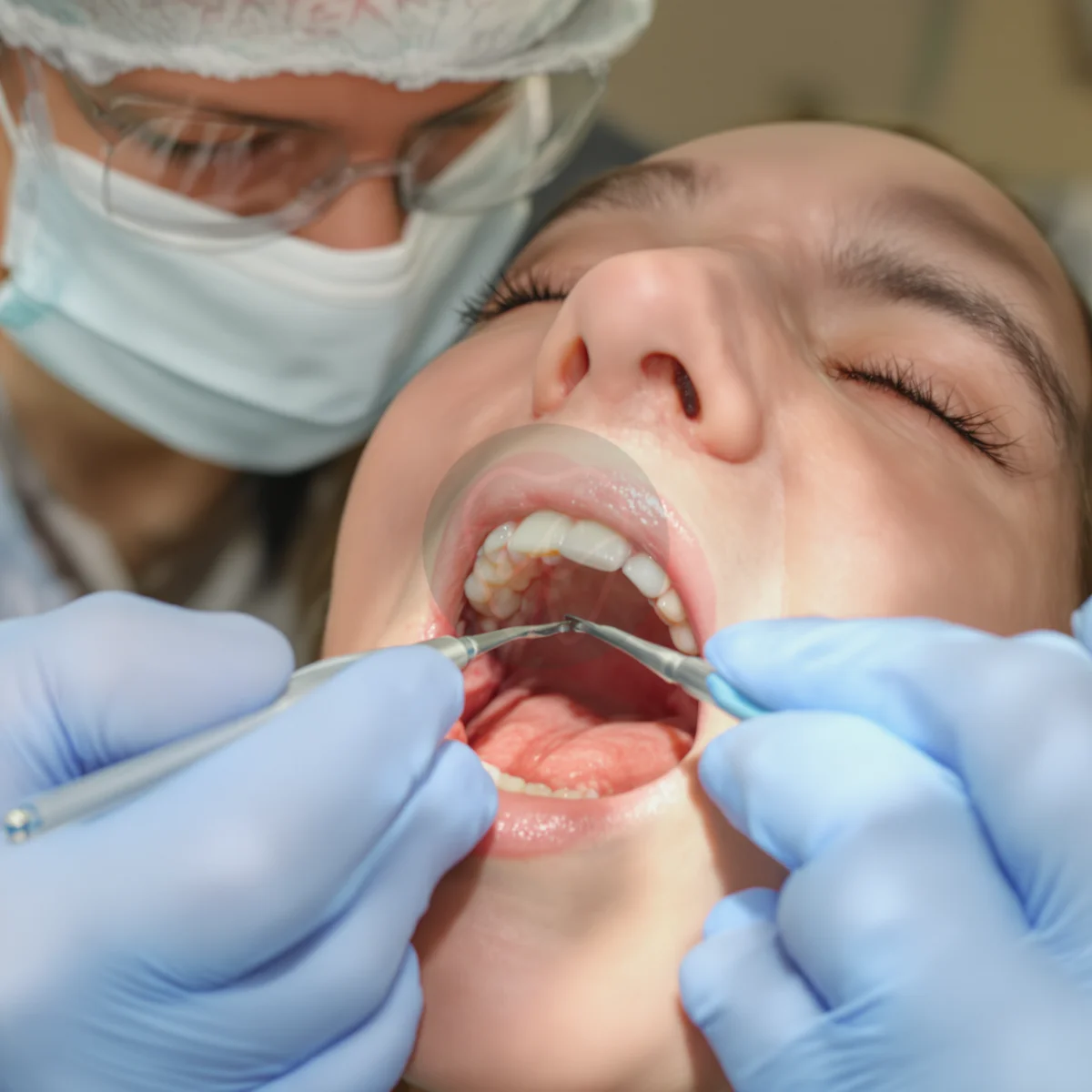
Tooth decay doesn't happen overnight. It creeps in over months, sometimes years, before you feel a thing. The process starts below the gumline or between teeth where a toothbrush barely reaches.
Stage One: The Quiet Start
Plaque - that sticky film you sometimes feel in the morning - contains bacteria like Streptococcus mutans. These bacteria feast on sugar and produce acid. That acid pulls minerals right out of your enamel. At this point, you might see a chalky white spot on the tooth. No pain. No hole. Just a warning sign that demineralization has begun.
The good news? This stage is reversible. Fluoride treatments or even consistent brushing with fluoride toothpaste can remineralize that spot. These spots can reverse in about 4-6 weeks with diligent care.
Stage Two: Enamel Breaks Down
If the demineralization continues, the enamel surface starts crumbling. Now you're looking at a visible cavity - a small pit or hole. Around 90% of adults have at least one cavity by age 40, according to CDC data. At this stage, the tooth decay is still confined to enamel. You might feel a twinge when eating something cold or sugary.
The treatment here is straightforward: a filling. The dentist removes the decayed enamel and fills the space with composite resin or amalgam. Most fillings take about an hour and cost between $150 and $400 in the US, depending on the tooth location.
Stage Three: Dentin Gets Involved
Below the enamel sits dentin - a softer, yellow layer packed with microscopic tubules. Once tooth decay reaches dentin, it spreads faster. Like water through a sponge. The pain becomes sharper and lingers after the cold stimulus is gone. Sensitivity to sweets also kicks in.
At this stage, tooth decay treatment still usually means a filling, but sometimes a larger one. The dentist needs to remove more structure. If the cavity is too wide, they might recommend an inlay or onlay - custom-made pieces that fit the tooth like puzzle pieces. These can run $650 to $1,200 per tooth.
Stage Four: The Pulp Takes the Hit
The innermost layer - the pulp - holds nerves and blood vessels. Bacteria finally make their way here, and the body responds with inflammation. This is pulpitis. It hurts. Not just twinges. Real, throbbing pain. Sometimes waking you up at night. Patients often describe it as "a heartbeat in the tooth."
Once the pulp is infected, the cavity is deep. A filling won't cut it anymore.
Can Mild Tooth Decay Be Reversed at Home?
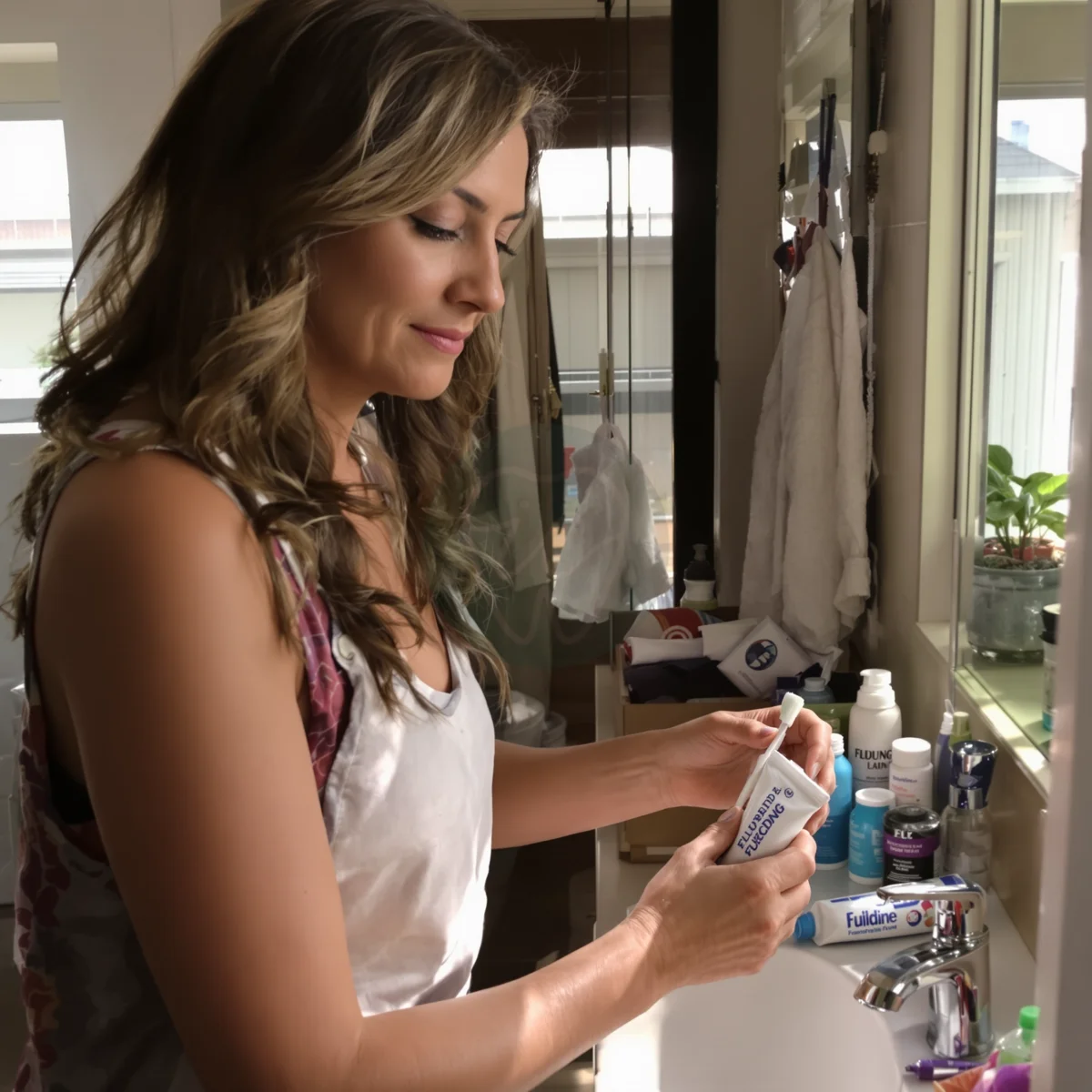
Here's the short answer: yes, but only under very specific conditions. Mild tooth decay at the demineralization stage - those chalky white spots you sometimes see along the gumline - can absolutely be reversed at home.
What "mild" actually means
At this point the enamel hasn't caved in yet. Minerals have leaked out because acids from plaque bacteria dissolved them, but the surface is still intact. Your saliva, with a boost from fluoride and good oral hygiene, can push those minerals back in. No drilling needed.
What won't work
Once a true cavity forms - a hole your dentist can probe - home remedies stop working. You can't regrow enamel that's physically gone. That's when you need professional tooth decay treatment like a filling or an inlay. Trying to "brush it away" at that stage will only make things worse.
How long does reversal take?
Most patients expect near-instant results. That's not how remineralization works. But others need 4 to 6 months. Patience matters more than effort here.
What actually helps
- Fluoride toothpaste with 1,000‑1,500 ppm. Use it twice a day. Don't rinse your mouth after brushing - let the fluoride sit.
- A fluoride mouth rinse (0.05% daily or 0.2% weekly) if your dentist recommends it.
- Cut sugar frequency. Five small sugary snacks a day are worse than one big dessert. Each acid attack lasts about 20 minutes.
- Xylitol gum. Chew 3‑5 pieces spread across the day. It boosts saliva flow and starves cavity-causing bacteria.
- Limit acidic drinks. Soda, fruit juice, and sports drinks soften enamel. Wait 30 minutes after drinking before brushing - otherwise you scrub away softened mineral.
- Prescription‑strength paste. If you're high‑risk (past cavities, dry mouth, braces), ask for a 5,000 ppm fluoride toothpaste.
- Soft‑bristled brush. Hard bristles wear down weakened enamel. Switch to soft or extra‑soft. Replace every 3 months.
Professional Treatment Options for Cavities
Fillings: The Standard Solution for Small Cavities
If the tooth decay hasn't eaten through the inner dentin or reached the pulp, a simple filling does the job. Your dentist numbs the area, drills out the rotten bits, and packs the hole with composite resin, amalgam, or sometimes glass ionomer. The whole thing takes about 30-60 minutes. Cost? Between $150 and $400 out-of-pocket in the US, depending on the tooth and material. Composite (tooth-colored) runs higher than silver amalgam. You can eat normally once the numbness wears off, maybe skip hard candy for a day.
Crowns: When a Filling Won't Hold
Once tooth decay spans more than half the tooth's width, a filling tends to crack or leak. That's when a crown-essentially a custom cap-is the right call. The dentist shaves down the tooth, takes a digital impression, and fits a temporary crown while the permanent one (ceramic, porcelain-fused-metal, or zirconia) is milled. Two visits, roughly 2-3 weeks total. Prices start around $800 and top out over $2,500 without insurance. If you're considering dental tourism, a crown in Turkey can run $250-$450-same materials, less overhead. Just factor in travel and post-op follow-up.
TreatmentWhen It's UsedTypical Cost (US)Time per Visit FillingSmall to medium cavity, no pulp involvement$150-$40030-60 min CrownLarge cavity weakened tooth structure$800-$2,500Two visits (2-3 weeks) Root canalDecay reaches pulp, infection present$700-$1,500 per canal1-2 visits, 60-90 min each ExtractionTooth non-restorable, severe infection$75-$300 per tooth20-40 minRoot Canals: Saving the Tooth from the Inside
When tooth decay reaches the nerve chamber, you're looking at a root canal. The dentist removes the infected pulp, cleans the root canals, and seals them with gutta-percha. Then the tooth usually needs a crown. Total price for a molar root canal plus crown can hit $2,000-$3,000. The procedure itself is no more painful than a filling-modern anesthesia handles it-but the tooth may feel tender for a few days. Honestly, delaying a root canal turns a salvageable tooth into an extraction case.
Extractions: The Last Resort
If the cavity has destroyed too much structure or the infection is severe, pulling the tooth is the safest route. Simple extractions cost $75-$300. surgical ones (impacted molars, tricky roots) run $225-$600. After an extraction, you'll want to discuss replacement-implants, bridges, or partial dentures-to keep nearby teeth from shifting. A note for international patients: extraction plus a basic implant in Turkey often costs less than a crown alone in the US.
Catching a cavity early means a $200 filling. Letting it ride doubles that, then triples it. The tooth decay treatment path is nearly always cheaper the sooner you step into the chair.
Treating Advanced Tooth Decay: Root Canals and Extractions
When tooth decay reaches the inner pulp, a standard filling won't cut it anymore. The infection has burrowed past enamel and dentin into the soft tissue housing nerves and blood vessels. At this stage, you're looking at two real options: a root canal or an extraction. Neither is fun, but one lets you keep the tooth.
A root canal essentially cleans out the infected pulp, disinfects the canals, and seals them off. The dentist numbs the area thoroughly, drills a small access hole, and removes the pulp with tiny files. That whole process takes one or two appointments, maybe 90 minutes each. Afterward, the tooth gets a crown - put aside another two weeks and roughly $800 to $1,500 for that, on top of the root canal itself.
The cost is the part most people trip over. A root canal on a front tooth runs about $700 to $1,000 in the US. A molar? You're looking at $1,200 to $1,800. Without insurance, those numbers pinch hard. That's why some patients lean toward extraction - pulling the tooth costs $200 to $400 for a simple one, $400 to $600 for a surgical removal. It's cheaper upfront, and the pain is gone fast.
But here's the thing. Pulling a tooth leaves a gap. The neighboring teeth start shifting into that space within months. Your bite changes. Chewing gets uneven. And replacing that tooth later with an implant or bridge costs $3,000 to $5,000 - far more than the root canal would have set you back.
Not every tooth is salvageable, though. If the tooth decay has destroyed too much structure or the tooth is cracked vertically, extraction is the only play. Your dentist will take an X-ray and poke around to decide. Either way, delaying treatment when the pulp is involved can lead to an abscess - swelling, bone loss, serious infection that lands you in the ER.
So the real choice isn't between a cheap fix and an expensive one. It's between solving the problem now and paying more later.
Tooth Decay Treatment for Children
Treating cavities in children follows the same stages as adults, but with a few twists. Primary teeth (baby teeth) still need treatment-ignoring decay in a child's mouth can cause pain, infection, and problems with the permanent teeth coming in underneath.
The go-to for small-to-moderate cavities is a tooth-colored composite filling. Costs run $150-$400 per tooth in the US, depending on location and the dentist's rates. For larger decay that reaches the pulp (the nerve), a pulpotomy (partial nerve removal) and a stainless-steel crown are often needed. That procedure usually lands between $400 and $900. If the tooth is severely damaged, extraction may be the only option-around $150-$300, plus space maintainer if the gap needs to be held open.
Children rarely sit still for long appointments. Pediatric dentists often use nitrous oxide (laughing gas) for anxiety, adding $50-$100. For very young kids or extensive work, general anesthesia may be recommended, which can add $1,500-$3,000. Don't skip treatment because of the price-untreated tooth decay treatment for children can lead to abscesses or speech delays.
Working out the budget? See turkey teeth cost. Fixed-price, all-inclusive packages — no surprise add-ons.