:no_upscale()/media/ic-dental/images/2026/03/2188bd29915a4501983011678565696c.webp)
:no_upscale()/media/ic-dental/images/2026/06/Dental-Implants-in-Turkey.webp)


How Much Do Dental Implants Cost in Turkey?
Let's get into the numbers. A single dental implant in the US runs you anywhere from $3,000 to $6,000. Sometimes more, depending on the specialist and whether you need extra work like bone grafting. In Turkey, the same package, titanium fixture plus porcelain crown, comes in around $1,000 to $1,800. For the wider picture, see our breakdown of implant types and costs in Turkey.
That's not a discount. It's a different cost structure altogether. Lower overhead (less regulatory paperwork)plus high-volume clinics, that's how the price break stays real. I've seen quotes for a full mouth restoration, 10 to 14 implants plus bridges, go for $12,000 to $18,000 in Istanbul or Antalya. The comparable job in New York or Los Angeles would clear $50,000 without blinking.
What you actually get for that price
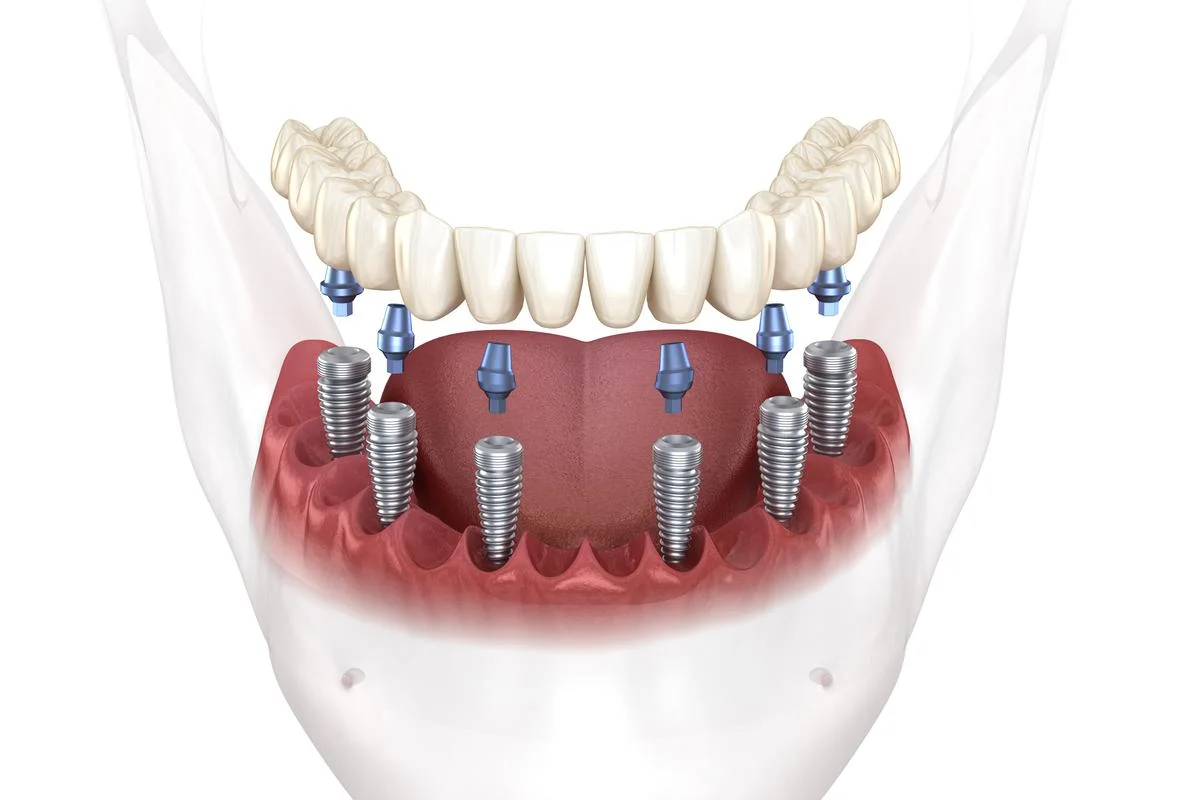
Most clinics bundle everything into a single package: the consultation, 3D CT scan, implant surgery, abutment, and crown. A few clinics throw in sedation or a local round-trip transfer. But not all packages are equal, and a few common line items to watch for.
The implant brand, Straumann and Nobel Biocare cost more than a generic Korean or Turkish brand. Ask which one you're getting.
Bone grafting, if your jawbone has thinned out, grafting runs $300 to $800 per procedure. It's often charged separately.
Temporary teeth, you'll wear temporaries while the implants heal, and some clinics include them at no extra charge. Others charge $200-$500 extra.
Post-op care, one or two follow-ups should be included in the package. Ask about a remote checkup plan if you're flying back home.
Why the range matters
A $1,000 implant in Turkey can be a great deal, or a headache waiting to happen. The difference usually comes down to the surgeon's experience and the lab that makes your crown. A clinic that's done 500+ all-on-four cases handles complications differently than one that's done 50.
I'd start by getting itemized quotes from at least three clinics. Compare the total cost, not the per-implant price. Take a clinic that charges a flat $12,000 for a full-arch case, that might actually be cheaper than one quoting $800 per implant but adding $4,000 for scans, grafting, and sedation.
For a single implant, that's where I'd start asking.
Is Turkey a Good Place for Dental Implants?
I understand why you're asking. Turkey has become a magnet for dental tourism, around 200,000 medical tourists came for dental work just last year. But whether it's a 'good place' depends on what you're after. Compare that with botched dental work in Turkey.
For pure cost savings, it's hard to beat. A full mouth of implants that'd run $40,000-$60,000 in the U. S. comes in at $8,000-$12,000 in Istanbul or Antalya. That package covers the titanium implants-Straumann or Nobel Biocare-the abutments (the crowns)and in some cases even a week at a hotel. I've had patients show me invoices that surprised me more than I expected.
But price alone isn't what makes it good, and what actually matters is the clinic's accreditation. Roughly 60 dental clinics in Turkey hold Joint Commission International (JCI) accreditation-the same gold standard you'd see at Johns Hopkins. That's not a trivial detail. JCI means sterile protocols, proper anesthesia monitoring, and surgeons who speak English.
Then there's experience. Turkish oral surgeons place around 1.5 million implants a year collectively, they've dealt with every bone density issue, every sinus lift complication. The idea that repetition builds reliability feels like a cliché until you watch a surgeon finish a full-arch in under three hours with zero bleeding.
Still, it's not all rosy, and you fly home 5-7 days after surgery. If something flares up at week three, you're not hopping back on a plane. Most good clinics team up with a local dentist in your city for follow-ups. Ask for that name before you book.
Language? Minor hurdle. The best clinics assign a patient coordinator who speaks fluent English and handles everything from airport pickup to explaining aftercare.
So is Turkey a good place? If you vet the clinic - JCI (surgeon's case volume)post-op plan - then yes, it's a solid option for dental implants in Turkey. If you're shopping on price alone, you're gambling on your jawbone.
Understanding the 3/2 Rule for Dental Implants
If you're missing three teeth in a row, the standard clinical guideline is the "3/2 rule": two dental implants support a three‑unit bridge. That ratio isn't arbitrary. So the rule balances bone anchorage against the prosthetic load. One implant per adjacent missing tooth is overkill. One implant for three teeth risks overload. Two implants give enough surface area to support a fixed bridge that lasts 15‑20 years with good care.
For someone looking at dental implants in Turkey, this rule directly affects what you'll pay. Fewer implants mean lower costs, and surgery time drops too, and recovery is shorter. A two‑implant, three‑unit bridge in a Turkish clinic typically runs $2,500‑$3,500, all inclusive. The same work in the US would cost $8,000‑$12,000. But the rule isn't just about money. It also shapes your treatment timeline. Two implants can often be placed in a single session, then after a three-month osseointegration period the bridge goes on. Many patients assume three missing teeth means three separate implants and end up paying for hardware they don't need.
What if the gap is four teeth?
Dental Implants and Autoimmune Disease: What You Should Know
If you have an autoimmune condition like lupus, rheumatoid arthritis, or type 1 diabetes, dental implants in Turkey aren't automatically out of reach. But it demands extra steps and honesty about the risks.
Autoimmune diseases often involve chronic inflammation and slower healing, and implants rely on osseointegration: the bone fusing with titanium. When your immune system is overactive or healing pathways are blocked, that fusion can struggle. For autoimmune patients, that drops to 80-90%, depending on how well the condition is under control. That gap matters.
What does this look like in Turkey? A lot of reputable clinics ask for a letter from your rheumatologist or endocrinologist before they schedule surgery. Some outright won't take patients with an uncontrolled condition. Don't be that person.
A smart prep looks like this:
Blood work done state-side, check inflammatory markers (CRP, ESR), autoimmune activity (ANA titer), and kidney function. Results should be no older than 30 days.
Medication review, corticosteroids and immunosuppressants such as methotrexate or biologics slow down healing. Some Turkish clinics adjust their protocols (extra antibiotic coverage)longer gaps between visits, delayed implant crown loading.
Pick a clinic with specialist experience, look for an on-site periodontist or oral surgeon who handles at least 20 autoimmune cases annually. Ask to see before-and-after records.
Ask about sedation protocols, some biologics can interact unpredictably with standard sedatives. In Antalya and Izmir, clinics tend to use lighter IV sedation for these patients.
Plan for extra recovery, budget 10-14 days in Turkey instead of the usual 5-7. Your body needs that buffer.
Get a written guarantee, some Istanbul clinics offer a 12-month warranty if the implant fails to integrate with the bone. That's rare. Push for it when you negotiate.
Infection Risk and Antibiotic Strategies
Autoimmune patients carry a 10-15% higher risk of peri-implantitis, an infection around the implant that can kill the bone bond. Turkish clinics compensate with extended prophylactic antibiotics. Standard protocol is 5 days of amoxicillin before surgery, then 7 days after. Patients on biologics typically get switched to clindamycin to dodge drug interactions. At a clinic I visited in Kadıköy, the surgeon said they run a full-mouth bacterial culture on every autoimmune patient before starting. If you have untreated periodontitis, the implant gets delayed until the gums are stable. That's not standard practice everywhere, and it should be.
Cost Breakdown and Healing Timelines
Here's what the numbers look like for autoimmune patients in Turkey. The table below compares a typical implant journey, stable RA versus uncontrolled lupus. The price covers the implant (the crown)and two follow-up visits.
ParameterStable RA (controlled) Uncontrolled lupus Success rate (1 year)88-92%78-84% Osseointegration time4 months6 months Total cost (single implant)€550-€750€700-€950 Extra antibiotic days12 days21 days Recommended minimum stay10 days14 days
You'll notice the price difference, about 200 euros more for the uncontrolled group. That comes from longer antibiotic courses and higher lab monitoring, on top of the clinic's risk buffer. At a 2024 dental symposium in Izmir, a clinic director presented data on 140 autoimmune implant patients. Their uncontrolled subset had a 22% early-failure rate, and the controlled group? 11%. Those numbers push many Turkish clinics to accept only patients with stable disease. Eight months of prep, but three years in and the implant's still solid.
How Long Do Dental Implants Last?
Around 20 years. That's the ballpark most studies land on-for a well-placed implant in good bone with solid habits. But that's the best-case scenario. Some fail within a decade. Others push past 25 and keep going. It's less about the implant and more about what you do with it-and who placed it.
Here's what actually determines longevity.
The implant brand matters-that's a given, and take Nobel Biocare or Straumann-decades of data back them up. But a cheap implant placed perfectly by a skilled surgeon will outlast an expensive one set by someone who rushed the prep. Technique beats hardware every time. In Turkey, many clinics use the same premium brands you'd find in the US. TitaniumFix, for instance, runs about $150-$250 per implant in Turkey versus $600+ stateside. Same alloy, same factory standards.
Bone quality is the real wildcard. If your jawbone is thin or soft after years of missing teeth, there's not much for the implant to latch onto. The best surgeons are blunt about it-without a bone graft first, not everyone qualifies. A proper evaluation takes 30 minutes, not 5.
Aftercare is just as important as the surgery itself. Dental implants don't decay, but the surrounding gum can get infected-that's peri-implantitis. Around 20% of implant patients develop it within 10 years if they skip regular cleanings. Don't skip the basics: brushing (flossing)and a six-month checkup. A deep clean fixed it, and he'd been ignoring it for months.
What about the crown on top, and porcelain fused to metal chips faster than zirconia does. Zirconia crowns in Turkey run $200 to $400. They handle chewing forces better and don't leave that dark gum line near the metal. If you're already booking the trip, worth the upgrade.
The lifespan question comes down to the clinic you choose, one that does proper pre-op imaging and uses known implant brands, with a written warranty to seal the deal. Many Turkish clinics offer 5-10 year guarantees on implants. That's a solid signal. If the warranty is zero, walk away.
I'd argue the smartest move is to ask for the implant paperwork, brand and lot number, plus the insertion date. Keep a copy. That way, if something goes wrong five years later, your local dentist in the US can identify the exact component. More patients than you'd think skip this step.
Stay on top of cleanings. That'll matter more than anything else.
Working out the budget? See dental treatment cost in Turkey. Fixed-price, all-inclusive packages — no surprise add-ons.