:no_upscale()/media/ic-dental/images/2026/03/2188bd29915a4501983011678565696c.webp)
:no_upscale()/media/ic-dental/images/2026/10/dental-implants-turkey-cost-types-guide-1600.webp)


Quick answer: Dental implants in Turkey cost around £350–£650 per single implant or £3,000–£6,000 for a full arch—roughly 70% less than the UK.
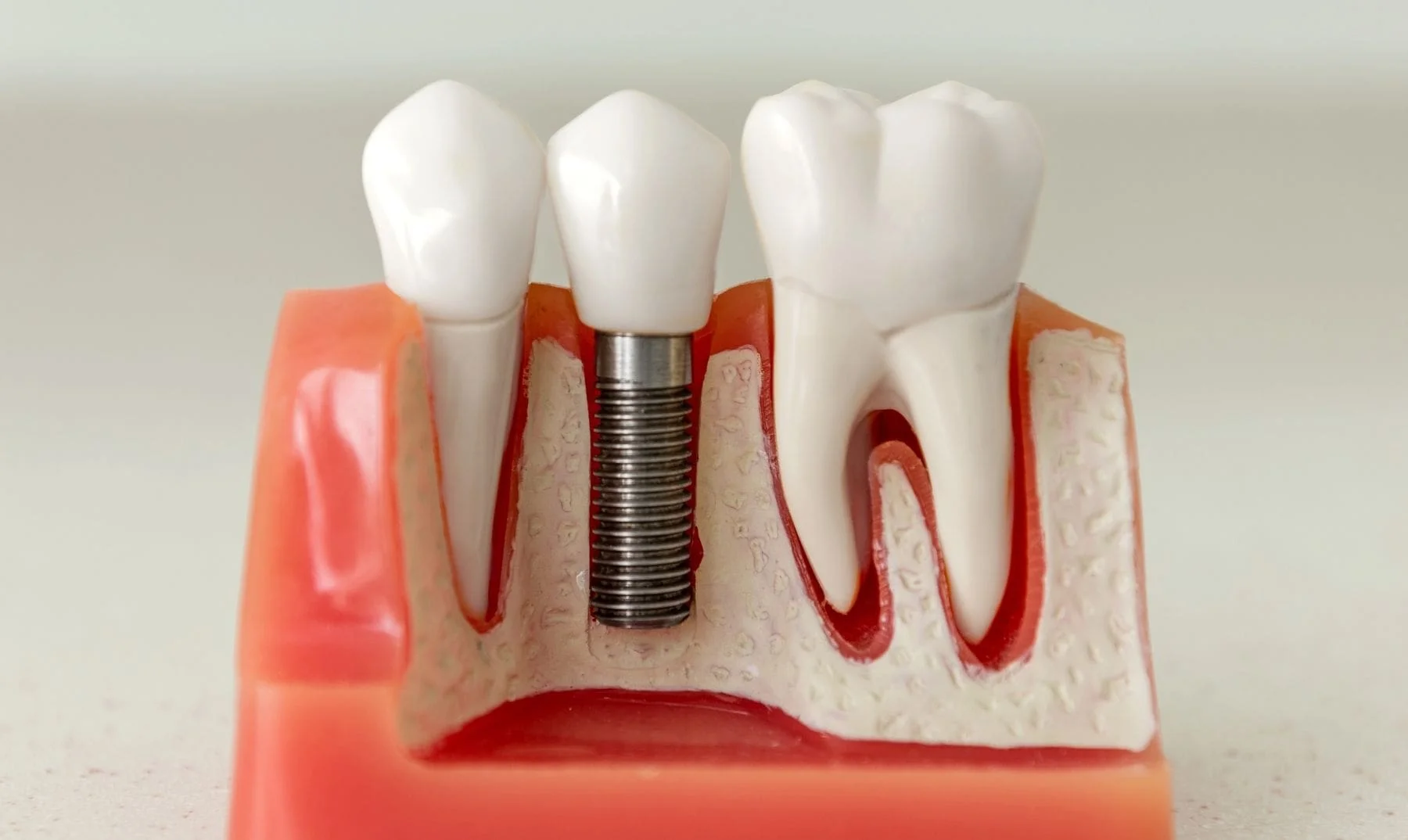
Many international patients now travel for affordable, high-quality dental care, and understanding the full picture—cost, implant types, clinic standards, and recovery—makes the decision far less daunting. This guide walks through everything you need to know about dental implants turkey clinics provide, from pricing tiers and implant materials to healing timelines and long-term maintenance. There's more detail in our guide to the risks of cheap dental treatment in Turkey.
How Much Do Dental Implants Cost in Turkey?
Let's get straight to the numbers. A single titanium implant with a porcelain crown in Turkey typically runs between £350 and £650 - that is the all-in figure, including the surgery. In the UK, you are looking at £2,000-£3,000 for the same thing. The gap is not small.
Full-mouth work changes the arithmetic. If you need an entire arch - say 6 to 8 implants with a fixed bridge - clinics in Istanbul, Antalya or Izmir quote roughly £3,000 to £6,000. A comparable case in London or Manchester? £15,000 to £25,000. That is a 70-75% saving, and it's why roughly 200,000 medical tourists land in Turkey each year for dental work.
The breakdown matters. Clinics here usually price in three layers:
- The implant fixture itself - the screw that goes into the bone. Most use brands like Straumann, Nobel Biocare or local equivalents that meet EU standards. Expect £130-£250 per implant for the fixture alone.
- The abutment - the connector piece. Around £40-£80.
- The crown - the visible tooth. Zirconia costs more than porcelain-fused-to-metal, roughly £180-£320 per unit.
Package deals bundle the lot. A common offer: "all-on-4" full-arch for £4,500, which covers implants, abutments, a temporary bridge and the final definitive bridge six months later. You'll want to confirm that the final bridge is included - some quotes sneak in a separate charge for that last step.
Why is it cheaper? Not because the quality is lower. Turkish labs pay less for rent and labour. A skilled dental technician in Istanbul earns about a quarter of what a London technician earns. Materials are the same - you are buying the same Grade 5 titanium that a Swiss factory stamps out. The clinic overheads are just lower.
One woman from Birmingham paid £5,200 for 10 implants and zirconia crowns. Her quote back home? £18,000. She stayed a week, did sightseeing, and still pocketed the difference.
Hidden costs to watch for: CBCT scan (3D x-ray) - some clinics include it, others charge £60-£120. Bone graft if you need it - £250-£500 per site. And travel: flights from London to Istanbul run about £150-£250 return. A hotel near the clinic? £40-£70 per night for a decent room. Add these in and you're still well under half the UK price.
Below is a quick comparison for clarity:
| Treatment | Turkey | UK |
|---|---|---|
| Single implant + crown | £350-£650 | £2,000-£3,000 |
| All-on-4 (full arch) | £3,500-£5,500 | £12,000-£20,000 |
| Bone graft per site | £250-£500 | £500-£1,200 |
| 3D scan | sometimes free | £150-£300 |
Most patients save enough to cover the flights and hotel twice over.
Is Turkey a Good Place for Dental Implants?
Honestly, for many UK patients the short answer is yes - provided you do your homework first. The numbers speak: a full set of implants in Turkey can run £2,500-£4,000, while the same work in London or Manchester sits north of £15,000. That gap is real, and it's not about cutting corners. The savings come from lower overheads, not lower standards.
Most Turkish clinics catering to international patients are accredited by bodies like JCI (Joint Commission International). They use the same implant brands you'd get in the UK - Straumann, Nobel Biocare, Zimmer. Surgeons are typically oral and maxillofacial specialists who place hundreds of implants each year. That volume alone sharpens their technique.
Regulation is handled by the Turkish Ministry of Health, which has tightened rules in the last few years. Clinics must hold an operating permit, and sterile protocols are now on par with European norms. Still, accreditation varies. You'll want to check for ISO 9001 or JCI certification, and look for real patient reviews - not just the ones on the clinic's own site.
What's the trade-off? You'll need two trips, each about a week long, with a 3-6 month gap between them. Healing timelines are the same as anywhere - immediate implants can speed things up, but standard osseointegration still takes months. Stick to reputable providers, and the fit and finish match UK work.
None regretted the decision, but they all emphasized one thing: vet the clinic like you'd vet a UK surgeon. Ask for the implant brand, the surgeon's CV, the lab that makes the crowns. A good clinic will share everything.
Bottom line? Turkey can deliver high-quality dental implants at roughly a third of the UK cost - but only if you pick a clinic that treats the process as seriously as any Harley Street practice would. That takes research, but it's research that pays back quickly.
Full Mouth Dental Implants in Turkey: What to Expect
Full mouth work changes the maths entirely. Instead of replacing one tooth at a time, you're effectively rebuilding an entire arch - or both arches - in a single treatment plan. The difference isn't just cosmetic. It changes how the whole process feels, from the first scan to the final screw.
Turkey has become a major destination for this exact reason. Clinics in Istanbul, Ankara, and Antalya routinely handle cases that UK dentists might refer to a hospital. A handful of implants - usually four to six per jaw - will carry a full bridge. That's the whole setup. No removable denture, no gaps, no waiting months between appointments.
The process, step by step
Most full mouth cases in Turkey follow a two-stage surgery. First visit: extractions if needed, bone graft where the jaw has thinned, and placement of the implants themselves. You walk out with a temporary bridge - fixed, not removable - that lets you eat soft food the same day. That temporary stays for four to six months while the implants fuse to the bone.
Second trip: swap the temporary for a permanent zirconia or porcelain-fused-to-metal bridge. The whole thing, start to finish, takes about five to ten days in-country, spread across two visits spaced months apart. That's the bit that surprises most patients. They assume it's done in one go. It's not. The bone needs time.
What the costs actually look like
Pricing for full mouth dental implants Turkey clinics quote varies by material and the number of implants. A single-arch fixed bridge on four implants runs roughly £3,000 to £5,000 in a reputable clinic. Both arches - the full case - lands between £6,000 and £8,500. Compare that to £20,000-£30,000 per arch in London or Manchester, and the arithmetic gets simple.
That said, cheap full mouth work is a bad bet. If the quote comes in under £2,500 for a full arch, something's being cut - shorter implants, non-certified materials, a lab that doesn't test the zirconia. Smart shoppers check the implant brand (Straumann, Nobel Biocare, or a good Korean alternative like Osstem) and ask for a written warranty, usually five to ten years.
Recovery and eating after full mouth implants
First week is rough. Swelling peaks around day two or three. Ice packs, soft diet, no straws. By day seven, most patients are back to work - remotely, in many cases, since they're still in Turkey. By week three, the temporary bridge feels normal enough for pasta, fish, chopped vegetables. Hard foods like nuts or crusty bread wait until the permanent bridge is in place.
How Long Do Dental Implants from Turkey Last?
I get asked this constantly at clinics. The honest answer: a well-placed implant from a skilled surgeon in Turkey can last 20-25 years, sometimes a lifetime. But that depends on three things - the implant brand, the surgeon's experience, and what you do afterwards.
Most Turkish clinics use premium brands like Straumann (Swiss) or Nobel Biocare (Swedish). Those carry a 10-15 year manufacturer warranty, but patients routinely hit 20+ years with proper care. Cheaper brands? You might get 10-12. Always check what brand your quote includes. A £600 all-in package using a no-name implant isn't a bargain if it fails in five years.
Your own habits matter more. Smoking cuts implant life by roughly 30-40%. Poor oral hygiene invites peri-implantitis - the implant version of gum disease. On the flip side, a 65‑year‑old patient in Ankara who brushed diligently had his implants click at 20 years and counting.
Then there's the bone quality. Turkey's clinics often use advanced CBCT scans to map bone density before placing. That upfront work reduces early failure - the first year is the riskiest. After osseointegration (the bone fusing to the implant), failure rates drop below 2% per year.
So how long do dental implants from Turkey last? With a solid brand, a competent surgeon, and your own upkeep, expect 20-25 years. Maybe forever. Just don't treat them like you treat your natural teeth - they need the same care.
Who Can Get Dental Implants? Autoimmune Disease and Other Considerations
Not everyone is an automatic candidate for dental implants - autoimmune disease or other health factors can change the picture. Take uncontrolled diabetes, for instance. A patient with HbA1c above 7.5% faces significantly higher failure rates because healing is slower and infection risk climbs. Similarly, rheumatoid arthritis or lupus, especially when active or treated with high-dose steroids, can mess with bone integration. But here's the thing: well-managed autoimmune conditions don't always rule you out. I've worked with patients whose rheumatologist signed off once their disease was quiet, and the implants held fine.
Bone density is another big one. If you've had significant jawbone loss - common after years of missing teeth - you may need a bone graft before implants. Smoking? It roughly doubles the implant failure rate. And bisphosphonate drugs (used for osteoporosis) carry a real risk of jaw necrosis if you're on them long-term. Your surgeon needs to know the exact drug and duration. Recent chemotherapy or radiation to the jaw can also delay or prevent placement.
When you're looking at dental implants turkey, clinics there follow the same medical screening you'd get in the UK. They'll ask for blood work, a cone-beam CT scan, and a full health history. If you have an autoimmune condition, they'll often coordinate with your GP or specialist back home before proceeding. It's not a blanket "no" - it's about individual risk versus benefit.
Honestly, most people qualify once the medical team is happy. The assessment is straightforward but thorough.
Frequently Asked Questions
How much do dental implants cost in Turkey?
A single titanium implant with a crown typically costs £350–£650, while a full arch of 6–8 implants with a fixed bridge runs £3,000–£6,000.
Are dental implants in Turkey painful or safe?
Placement is done under local anaesthetic, so the procedure itself is painless; mild soreness, swelling, and bruising for a few days afterward are normal and manageable with standard painkillers.
How long does dental implant treatment take?
Most cases need two trips to Turkey. The first visit (about 3–5 days) covers assessment, extractions if needed, and implant placement. After a 3–6 month healing period for osseointegration, you return for a few days to fit the permanent crowns. Same-day "teeth in a day" options exist for suitable candidates.
How long do dental implants last?
With good oral hygiene and regular check-ups, the titanium implant fixture can last 20 years or a lifetime, as it fuses permanently with the jawbone. The visible crown usually lasts 10–15 years before it may need replacement due to normal wear. Smoking and untreated gum disease are the main factors that shorten implant lifespan.
Working out the budget? See turkey teeth cost. Fixed-price, all-inclusive packages — no surprise add-ons.