:no_upscale()/media/ic-dental/images/2026/03/2188bd29915a4501983011678565696c.webp)
:no_upscale()/media/ic-dental/images/2026/06/Jennifer-Lawrence-Gum-Causes-and-Clinical-Treatments.jpeg)


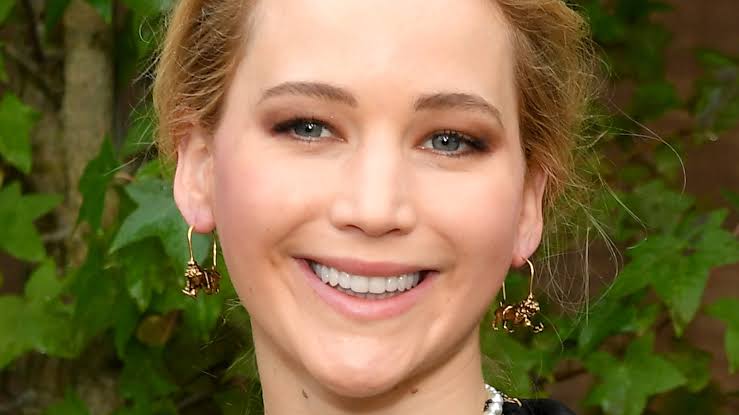
The Appeal of Jennifer Lawrence's Smile and Gums
You've seen the photos. That wide (unreserved smile)the one with a noticeable band of gum above the teeth. For years, people questioned whether Jennifer Lawrence's gum show was a flaw worth fixing. The short answer: not even close. Her smile sparked conversations because it broke the stuffy, closed-mouth Hollywood mold. It reads as genuine (unguarded)the kind of smile that doesn't calculate the angle.
What makes it work, and the gums are only part of the equation. The balance comes from full, well-aligned teeth and how much gum shows. Most cosmetic dentists peg the ideal gum exposure at 1-2 millimeters. Lawrence's smile reveals about 3-4 mm of gum tissue, give or take a millimeter depending on the photo. That extra millimeter or two doesn't look overdone-her teeth are broad and her lip line has a clean curve. The gum tissue is healthy-pink and even, with no signs of inflammation. And that matters. Gum health gives the smile a clean, healthy backdrop.
If you're already looking into treatment, her smile offers a practical benchmark. So a gummy smile isn't automatically a problem. Whether to treat depends on function and how you see yourself, not on fitting a single ideal. Some want less gum show for comfort or confidence, and others, like Lawrence, let it define their charm. That's okay. Treatment isn't about erasing every millimeter of gum. It's about a balanced, healthy smile the patient actually likes. Compare that with gummy smile treatment costs.
Here are three things her smile shows about the jennifer lawrence gum aesthetic:
Proportion beats perfection, the tooth-to-gum ratio can wander a fair bit and still come off attractive if the overall structure works.
Gum health is non-negotiable, red, swollen tissue would wreck that same look. Her gums are in top shape.
Confidence carries the smile, she never hides it. That alone makes it appealing.
When you look at before-and-after photos of gum contouring or crown lengthening, keep her in mind. The best outcome isn't a sterile, zero-gum design. It's a smile that still looks like yours, just a little more comfortable and a little more you. The jennifer lawrence gum effect is a good reminder: a little extra gum can be an asset.
Why Did Jennifer Lawrence Get Veneers?
Jennifer Lawrence didn't get veneers because Hollywood demands perfect teeth, she had a real dental issue to solve. The actress has always had what dentists call a 'gummy smile', more gum tissue shows above her teeth than average. That's part of why her smile has so much energy. But it also made her teeth look short, especially in photos. Veneers solved that.
Think about what porcelain veneers do. They're thin shells that bond to the front of your teeth. A cosmetic dentist with the right technique can trim and contour that gum to stretch the visible tooth. Longer veneers balance the gum-to-tooth ratio, they pull the eye to the tooth surface instead. The result? A smile that doesn't scream 'work done', it just looks better proportioned.
Here's something else about that look. Lawrence's 'beauty mark' gum, that little pink strip that appears when she smiles, became part of her brand. Fans know that look. Good cosmetic work doesn't erase it. It reframes the whole thing. Veneers make the whole arrangement look intentional, not accidental.
From a treatment angle, this wasn't about fixing damage, and she wasn't hiding a broken tooth or covering decay. This was purely about reshaping proportions. Porcelain veneers let her keep her signature smile and dial back the gum dominance. This overlaps with what we cover in Zendaya's veneers.
A gummy smile treated with veneers, that's real-world cosmetic dentistry. It directly addressed Lawrence's specific problem.
Gum Contouring and Dentistry Insights
For a viscid smile like Jennifer Lawrence's, gum contouring is the procedure most people bring up. The procedure isn't simply snipping away gum tissue, that's the oversimplified version. Based on conversations with periodontists, the actual process starts with diagnosis. What the surgeon measures is the ratio of tooth height to gum exposure. A normal clinical crown measures about 10 to 12 mm in length. In a gummy smile, there's 4 mm or more of gum above that.
Under local anesthetic, the procedure itself takes 30 to 90 minutes. Tools vary, and some dentists use a scalpel. Others use a soft-tissue laser (less bleeding)quicker healing. Recovery runs about 3 to 7 days of mild swelling. Soft foods are eaten by You the first day back to normal by day four. Most patients say the whole thing feels less intense than a deep cleaning.
This is where the dentistry insight really matters, and gum contouring isn't the only route. If the gums are thick and overgrown from inflammation, gingival hyperplasia, a crown lengthening might sort it out. But if the smile shows lip hypermobility, the lip lifts too high, contouring alone won't do the job. That's where Botox or surgery on the lip muscle steps in.
Tooth position is another factor. When the teeth are naturally short, they erupted less than normal, adding a porcelain veneer or crown after contouring creates better proportion. Some dentists combine laser contouring and digital scanning in the same appointment, then deliver the veneers 10 days later. That overlapping front look (the one people call the Lawrence teeth)you can actually recreate that with laminates.
A 2023 survey from the American Academy of Periodontology found nearly 27% of gummy smile cases needed more than one procedure to correct. There's no single fix fits every case.

Common Questions About Jennifer Lawrence's Health and Personal Life
When people look for " jennifer lawrence gum, " what they unremarkably want to know is whether her smile always looked that way or if something shifted over time. Pulling those questions apart one at a time makes more sense.
Did Jennifer Lawrence have a gummy smile before?
Early red-carpet photos from her Hunger Games days show a moderate gum exposure when she smiled wide, probably in the 4-6 mm range. That's not extreme by any standard. But around 2013-2014, people started noticing her smile line sat a bit lower. It was subtle. Could have been natural aging, gums often recede a little through the twenties, or maybe a cosmetic adjustment. A tiny Botox injection in the lip elevator muscles can lower the upper lip by 1-2 mm, cutting gum show without going under the knife. Whether she actually had that done? Only her cosmetic team knows.
Can gum recession fix itself?
Short answer: no. Gums don't grow back once they've pulled away from the tooth. If recession has exposed the root, it stays exposed unless you do something about it. Inflammation can hide the recession underneath. A person with healthy gum tissue around the recession might not notice it for years. But the bone underneath keeps shrinking quietly. That's the part people miss, gum recession is actually a bone-loss problem that the gum is just following. For the wider picture, see our breakdown of how gum recession is treated.
What's the most common treatment for a gummy smile?
Depends on why the smile is gummy in the first place. Three root causes, three different fixes:
Muscle-driven, the hyperactive upper lip raises too high. Treat with Botox (lasts 3-4 months) or surgical lip repositioning (permanent).
Bone-driven cases: the upper jaw outgrows its vertical space, and that calls for orthognathic surgery. It's rare and expensive, running $25,000 to $50,000.
Tooth-driven cases mean teeth that are normal-sized but appear short. Crown lengthening trims back gum tissue and a little bone to reveal more tooth.
Most patients (though)land in the muscle-driven group. A Botox session runs $200 to $400 and takes about ten minutes.
Should I be concerned about Jennifer Lawrence's health because of her gums?
Zero concern. Visible gum when you smile is about aesthetics, it doesn't signal a health problem. The real health concern is gum disease: bleeding (swelling)and pocket formation, not just a bit of pink tissue showing. Actors get scrutinized for details most people never think twice about. Every public appearance shows Lawrence's smile looking perfectly healthy.
How long does recovery take after gummy smile surgery?
After crown lengthening, plan on about 7-10 days before you can eat normally.
Key Takeaways for Dental Professionals
Excessive gingival display, what patients search for as "Jennifer Lawrence gum", isn't just a cosmetic afterthought. For many, it drains confidence every day. Dental professionals need to pinpoint the three main drivers before picking up a scalpel or laser.
Systematic diagnosis comes first, and passive eruption is responsible for roughly 30% of gummy smiles. Hyperactive upper lip makes up another third. Key measurements include crown length, lip length at rest, and dynamic lip elevation. Less than 10 mm of clinical crown at the midline points to delayed passive eruption. Lip elevation beyond 8-10 mm on smiling suggests hyperactive elevator muscles. Not every case calls for immediate surgery.
Second, don't jump straight to surgery for every case. Botulinum toxin injected into the levator labii superioris alaeque nasi-that's the muscle at the side of the nose-can drop the lip lift by 1-3 mm for about 4-6 months. It's reversible and low-risk-plus the patient gets to test-drive a lower gum line. Warn them: it won't fix skeletal excess or short teeth.
When grafting is indicated-say, 3 mm or more of exposed gum-opt for a submucosal approach. For the graft, go with AlloDerm or palatal connective tissue-both sit well in a pouch. Stitch it with 6-0 chromic gut. In my practice, I tell patients the real visibility kicks in around week 3. Swelling hits its peak at 48 hours, and full contour settles by three months.
Prevention starts with conversation, that's point four. Many patients clench or habitually push their lower lip upward. A simple awareness exercise (placing the tongue on the palate and relaxing the upper lip) reduces chronic pull in about one in five cases. Show them in the chair. Takes ten seconds.
Realistic expectations subject, and the ' Jennifer Lawrence gum ' treatment isn't a one - and - done deal. With lip repositioning surgery, about 20-30% of patients experience some relapse within two years. Crown lengthening results are permanent. Combination therapy tends to give the longest-lasting satisfaction.
Want the full picture? See our turkey teeth: techniques, medical team, packages and results, all in one place.
Working out the budget? See dental treatment cost in Turkey. Fixed-price, all-inclusive packages — no surprise add-ons.