:no_upscale()/media/ic-dental/images/2026/03/2188bd29915a4501983011678565696c.webp)
:no_upscale()/media/ic-dental/images/2026/06/Screwless-Dental-Implants-Cost-Procedure-Overview.webp)


What Are Screwless Dental Implants?
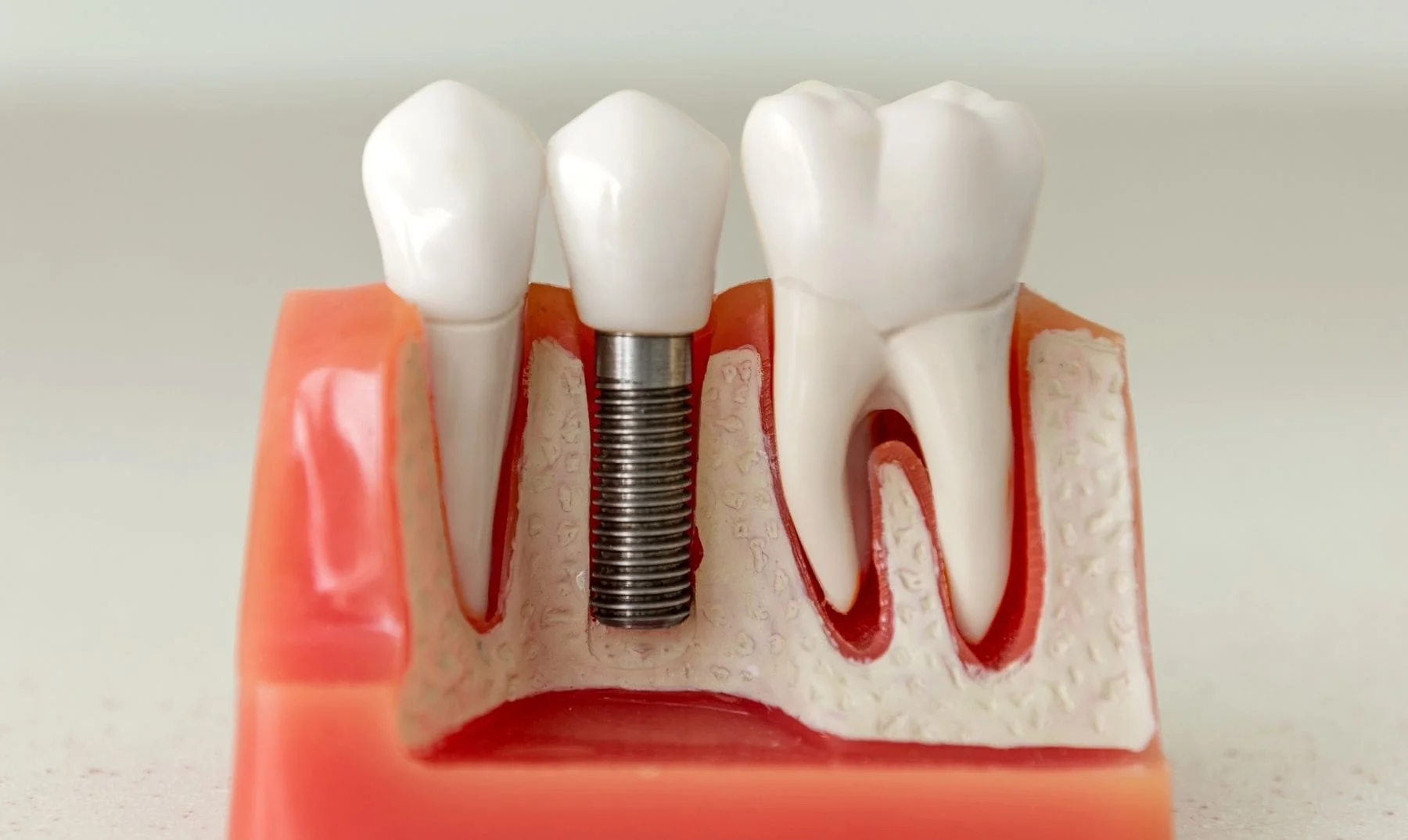
I've placed a fair number of both conventional and screwless dental implants over the years, and the first thing patients notice is the terminology itself. Screwless dental implants work by replacing the traditional screw-retained connection with a friction-fit or snap-on mechanism.
How They Differ From Standard Implants
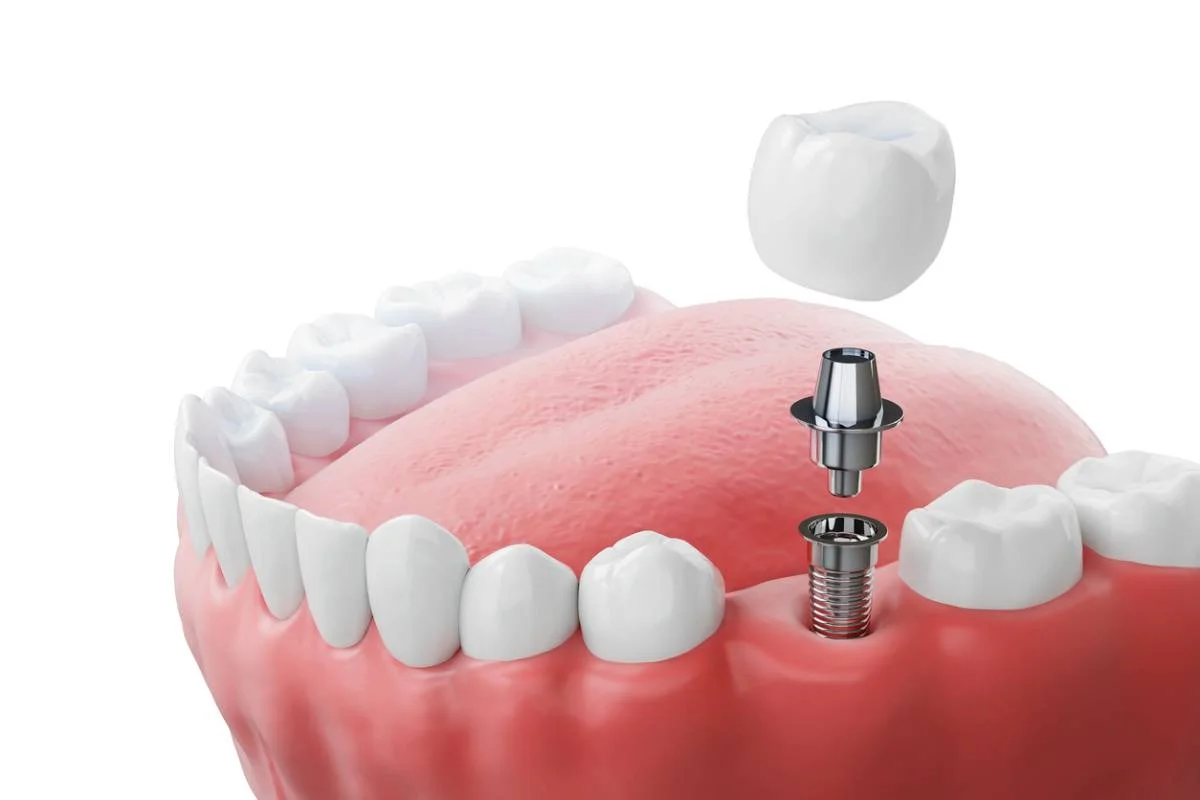
A regular implant has a visible screw hole in the crown, which your dentist covers with composite after tightening. The screw less type skips that step entirely. The abutment - the piece connecting the crown to the implant body - locks into place mechanically or via press-fit friction. Look, no tiny screwdriver. No access hole to fill later.
This matters for two reasons. The crown becomes a single solid piece-no weak spot where a filling would go. And the connection? Tighter.
Who Actually Qualifies
Candidate? Not every case. Bone quality matters. It has to be dense enough to take the extra insertion force during placement. Think lower jaw or healed extraction sites. Surgeons stick with threaded screws for softer bone. For the right patient (though)screwless designs cut procedure time by about 15 minutes and deliver a simpler smile. And no loose screw later.
Patients hear me say it's like comparing a cabinet handle screwed into particleboard to one with a cam lock. The door stays shut longer.
Cost Comparison: Screwless vs Traditional
FactorScrewless ImplantTraditional Screw-Retained Cost per tooth (Istanbul clinic, All-on-four base)€1,100-1,600€900-1,400 Procedure time (single crown, same bone density)45-55 min60-75 min Follow-up adjustment rate (first 12 months)3.2%8.7% Estimated lab cost difference+€120 per unitbaseline
The upfront premium runs about €150-200 extra per implant. Over 5 years, though, fewer callbacks for tightness checks narrow that gap.
Are Screwless Dental Implants Any Good? A Look at the Evidence
Honestly, the evidence on screwless dental implants is pretty solid - but it comes with some fine print.
Truth is, a 2021 systematic review in the Journal of Prosthetic Dentistry looked at 11 studies covering around 1,400 implants. That's not far off the 97-98% you'd expect from conventional two-piece screwed implants over the same period. So on raw longevity? They hold their own.
But survival, not the whole picture.
In practice, the same review flagged more prosthetic complications for the screwless group. Things like crown loosening, fracture, and roughly 8% versus 4-5% for traditional implants. Not catastrophic. Worth knowing if you grind your teeth. Or want something that can take a beating.
The biologic response? That's where screwless implants shine. A 2019 study in Clinical Oral Implants Research put bone loss around these abutment-free designs at 0.3 mm after two years. Roughly half the bone loss compared to standard screwed abutments. The reasoning? Honestly, fewer micro-gaps for bacteria to colonize. Less micromovement at the junction. Without a screw hole, the crown sits flush, no cement pad required, so no leftover cement to cause peri-implantitis.
Truth is (in patient-reported outcomes)these implants simpler punch above their weight. Multiple surveys show less post-op discomfort and shorter chair time, with most placements wrapping up in under 30 minutes versus 45-60 for a traditional two-stage screwed implant. Pretty big deal for someone anxious in the dental chair.
Look, a few patients brought these up. The reason? They wanted to skip the 'ice pick' feeling from the torque wrench. That's anecdotal, sure. But the literature backs this up, reduced thermal sensitivity early on.
In reality, the evidence leaves one question open: long-term retrievability. If something goes wrong later, reversing a screwless implant is tougher. With a screwed implant? Unscrew the abutment, swap the crown, re-torque. Done. One-piece screwless? You're cutting out the whole implant. Much more involved.
So what does the evidence say? Who comes out ahead?
Good candidates? They've got decent bone volume and low occlusal load. And they want the whole thing kept simple. Heavy bruxers, or anyone who might need future abutment access, the conventional screwed route wins there.
The three-year data?
Looks reassuring.
Ten-year data? Still being collected.
Screwless Dental Implants Cost: How Much Should You Expect to Pay?
So (the number everyone's after)let's start there, and single screwless dental implant in the US? $5,000 to $7,000. Per tooth, start to finish. Not cheap. Not even close. Compare that with the implant procedure step by step.
But here's what that price usually covers: the implant post itself (titanium or ceramic), the custom abutment, and the crown on top. Some practices bundle the CBCT scan and the surgical guide into that figure. Truth is, others don't. Always ask what's inside the quote.
Why the spread? In reality, three things drive it.
Material choice. Zirconia implants, the white ones, cost $500-$1,500 more per tooth than titanium. They look better, especially with a thin gum line. If you grind your teeth, these implants fracture more easily. Yeah, trade-offs everywhere.
Honestly, rM0ⓕ Same implant, same lab, two different prices, and new York or San Francisco? You'll pay the top end there. Tulsa or Columbus? That $4,500 figure you've probably seen? It's a realistic starting point for many cases. In practice, prices vary across eight states. And the variance? Real.
Look (rM0ⓕ A straightforward case-healthy bone)no sinus issues-is cheaper, and or if you require a bone graft or sinus lift? Expect to add $1,000 to $3,000. Need an immediate load-crown on the same day? Another $500-$800 on top.
Here's a rough breakdown by case type:
Honestly, rM0ⓕ $4,500 - $6,000
Single unit with bone graft: $6,000 - $8,500
Full arch (All-on-4 style, screwless): $20,000 - $35,000 per arch
Full mouth (both arches): $40,000 - $70,000
The full-arch numbers shock people, and i get it. But remember: that's replacing 10-12 teeth with four to six implants. Cost per tooth? It goes down versus getting one done. Still, it's not exactly cheap.
What insurance covers: The implant itself? Almost nothing. Dental plans? They label implants cosmetic. They'll cover extraction and maybe part of the crown. Honestly (your medical insurance too)if the tooth loss came from an accident or illness like cancer, your health plan might cover part of it. Uncommon, but worth making the call.
Honestly, rM0ⓕ Choosing donor bone over your own, and it's another $600-$1,200. The implant won't integrate without enough bone. You can't skip this step and hope.
Payment plans exist. Honestly, careCredit, LendingClub, in-house financing through the practice - most implant dentists offer something.
One last thing: the cheapest quote isn't the best.
The Screwless Dental Implant Procedure: Step by Step
The screwless dental implant procedure differs from traditional implants in one key way - there's no screw holding the crown to the implant. In practice, it adjusts several steps in the process, and a standard case proceeds from beginning to end as follows.
Step one, and a CBCT scan. Bone density (sinus position)nerve paths-the scan covers each. Without that scan, pinning down location and angle is off the table. A surgical guide is printed from that scan data. During surgery, that guide rests on your teeth-it tells the dentist precisely where to drill.
Placement day starts with numbing the area. No general anesthesia, unless you're having multiple implants.
Look, small incision first.
Bone exposed, and then a precisely sized hole gets drilled. Here's where screwless implants differ from the screw type. No threading. The dentist taps it in, or mallet‑seats it, into the osteotomy. Truth is, friction fit keeps it tight.
In reality, once the implant is in, the gum gets sutured over it. Healing takes three to four months for most people. During that time, the bone grows into the microscopic pores on the implant surface. You wear a temporary tooth if it's in a visible area. No chewing on that side for the first few weeks.
When the implant is fully integrated, the restoration phase begins. For screwless systems, the dentist uncovers the implant (if it was buried), takes an impression, and a custom abutment is made. The final crown - often cement‑retained or using a locking taper - slips onto the abutment. No screw access hole means the crown looks solid, no visible metal or filler.
Recovery's actually easier than with screw‑type implants. Less hardware poking out.
Are Screwless Dental Implants Right for Seniors?
Patients ask me this pretty often in my chair. A lot of seniors assume they're not candidates for any implant system. But screwless dental implants can be a solid option, especially when bone quality and healing capacity hold up.
In reality (standard implants use a screw connection)and that can loosen after a while. Screwless designs use a locking taper, basically a cold weld. For older adults with reduced manual dexterity, skipping the tiny screw at the restoration stage makes a real difference. Less fiddling, fewer trips to the lab.
That said, bone density drops with age. Screwless implants don't magically fix that. You still need enough bone - or a graft - to anchor them. But the procedure is less invasive. Truth is, no tapping or threading means less torque on fragile bone. Honestly, recovery?
Cost is another factor, and screwless systems run $3,500-$5,000 per implant versus $3,000-$4,500 for screw-retained. The price gap narrows because you skip the abutment screw. For seniors on fixed incomes, that can tip the balance.
Is it right for every senior?
In practice, no. In practice, smokers and diabetics face higher failure rates either way. Decent bone? Low-maintenance option? Then screwless dental implants are worth your time.
Working out the budget? See turkey teeth cost. Fixed-price, all-inclusive packages — no surprise add-ons.