:no_upscale()/media/ic-dental/images/2026/03/2188bd29915a4501983011678565696c.webp)
:no_upscale()/media/ic-dental/images/2026/10/sensitive-teeth-causes-treatment-1600.webp)


What Causes Sensitive Teeth?
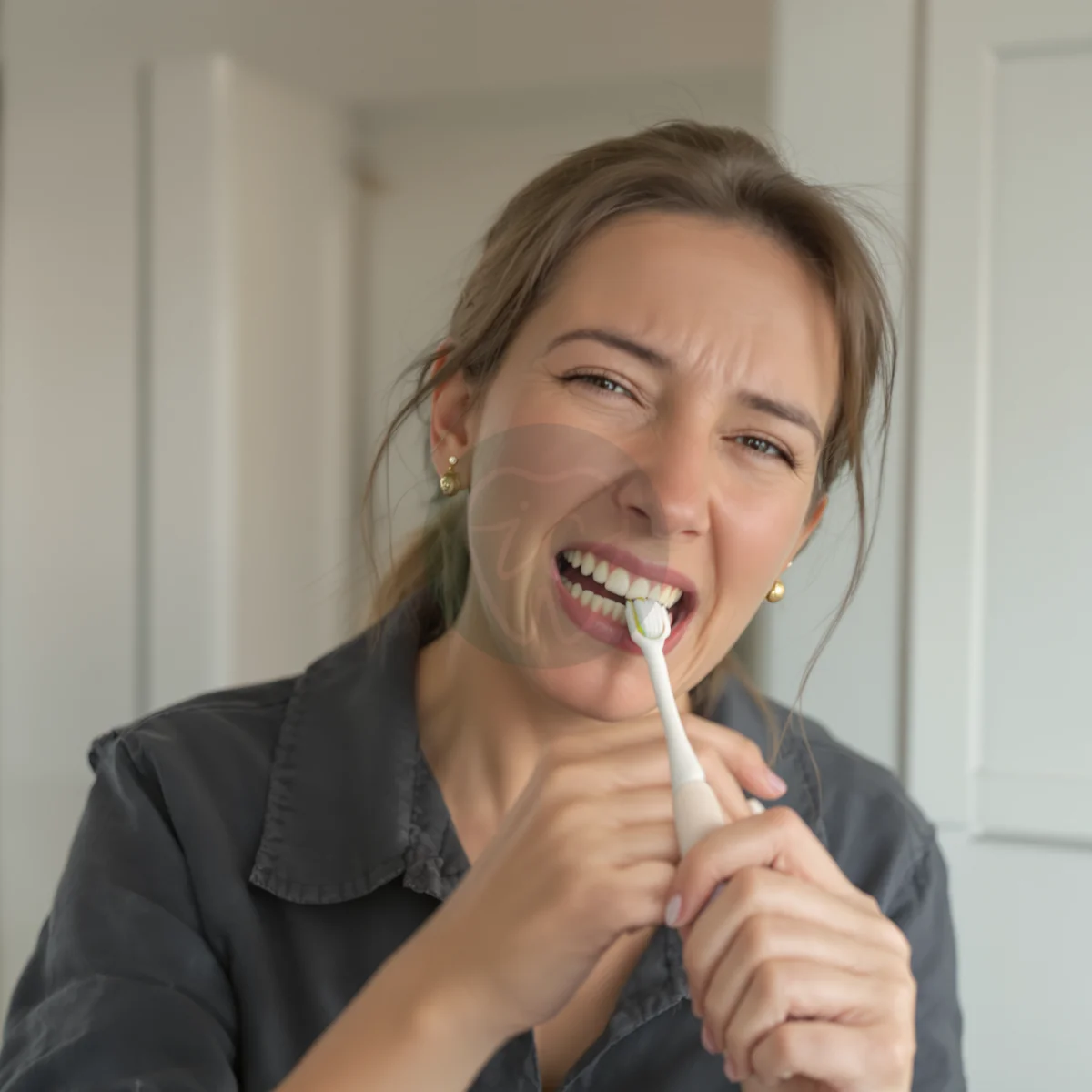
It's rarely one thing. Most people with sensitive teeth have a combination of factors at play - and the root cause determines whether relief takes a week or six months.
Gum Recession: The Quiet Culprit
When gums pull back, the tooth root gets exposed. That layer isn't protected by enamel. It's porous. Hot, cold, or air hits the root directly, and what you feel is a sharp jolt - not a dull ache. Younger adults aren't safe either. aggressive brushing or untreated gum disease can trigger it in your 30s.
Enamel Erosion
Enamel doesn't grow back. Once it's gone, that inner layer - dentin - takes the heat. Literally. Common culprits:
- Acidic foods and drinks. Soda, citrus juice, wine. A steady habit of sipping cola throughout the day drops pH in your mouth below the enamel-threshold for hours at a time.
- Brushing too hard. Some people scrub their teeth "like a bathtub." Hard bristles + side-to-side sawing strips enamel faster than any acid.
- Acid reflux or vomiting. Stomach acid is far stronger than anything in food. Frequent exposure wears down the back surfaces of teeth.
Cracked Teeth or Leaky Fillings
A hairline fracture exposes dentin. So does a filling that's pulled away from the tooth wall by a fraction of a millimeter. Cold seeps in. Pressure changes. The pain might show up only when you bite down or drink something cold - which is exactly the indicator dentists look for during exams.
Teeth Grinding (Bruxism)
Grinding doesn't remove enamel evenly. It creates microscopic fractures. Over months, those fractures deepen and expose the sensitive layer underneath. Many don't realize it until their partner mentions the noise, or their dentist spots the wear pattern.
Another common cause: people who clench during the day while focusing on work.
How to Tell Everyday Sensitivity from a Dental Emergency

Everyday sensitivity usually hits fast and fades just as fast. You sip iced tea - a sharp jolt, gone in seconds. Hot coffee? Same story. The pain comes from exposed dentin, the layer beneath enamel, and it doesn't linger. That's the key difference: duration.
A dental emergency behaves differently. The pain sticks around. It throbs. It wakes you up at night. You might notice swelling near the gumline or a pimple-like bump on the gum itself. Biting down hurts. Fever and a bad taste in your mouth? That's a red flag for infection - root canal territory, not a toothpaste fix.
Do the 30-second test
After a hot or cold trigger, time how long the ache lasts. Less than five seconds? Almost certainly everyday sensitive teeth. More than 30 seconds - or if the pain starts without any trigger - you're dealing with something deeper. Maybe a cracked tooth, an abscess, or advanced decay. Don't wait on that one.
A quick cold-spray test told the story in under a minute. The moral: if the pain is sharp and brief, try a desensitizing toothpaste for two weeks. If it's dull, constant, or waking you up, skip the home remedies. Call a dentist.
One more thing: bleeding gums with sensitive teeth? That's not normal sensitivity - that's gum disease. And pain in a single tooth that lasts hours after eating sweets suggests a cavity that's reached the nerve. Get it looked at before a filling turns into a root canal.
At-Home Remedies for Sensitive Teeth
Before you book a dental visit, a few changes in your daily routine can dial down the sting. These at-home remedies work best for mild, occasional sensitive teeth - the kind that hits when you sip iced tea or bite into a popsicle. If the pain lasts hours or keeps you up at night, skip the home fixes and see a dentist.
Switch Your Toothpaste
Desensitizing toothpastes block the tiny tunnels in your dentin that connect to nerve endings. Brands with potassium nitrate or stannous fluoride are the ones that most often bring relief. Stick with it for at least two weeks - it's not instant.
Rethink Your Brushing Habits
A hard-bristle brush scrapes away enamel over time. Swap to a soft or extra-soft brush. Also watch your angle: scrubbing back-and-forth like you're sanding a table exposes the softer dentin underneath. Small circles, light pressure - that's the move.
- Fluoride gel or rinse: Over-the-counter fluoride mouthwashes can strengthen enamel. Swish once daily, ideally before bed.
- Avoid acid bombs: Soda, citrus, wine - they soften enamel temporarily. Don't brush right after. wait 30 minutes. Rinse with water instead.
- Salt water rinse: A half-teaspoon in warm water, swished for 30 seconds, reduces inflammation. It's not a cure, but it helps after a particularly painful meal.
Little swaps like that matter. Also, if you grind your teeth at night, a drugstore mouthguard can prevent the enamel from wearing down further.
None of these remedies regrow lost enamel. They buy time and manage the ache. If the relief doesn't stick after a month, you're looking at something deeper - and that's when in-office treatments come in. But for everyday sharp twinges, these steps are worth trying first.
Professional Treatments for Sensitive Teeth
When at-home pastes and rinses aren't cutting it, your dentist has a few real tools. These aren't gimmicks - they've been tested in clinic and show consistent results.
In-office fluoride varnish is the first line. It's a high-concentration coating applied with a tiny brush. The whole thing takes under five minutes. Patients often feel less sensitivity for four to six weeks after a single application.
Dental bonding works well when the root is exposed. The dentist paints on a tooth-colored resin and hardens it with a curing light. It seals the dentin tubules mechanically. Bonding can last two to three years with normal brushing and flossing. The cost runs around $300-$600 per tooth depending on the area.
Desensitizing gels or laser therapy target the nerve endings. A laser can "zap" the dentin surface to seal tubules instantly. No drilling, no numbness.
Gum graft surgery addresses the root cause when recession is severe. The surgeon takes a thin strip of tissue from the roof of your mouth and stitches it over the exposed root. Recovery takes about one week. the tooth is then protected from cold air and touch. It's not for everyone, but it fixes the anatomy.
For extreme cases where pain is constant and other treatments fail, root canal therapy removes the nerve entirely. That's a last resort. Few patients with sensitive teeth ever reach this point.
Every treatment starts with a proper exam. Your dentist will check if the problem is enamel wear, gum recession, or a cracked filling. The common causes of tooth pain overlap, so guessing at home wastes time. A professional application of fluoride or bonding can give relief in one visit.
How to Prevent Sensitive Teeth
Prevention isn't complicated, but it does take consistency. Most people with sensitive teeth are making one or two small mistakes in their daily routine that make everything worse. Fix those, and you stop the problem before it starts.
Watch your brushing technique. Scrubbing your teeth like you're trying to remove a stain from a countertop wears away enamel. Use a soft-bristled brush. Keep a gentle hand. Circular motions, not back-and-forth sawing. Honestly, about half the patients I talk to are brushing too hard without realizing it. Switch to an electric toothbrush with a pressure sensor if you can't judge the force yourself.
Wait before you brush after eating. Acidic foods and drinks soften enamel temporarily. Brush right after a soda or orange juice, and you're scrubbing that softened layer right off. Wait at least 30 minutes. Rinse with water first. Let your saliva do its job neutralizing things.
Pick the right toothpaste. Not all toothpaste is the same. If your teeth hurt regularly, use one formulated for sensitive teeth. Look for potassium nitrate or stannous fluoride on the label. The effect builds up over a few weeks. Most people quit after three days and say it doesn't work. Give it time.
Cut down on acid. This is the biggest one. Sodas, sports drinks, citrus juices, wine - they all strip enamel over time. I'm not saying cut them out entirely. Just don't sip them over hours. Drink them fast. Use a straw. Rinse with water afterward. Your teeth will thank you.
Handle grinding and clenching. A lot of people grind at night without realizing it. Wake up with a sore jaw or a headache? That's a sign. A custom mouthguard from your dentist costs more than a drugstore one, but it fits right and absorbs the pressure properly. The cheap boil-and-bite ones can actually make clenching worse for some people.
Keep up with regular cleanings. Plaque buildup causes gum recession, which exposes root surfaces. A standard six-month cleaning keeps that in check. Skip two years of cleanings, and suddenly every sip of cold water hurts.
Small habits, consistent effort. That's really what it comes down to.
Working out the budget? See turkey teeth cost. Fixed-price, all-inclusive packages — no surprise add-ons.