:no_upscale()/media/ic-dental/images/2026/03/2188bd29915a4501983011678565696c.webp)
:no_upscale()/media/ic-dental/images/2026/02/09bb0618847c429b86c8cab20a75b033.webp)


Understanding Dental Implant Pain: What to Expect
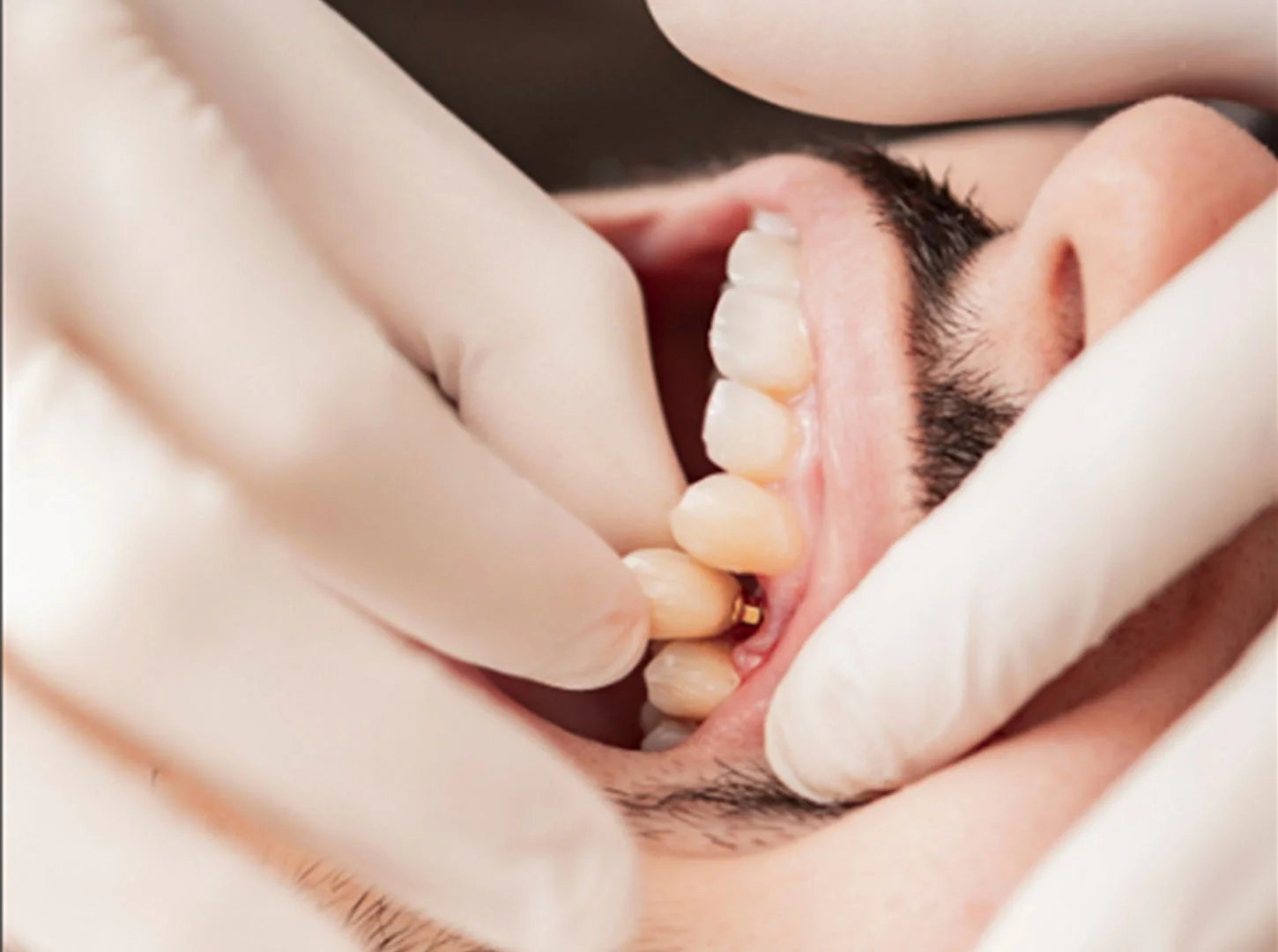
Most patients brace for agony, and the reality? A lot less dramatic. With modern local anaesthesia, the procedure itself is far more comfortable than most people expect. The pinch of the needle? Brief - maybe two seconds. After that, you feel pressure, vibration, but not sharp pain. The real question is what happens hours later, once the anaesthetic wears off.
What the anaesthetic does
Dentists use lidocaine with adrenaline. The adrenaline keeps the numbing agent localised and extends its effect - usually 3 to 5 hours. For anxious patients, sedation (oral or IV) is an option, and you're awake but deeply relaxed. Many people remember nothing of the drilling or screwing. Honestly (the worst bit for most is the sound)not the sensation.
The 6-to-8-hour peak
Once the numbness fades, you'll feel sore. That's normal. For most people, the worst of the pain shows up about six to eight hours after surgery. Then it drops off quickly. By day two, the constant ache usually fades to occasional twinges. Around day four, over-the-counter medication tends to be enough.
What the recovery actually feels like
Swelling starts around 12 hours post-op and peaks at around 48 hours. Ice packs help, and stick to soft foods for a few days. Some people describe a dull (throbbing pressure)not sharp, but persistent. After the first hour, bleeding is minimal. Stitches might feel tight. That goes away within a week.
A 2023 survey of 150 implant patients found 8 out of 10 rated their worst pain below 4 out of 10. That puts it closer to a sprained ankle than a broken bone.
Everyone heals differently. But the pattern is consistent: local anaesthetic makes the procedure tolerable, and the worst is over within 48 hours. Follow your dentist's advice on medication and rest, and you'll be past the hardest part before you know it.
What’s the Most Painful Part of Getting a Dental Implant?
Most people brace for the actual drilling, and and that part isn't fun either. But honestly, the single sharpest moment comes earlier - when the local anaesthetic goes in.
That needle stick into the gum line? It burns. The burn lasts roughly 15 seconds. Not the whole procedure, just that first push of lidocaine. For many people the injection is the most noticeable moment; the rest of the procedure is usually felt as pressure and tugging rather than sharp pain. After that, the anaesthetised area feels like a thick rubber lip. You know it's there. It doesn't hurt.
The second contender for most uncomfortable stage hits later. Not during the surgery itself (but the evening after)when the anaesthetic wears off. That's when dental implant pain actually announces itself, and it's a deep, throbbing ache - not sharp, but persistent. It settles in around six to eight hours post-op and can feel like a really bad toothache concentrated in one spot. For most people, this peaks within the first 48 hours. Discomfort is typically at its most noticeable around the 48-hour mark. Then it drops.
The good news doesn't last long. For a single implant, that peak usually fades within three days. Multiple implants or an added bone graft push that timeline out further. Add another 24 to 48 hours on top of that.
What about the implant placement itself? With good anesthesia, and a dentist who waits long enough for it to fully set, you feel vibration, maybe some pressure against your jaw. Not pain. The drill sounds worse than it feels. The suturing at the end is barely noticeable.
So to pin it down: the injection stings, the 48-hour window aches, and the surgery itself is somewhere between dull and fine. Manage those two phases and you've managed most of what makes dental implant surgery feel hard.
Recovery Timeline: How Long Are Dental Implants Sore?
Let's get one thing straight right away: the first 24 to 48 hours are where the real discomfort sits. Most people describe it as a dull, throbbing ache rather than sharp pain. The bone and gum tissue just went through a minor surgical procedure, so some swelling and tenderness are completely normal.
Day one, honestly, is the worst of it.
You'll probably walk out of the clinic with the area still numb from the local anaesthetic. That numbness fades over the next three to six hours. When it does (you want that first dose of painkiller already in your system)ibuprofen (350-400mg) and paracetamol (500mg-1g) staggered so they overlap. Don't wait for the pain to break through, and that's a rookie mistake.
Come day three, most of the acute soreness has backed off. Swelling peaks about 48 hours after surgery, then starts to subside. If you poke at it or chew on that side, the area stays tender. But sitting still, and you likely won't notice it much. Many patients switch from prescription painkillers to over-the-counter around now. Some stop altogether.
Week one: the turning point
Day five to seven is when things shift noticeably. Stitches (if you have the non-dissolving kind)usually come out around day seven. That alone makes the area feel less angry. Jaw stiffness and mild pain when opening wide can still linger, especially if the implant was placed near the molars. That's just muscle fatigue and local inflammation working themselves out.
TimeframeWhat to expectPain management tips 0-48 hoursThrobbing ache, swelling, tendernessIbuprofen + paracetamol staggered. ice packs 20 mins on/20 off 3-5 daysPain drops sharply. swelling peaks then recedesSwitch to OTC meds. soft foods only (mash, yoghurt, soup) 7 daysMild soreness on pressure. jaw stiffness lingersWarm salt rinses 3x daily. start gentle chewing on opposite side 10-14 daysMost tenderness gone. site feels "different" but not painfulNormal diet resumed. avoid hard/crunchy around implant areaBy the two-week point, the implant site feels foreign more than painful. Most patients describe it as a small bump they notice but doesn't hurt. The gum tissue has sealed over or around the implant abutment, and the bone underneath is quietly integrating with the titanium surface. That process-osseointegration-takes months, not weeks. But the soreness part? That's largely over by day 10 or 14.
The people who tend to struggle most are those who try to rush their recovery. They poke at the site with their tongue constantly, or they attempt a steak on day four. Don't be that person, and stick to the soft-food list your surgeon gave you.
Does Placing the Crown on the Abutment Hurt?
For most people, the answer is a clear no. Placing the crown-the visible tooth-colored part-onto the abutment is the easiest stage of the whole implant process. Unlike the surgery (there's no cutting)no stitching-and no bone drilling. The discomfort ranges from zero to mild pressure, and even that lasts just a few minutes.
Here's what actually happens during that appointment. Your dentist removes the temporary crown or healing cap, cleans the abutment (the connector piece fixed in the implant), then cements or screws the permanent crown in place. The whole thing takes about 10-20 minutes. You'll feel a bit of pushing and wiggling as the crown seats into position, but that's it.
Why so little pain? By the crown stage, the implant has already fused with your jawbone (osseointegration). There are no nerve endings in the titanium post itself, so the crown adjustment only touches gum tissue and the tooth above the bone. The abutment connection can cause a brief, dull ache if the implant is very close to a nerve, but this is rare - about 1 in 50 cases according to a 2020 study in the Journal of Oral Rehabilitation . Even then, a tiny dose of local anaesthetic handles it immediately.
A few practical notes:
- No anaesthesia needed? Most dentists skip it at crown delivery. If your gums are sensitive or the abutment is deep, they may apply a topical gel first. Ask before they start.
- What about the impressions? Moulding for the crown (if done digitally with a scanner) involves zero pain. Traditional putty impressions can trigger a gag reflex but still no real discomfort.
Can Your Body Reject a Dental Implant?
A lot of patients ask me this one, usually while they're still numbed up in the chair. They've heard horror stories about the body "rejecting" metal and want to know if that's what causes the dental implant pain they're dreading. Let's clear that up.
True rejection (your immune system attacking the implant like a transplanted organ)almost never happens with a dental implant. Titanium is biocompatible, and your body doesn't see it as a foreign invader. What people actually mean by "rejection" is just a failure of osseointegration: the implant doesn't fuse properly to the jawbone. Rates sit around 2-5% in healthy patients, climbing a bit for smokers or those with uncontrolled diabetes.
Here's where it ties back to the main topic: failed osseointegration can cause dental implant pain, but the timing varies. During surgery, the pain you feel? That's controlled by local anaesthetic. A few days after, that ache? Normal healing. Real rejection-type failure shows up weeks or months later, a dull, persistent ache when you chew, maybe some gum swelling or a wobbly feel. It's not the same as the acute post-op soreness. Most patients who worry about rejection are mistaking normal healing discomfort for something more serious.
An implant that truly fails usually needs removal, and the vast majority are replaced successfully a few months later. For anyone anxious about implant pain, the failure rate is low, and when it does happen, the pain is a warning sign, not a surprise attack.
Wondering what it costs? See our guide to turkey teeth cost: prices by treatment, what the package includes and how to compare quotes.