:no_upscale()/media/ic-dental/images/2026/03/2188bd29915a4501983011678565696c.webp)
:no_upscale()/media/ic-dental/images/2026/10/professional-guide-to-whitening-teeth-at-home-1600.webp)


Understanding Why Teeth Lose Whiteness
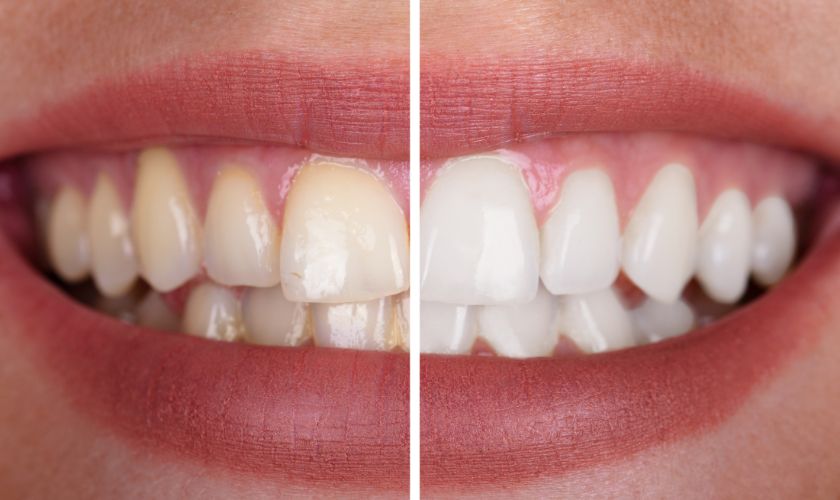
Your teeth aren't naturally pure white, and that's a myth Hollywood sold us. Enamel, the outer layer, is actually translucent, not marble-white. What you see is the yellowish dentin underneath peeking through. So a healthy tooth is slightly off-white by default. Makes sense when you think about it. Patients often ask us about types of smiles at this stage.
But then why do some people's teeth look darker than others? Two main culprits: what you put in your mouth, and what your body does over time.
Extrinsic stains start on the outermost layer of enamel. Coffee, tea, red wine, curry, tobacco-all of them deposit pigment molecules onto the enamel. Her dentist spotted the staining pattern after just two years. It builds up slowly, invisibly, until one day you catch your smile in bright light and notice the shift. This overlaps with what we cover in how to whiten teeth safely.
Then there's intrinsic discoloration, and that starts from the inside of the tooth. Aging is the biggest factor-enamel thins roughly every ten years, letting more dentin show through. Trauma can do it too (a childhood fall that killed the nerve)leaving one gray tooth in an otherwise white smile. Certain meds like tetracycline, taken during childhood tooth formation, bind to dentin for good. Fluorosis from too much fluoride during development leaves chalky white or brown spots. If you're weighing this up, our guide to Crest whitening strips covers what to check first.
I've had patients ask why their teeth looked fine at 25 but yellowed by 40. The answer? It's both things piling up, surface stains layering over a naturally thinning enamel shield. Understanding whitening teeth at home starts with this reality: you're not making them whiten teeth to an unnatural white. You're removing the gunk that's covering your natural shade.
5 Natural Home Remedies That Actually Work
Most of those "natural" whitening hacks floating around social media, and they do next to nothing for your teeth. A handful, though, actually have real science behind them, and they won't strip your enamel. So here are five home remedies that actually move the needle, backed by clinical data and safe enough for daily use.
1. Baking Soda Paste
Baking soda, sodium bicarbonate, if you want the scientific name, sits at around a 7 on the RDA scale. That's a mild abrasive, far below the 200+ you'll find in some whitening toothpastes. A 2017 study in the Journal of the American Dental Association found that after three weeks, baking soda-based products removed plaque and surface stains significantly better than the non-baking soda controls. How to use it: Mix a teaspoon of baking soda with just enough water to form a paste. Brush for two minutes, and don't do it more than twice a week. Overdoing it? That'll wear down your enamel. Cost? Pennies per treatment.
2. Coconut Oil Pulling
Oil pulling won't bleach your teeth, but a 2022 systematic review found it reduces plaque and gingivitis, and by stripping away the biofilm that holds stains, it can make teeth look brighter indirectly. Swish one tablespoon of coconut oil for 10-15 minutes each day, then spit it into the trash, not the sink, since it'll clog pipes. I've had patients report visible lightening after four to six weeks. The evidence is modest, but the side-effect profile is excellent.
3. Strawberry + Baking Soda Scrub
Strawberries contain malic acid, an enamel-safe natural acid that dissolves surface discoloration. A small 2015 trial compared a strawberry-baking soda mash against commercial whitening strips. The mash knocked off about 2 shades on the Vita guide over three weeks, about as much as 6% peroxide strips, just slower. Crush one strawberry with half a teaspoon of baking soda, apply it to your teeth for five minutes, and rinse well. Use it no more than once a week to keep acid erosion in check.
4. Diluted Hydrogen Peroxide Rinse
Hydrogen peroxide acts as the active bleaching agent in most professional and over-the-counter whiteners. For most people, a 1.5% concentration is safe for home use. How to use: Combine equal parts 3% hydrogen peroxide and water, swish for a minute, then rinse with plain water. A 2020 study found a 2-3 shade improvement over four weeks and no enamel damage. Avoid swallowing, and if your gums feel irritated, stop.
5. Pineapple (Bromelain) Treatment
Bromelain-an enzyme in pineapple-breaks down the protein pellicle that stains cling to. A 2018 study in Journal of Oral Health and Dental Management found a bromelain gel matched 10% carbamide peroxide on stain removal-without the sensitivity. Have a few slices of fresh pineapple after meals-skip the canned stuff-or try dental-grade bromelain tablets. It's more a maintenance trick than a quick whitener.
None of these will get you a Hollywood smile in a week. If you want to brighten your teeth at home safely-without dropping money on strips or trays-these five are worth trying. Pick one, try it for a month, and see what happens.
How Fast Can You Whiten Teeth at Home?
How fast it works depends on the method and your starting point. Mild stains from coffee or tea? You'll see results faster than someone with years of tobacco or tetracycline buildup. So here are the common at-home options.
Whitening Strips - The Quickest Bet
Most over-the-counter strips-Crest 3D White, for instance-say you'll see a difference in about 7 days. But you've got to stick with the routine, and skip days and the timeline stretches.
Custom Trays - Faster If You Go Stronger
Gels you squeeze into custom trays can work a bit faster than strips. The peroxide concentration is higher-think 10-20% carbamide peroxide versus 6-10% in strips. Some people notice a shift in just one week. The downside is more sensitivity, especially if you leave the gel on too long. Most dentists recommend one hour a day for ten days.
Whitening Toothpastes - The Slow Lane
These barely qualify as whiteners, and they use mild abrasives, silica, charcoal, to buff surface stains. You won't get more than half a shade lighter. It takes about 3-4 weeks of brushing twice a day. It's good for maintaining results, not for a dramatic change.
Natural Methods - Patience Required
Baking soda mixes (oil pulling with coconut oil)and strawberry purees are the slowest of the group. The focus is stain removal, not bleaching. After a month of regular use, maybe your teeth look a touch brighter. If you expect noticeable whitening within a week, these won't cut it. They won't deliver.
Whitening strips or custom trays are the fastest safe at-home option, with visible results in 7 to 14 days. Anything faster than that usually means stronger peroxide, and a higher risk of gum irritation. Don't chase speed at the cost of enamel health.
The Real Difference Between DIY and Professional Whitening
Most people assume the drugstore strips are the same thing dentists use. Lower concentration, yes, but same active ingredient. True-hydrogen peroxide or carbamide peroxide is what you're usually dealing with. But it's not just the peroxide concentration that separates them.
I've had patients drop $ 40 on a two - week kit expecting six shades of improvement, and so wonder why they only got two. Most people don't recognise how wide the gap is between whitening teeth at home with store - bought kits and getting it done in a clinic.
Here's what actually changes.
Cost vs. concentration
DIY kits run from $20 to $60. A single professional in-office session - like Zoom or KöR - averages $400-$800, sometimes more. Ten times the price. The gel in a dentist's tray runs at 35% hydrogen peroxide or higher-over‑the‑counter strips top out around 10-14%. With a higher concentration, you get faster results and deeper whitening. In the US, the strong gel requires a prescription.
Time to results
A strip kit means wearing them 30 minutes a day for two to four weeks. Change is gradual, and after a week, you might notice a slight lift. In‑office professional bleaching takes about 90 minutes. After one session, you walk out three to five shades lighter. Touch‑up take‑home trays cut that to a few nights. So if you need fast improvement before an event, the professional route wins outright.
Safety and sensitivity
DIY strips are one‑size‑fits‑all, and they don't mold to your teeth. Excess gel can leak onto gums, causing chemical burns or irritation. Professionals take an impression to make custom trays that seal the gel exactly where it should be. The dentist also checks for cavities or gum issues first, whitening over a cracked tooth or receding gum line can hurt badly. About 1 in 3 people report sensitivity with at‑home kits. With professional supervision, that number drops because the gel is applied precisely and the dentist can use desensitizing agents.
What lasts longer
Expert Tips to Maintain Your Results
What really determines your results from any at-home treatment is what you do after the last strip comes off. The first 48 hours are the most vulnerable. Your enamel pores stay open, making teeth more prone to staining.
What to Avoid Right After
Dark liquids - coffee, red wine, tea, cola. If you must, use a straw.
Acidic or deeply pigmented foods - tomato sauce (berries)curry, soy sauce.
Tobacco of any kind - nicotine and tar can reverse whitening quickly.
Stick to the 'white diet' for those two days: plain chicken, rice, white fish, cauliflower, bananas. It's a bit tedious, but that step locks in the shade.
Ongoing Maintenance
The whitened shade holds for 6 to 12 months on average. A touch-up kit, one session every 30 to 45 days, keeps that fresh look. I tell patients to watch for tarnished edges on the incisors. That's the first sign you need a boost, and standard toothpaste won't cut it. Pick one with a mild abrasive (silica-based) and an RDA under 100. Skip charcoal or lemon-based DIY pastes, they erode enamel and actually make teeth look yellower over time.
Brush twice a day, floss once, and rinse after meals so stains can't stick as easily. That's the real trick to making whitening tooth at home results last beyond the first week. Steer clear of the usual stain culprits-coffee, wine, tobacco-and your yearly upkeep cost drops to almost nothing.
Want the full picture? See our dental treatment in Turkey: techniques, medical team, packages and results, all in one place.