:no_upscale()/media/ic-dental/images/2026/03/2188bd29915a4501983011678565696c.webp)
:no_upscale()/media/ic-dental/images/2026/10/crest-teeth-whitening-1600.webp)


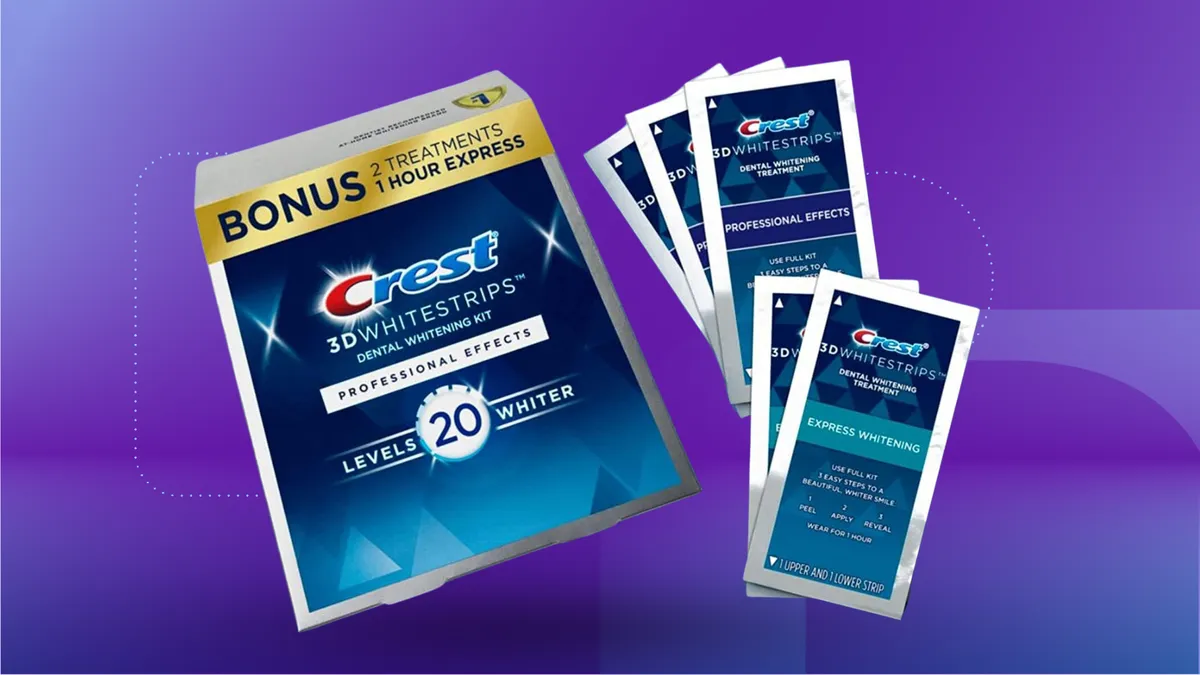
Does Crest Teeth Whitening Really Work? A Professional Look at the Evidence
Honestly? Yes (Crest Whitening Strips do work)but there are boundaries.
Across the Crest Whitestrips range, the active ingredient runs 6% to 14% hydrogen peroxide, depending on the product. Same agent dentists use in-office. Just a lower dose over a longer stretch. Studies in the Journal of the American Dental Association found that 6% strips can shift teeth 2 to 4 shades on the Vita scale, after 14 days of 30-minute daily wear. That's a real, measurable shift. Measurable and real.
But whether it works depends on what you're fixing.
Which Crest Teeth Whitening Product Works Best? A Side-by-Side Comparison
You've got a dozen Crest whitening SKUs staring back from the shelf. Which one actually takes your teeth from coffee-stained to 'did you get veneers?'? I've walked patients through this decision, they want results without sacrificing gum health. Let's line up the three contenders, without the marketing fluff.
ProductActive ingredient / strengthWear timeTreatment courseTypical shade jumpBest for… 3D White Whitestrips (Classic)6% hydrogen peroxide30 min14 days2-4 shadesFirst-time users, sensitive teeth Whitestrips 3D White Luxe10% hydrogen peroxide30 min20 days4-6 shadesVisible staining from coffee/tea/smoking Whitestrips Professional Effects14% hydrogen peroxide60 min20 days5-7 shadesStubborn yellowing, last-mile whitening Whitestrips Gentle Routine5% hydrogen peroxide5-10 min14 days1-2 shadesMaintenance, ultra-sensitive gums
What most people miss: crest teeth whitening strips work, but only if you pick the right one for your stain level and your tolerance. The 6% Classic formula is a decent start if you're not in a hurry. But in my view, it's too weak if you drink more than a cup of coffee a day. After a full two-week course, you might see a 2-shade lift. Fine. Not impressive. Patients often ask us about evidence-based teeth whitening at this stage.
Where Professional Effects pulls ahead
Professional Effects uses 14% peroxide for a full hour, and that's a serious dose. In my experience, patients who stick with it for 20 days consistently see a 6-shade jump. Here's the catch: you can't slack on the timing. Miss a day or cut the wear time short, and the results stall. Sensitivity pops up around day 7 for about one in three users. If gums start to react, I tell patients to scale back to every other day. The 3D White Luxe falls in the middle, 10% peroxide for 30 minutes over 20 days. It's a good midway option, 4 to 6 shades in 30 minutes, no hour-long sessions.
Then there's Gentle Routine, it hardly qualifies as whitening. Five minutes a day might give you a shade at most. It's a touch-up tool, not a transformation. Skip it unless your teeth are already fairly white and you only need to tackle surface stains.
Ten days later, she texted me a photo. The difference was plain: her canines had shifted from a dingy yellow to a light cream. She stuck it out the full 20 days and came out five shades lighter. That's real-world evidence, and and the price difference? About $30 between Classic and Professional Effects. Worth it if you want results that actually show up in photos.
Bottom line: match the peroxide strength to how deep your stains are. For everyday discoloration, Luxe is the more practical choice. For deep staining that's been building for years, Professional Effects is worth the investment. Either way (crest teeth whitening works)but you have to use it every single day. We go deeper on this in our guide to at-home whitening.
How to Use Crest Whitening Strips for Optimal Results
Most people don't realize how much timing affects results. Slapping a strip on dry teeth (setting a timer)and hoping for the best, that's the fast track to uneven results. I've had patients who followed the box instructions to the letter and still ended up with patchy color. The difference usually comes down to preparation and patience.
Start with dry enamel, and brush first, then wait at least 30 minutes. Fluoride residue and fresh toothpaste foam block the peroxide from penetrating. Your teeth need to be bone-dry, pat them with a tissue or let them air-dry for a minute. A wet surface dilutes the gel and shifts the strip around.
Line the strip with your gumline, not below it, and too high and you're bleaching gum tissue, that burns. Too low and you miss the part people actually see. Take the strip between your thumbs and index fingers (center it on your front teeth)then press it against the chewing edge. Fold the excess behind your teeth, don't let it bunch up on the front.
Don't talk. Don't drink. Don't smile. Keep your lips parted slightly and your jaw relaxed for the full 30 minutes, or however long your specific product says. Saliva works against you, it washes the gel off the enamel and into your throat. If you produce a lot of saliva, tilt your head forward and let it drain into a napkin. I know it sounds gross. But it works. If you're weighing this up, our guide to silver tooth caps covers what to check first.
Removal is straightforward: peel from one corner, slow and steady. Don't yank. Any leftover gel can be wiped off with a dry cloth or brushed away gently. Rinsing right after would wash away the active ingredients still on the enamel, so wait at least 30 minutes before you rinse or eat.
StepWhat to doCommon mistake PrepBrush, wait 30 min, dry teethApplying right after brushing ApplicationCenter on front teeth, fold behindPressing too low on gums Wear timeKeep mouth still for full durationRemoving early because of saliva AftercareWait 30 min before rinsing or eatingRinsing immediately
Consistency beats intensity every time. Two 30-minute sessions a day for 10-14 days will do more for your crest teeth whitening results than one marathon session. Your enamel needs recovery time between applications - pushing it too hard causes sensitivity that sidelines you for weeks.
One more thing: skip the coffee and red wine during the treatment window. Your teeth are porous while the peroxide works, and staining agents latch on fast. Drink through a straw and rinse with water after if you absolutely need caffeine.
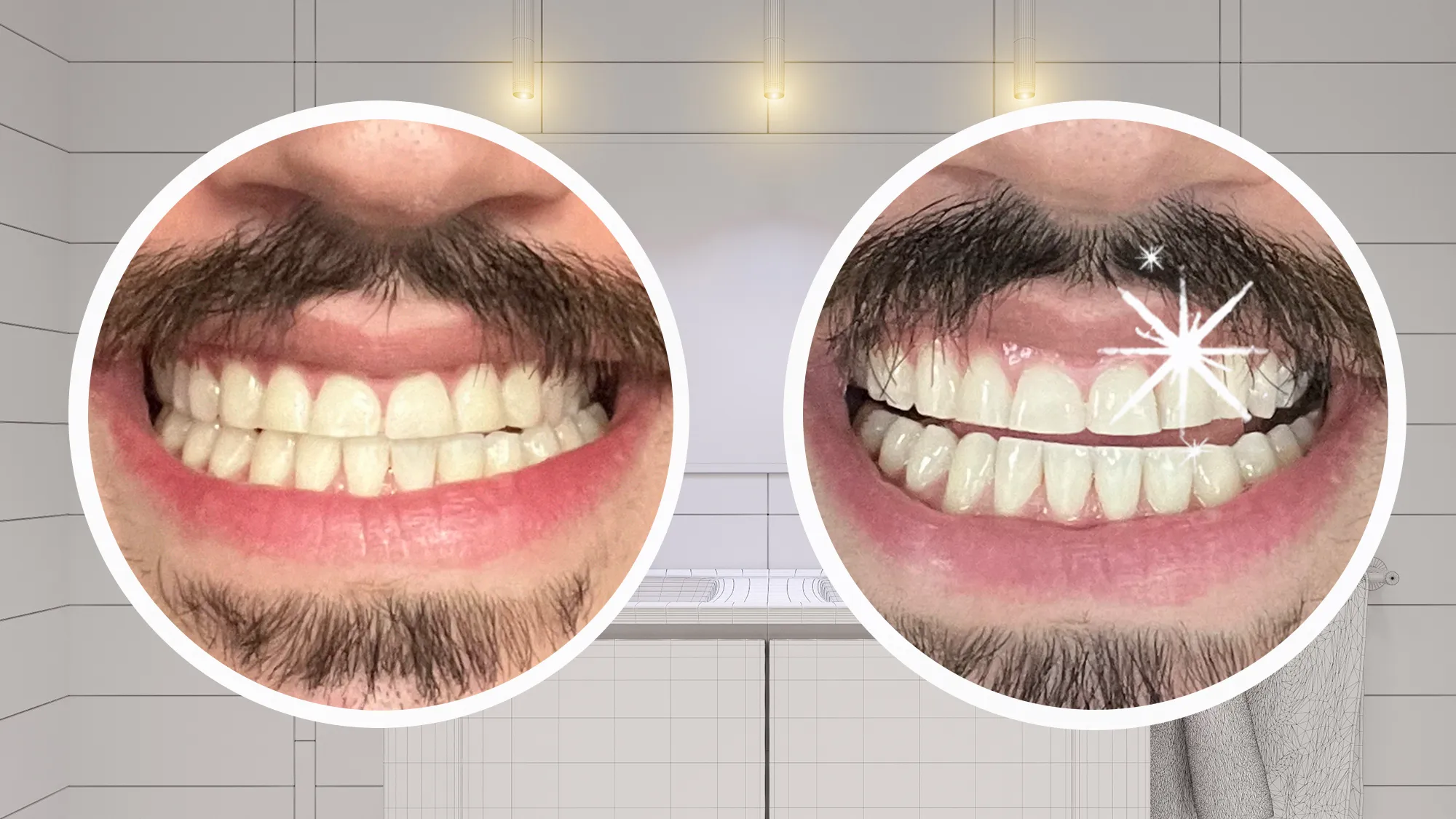
Can Yellow Teeth Turn White Again? Realistic Expectations
The straightforward answer is yes, and most yellow teeth can absolutely look whiter. There is a catch. How white you get depends on why your tooth are yellow.
Surface stains from coffee, tea, or tobacco, and those lift reliably with Crest Whitestrips, often within 10-14 days. Clinical testing on the Professional Effects line shows about 8-10 shades of improvement.
That's a solid jump.
When the yellow runs deeper, from childhood antibiotics or naturally thin enamel, the results plateau around 4-6 shades. You won't hit a blinding white. More of a healthy, natural brightness.
After the first week, she was frustrated, and expected movie-star results. By day 18, she'd gone from a dull yellow to a light cream. Happy enough. Crest teeth whitening is effective, but it's not magic. It works on the outer layer. Deeper intrinsic stains call for a dentist's tray or veneers.
Realistic expectation? Most people notice a 3 to 7 shade difference on their whitening guide. That's noticeable. Enough to feel good about smiling. But if your goal is "paper white," you'll be disappointed unless you go for cosmetic bonding. Crest strips bleach the enamel, not replace it.
And here's a nuance most guides skip: your natural tooth color isn't pure white. Slightly yellow-beige, that's the shade, and bleaching strips the stain layers, not the dentin underneath. So even after treatment, teeth keep a warm undertone. That's normal. And it looks healthier than a flat, chalky white.
Yes (yellow can turn white again)within reason. Use Crest professional strips for surface stains, finish the full treatment course, and you'll come out several shades lighter. Don't expect a Hollywood smile from a drugstore box.
What Is the Best Teeth Whitening for Seniors? Special Considerations
Whitening for seniors isn't the same as it is for younger adults. Enamel naturally thins with age, so the yellower dentin underneath starts showing through. Receding gums expose root surfaces that don't respond well to peroxide. Dental work like crowns (bridges)and fillings doesn't bleach. Put a strip over a crown and that tooth stays darker while the natural ones brighten. Not a good look.
What to look for in a Crest product
For older adults, the Crest formula matters more than for anyone else. Standard 10% hydrogen peroxide strips, like Crest 3D White Professional Effects, are effective, but they can cause sharp pain if your gums have receded more than a millimeter or two. I'd suggest seniors try the Crest Whitestrips Gentle Routine. It uses a lower peroxide concentration, around 6%, and includes potassium nitrate to block nerve sensitivity. It takes about fourteen days instead of seven-but you actually finish the course, unlike quitting after three or four stinging applications.
Pre-whitening checklist for older teeth
First, make sure cavities are filled. With untreated decay, peroxide seeps in and can cause serious pulpal pain.
Gum recession deeper than 2-3 mm? Consider cutting your strips in half and applying them only to the crown portion, not down over the root.
For existing crowns or veneers, test one tooth on the back side first with crest whitestrips. If the match becomes obvious after three days, stop. The crown won't lighten.
The type of stain matters. Yellow-brown stains from coffee, tea, or decades of tobacco respond well. Gray or blue-gray stains from tetracycline or aging dentin need in-office treatment.
A 2022 survey of patients over 65 found that roughly 40% stopped using over-the-counter whitening because of sensitivity. That number dropped to 12% when they switched to a lower-concentration strip with a desensitizing agent. So pick the Crest product that works with the enamel you still have.
Want the full picture? See our turkey teeth: techniques, medical team, packages and results, all in one place.
Working out the budget? See turkey teeth cost. Fixed-price, all-inclusive packages — no surprise add-ons.